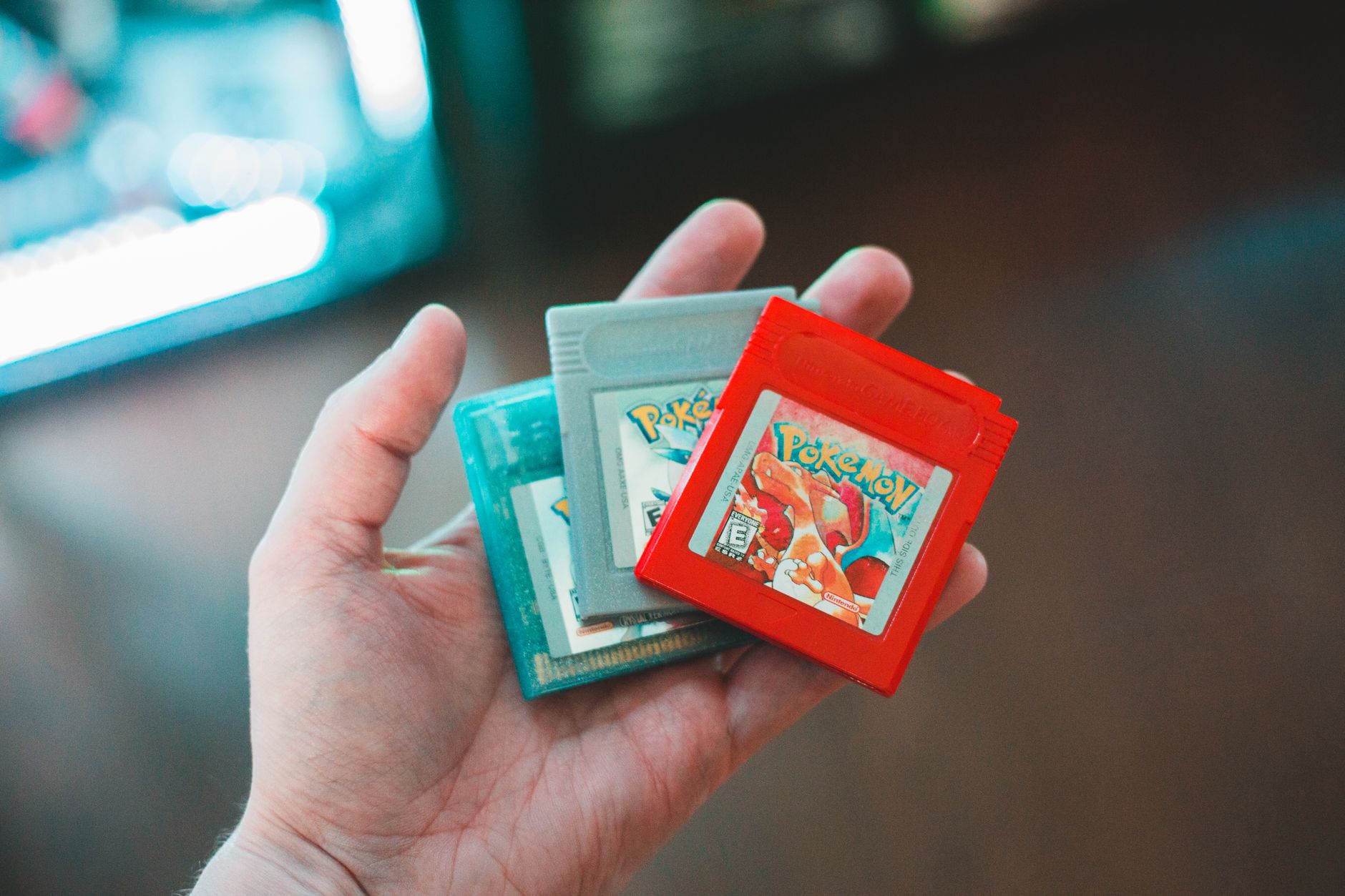

The State of Retro Game Collecting: Current Market Dynamics and Bubble Checks
Retro game collecting has shifted dramatically from casual flea market finds into a volatile speculative arena. Over the past few years, artificial scarcity and speculative grading inflated price tags across staple 8-bit and 16-bit releases, creating an unsustainable bubble. However, the secondary market is currently undergoing a healthy correction. Enthusiasts are growing weary of paying exorbitant sums for common cartridges, shifting their attention toward authentic gameplay experiences and sustainable hardware preservation rather than sealed trophies in acrylic cases.
This market cooling does not mean classic gaming has lost its cultural footprint. Instead, collectors are becoming far more discerning with their disposable income. When authentic cartridges reach absurd valuations, hobbyists turn toward practical hardware solutions. Modern enthusiasts actively weigh original cartridges against pristine alternatives like an EverDrive flash cart from Krikzz or cycle-accurate FPGA hardware platforms like the MiSTer and Analogue Pocket. These devices deliver authentic circuit-level behavior and low latency without subjecting buyers to artificial auction markups, establishing a realistic ceiling on what common software ought to command.
Understanding these market dynamics protects you from purchasing at historical peaks. Hardware preservation has taken center stage over shelf accumulation. Players now value consoles paired with genuine 240p output on CRT monitors or through dedicated upscalers like the RetroTink over hoard collections of untouched plastic. Recognizing this shift allows collectors to identify true historical artifacts versus overhyped titles undergoing speculative churn.
How to Determine Real Market Values Without Overpaying
Determining the true market value of a vintage title requires looking past ambitious online asking prices and focusing strictly on verifiable completed sales. Sellers frequently list standard cartridges at speculative sums, hoping an uninformed buyer will mistake an arbitrary asking figure for genuine valuation. To avoid overpaying, cross-reference historical transaction data across completed listings, monitoring condition variances between loose carts, manual inclusions, and complete-in-box specimens. Consistency across multiple closed sales reveals what informed hobbyists actually pay.
Condition and internal hardware health play a massive role in justifying an asking price. A cartridge displaying sun fading, corroded pins, or damaged label art should never command median market rates. Furthermore, consider the underlying hardware utility: if a classic title uses internal battery saves that risk leaking, or if a disc-based release requires rare console BIOS dumps to run properly on optical drive emulators, these maintenance hurdles must factor into your final offer. Genuine value aligns with physical integrity and operational longevity rather than inflated merchant tags.
Before spending premium capital on rare software, assess whether the acquisition serves your preservation goals or merely feeds artificial hype. If the primary objective is experiencing the title on original hardware with native 240p scanlines and zero input lag, flash carts and field-programmable devices offer exact parity at a fraction of the cost. Treat high-end purchases as historical acquisitions that demand strict verification, authentic board inspections, and realistic price-to-utility checks.
Where to Buy: Reliable Sourcing Channels Beyond Overpriced Online Listings
Finding authentic retro gaming gear without absorbing predatory price markups requires exploring alternative sourcing avenues outside major online storefronts. Local retro video game expos, community swap meets, and independent repair workshops often present the best opportunities for reasonable deals. In these face-to-face environments, sellers are typically hobbyists who appreciate hardware preservation and understand fair market value. You can inspect cartridge boards for counterfeit chips, evaluate console casing conditions, and negotiate bundles directly without platform fees inflating the sticker price.
Dedicated enthusiast forums and local classifieds remain fertile ground for unearthing neglected gems and original hardware bundles. Families clearing out storage spaces frequently list vintage television sets, including high-grade CRT monitors capable of native 240p presentation, along with bundles of loose cartridges for modest prices. In European territories, seeking out consoles with original RGB SCART cables allows you to secure premium analog video output without paying boutique import premiums. Establishing relationships within local repair scenes also alerts you to modded hardware, such as Game Boy units outfitted with modern IPS kits, before they hit commercial listings.
Patience and practical networking remain your greatest assets when building a meaningful setup. Rushing into online auctions guarantees paying top-dollar retail rates inflated by platform commissions. By engaging directly with preservationists, checking community trade boards, and visiting regional flea markets, you acquire genuine classic gaming hardware while ensuring your budget supports functional preservation rather than inflated market speculation.
Authenticity and Condition: Spotting Reproductions and Preserving Cartridge Media
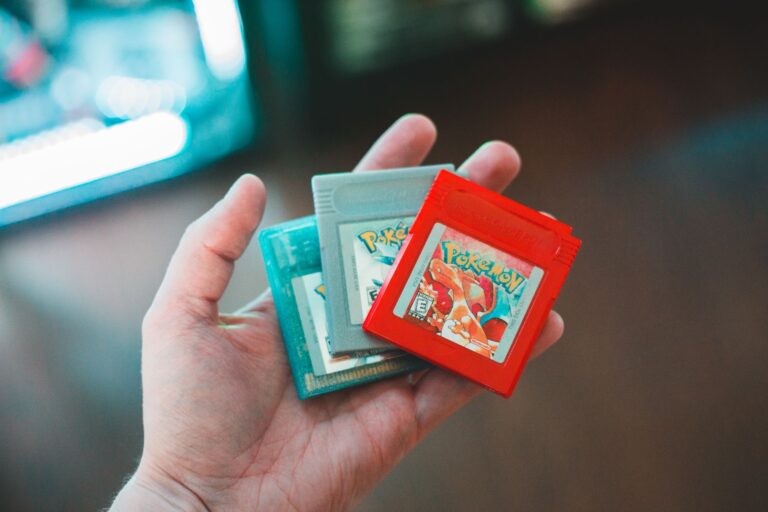
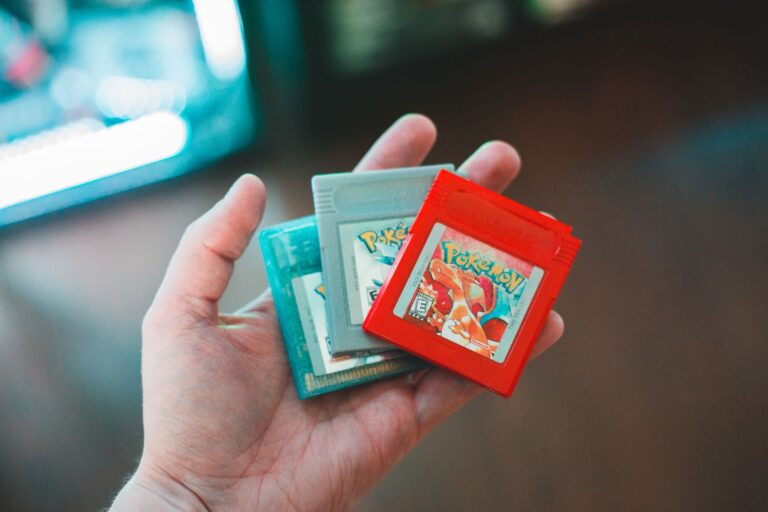
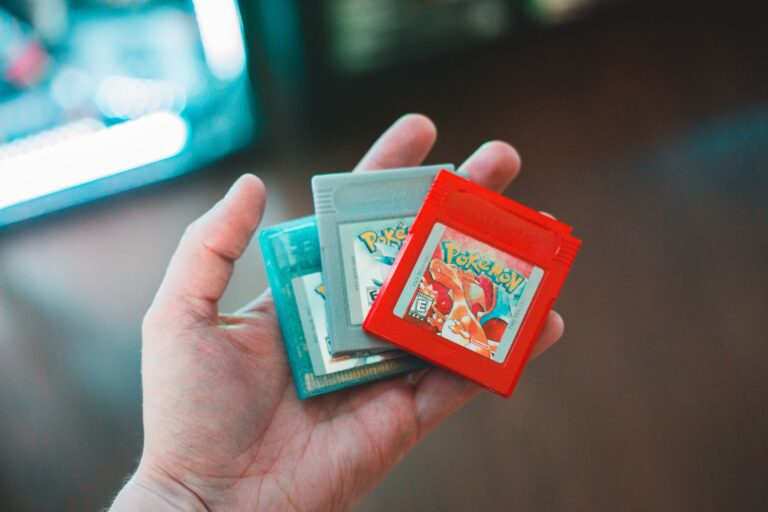
Spotting counterfeit cartridges has become an essential discipline for any serious retro gaming enthusiast. Modern bootlegs have evolved far beyond the crude, mislabeled pirates of the nineties, often sporting glossy reproduction labels and injection-molded shells that look convincing at a glance. Unmasking these impostors requires a standard security bit to open the casing and inspect the printed circuit board directly. Authentic boards from Nintendo, Sega, or their licensed partners feature crisp silkscreen branding, properly seated mask ROM chips, clean factory soldering, and embossed numerical factory stamps pressed into the rear warning label. Counterfeits routinely cut corners, utilizing flimsy green boards littered with messy globs of epoxy, haphazard wiring, and cheap flash chips that can draw improper voltage.
Preserving genuine media demands proactive maintenance rather than passive shelf storage. Internal save batteries, typically CR2016 or CR2032 cells soldered directly to the board, eventually lose charge and can leak corrosive residue across delicate board traces. Learning basic soldering allows you to swap in fresh tabbed batteries safely, securing your in-game saves for another two decades without harming the cartridge. For routine upkeep, clean oxidized gold connector pins using high-purity isopropyl alcohol and a lint-free swab, steering clear of abrasive brass polish that can strip the delicate protective gold plating away. Store loose games upright in dust sleeves away from moisture and ultraviolet light to safeguard both fragile labels and internal silicon from gradual environmental decay.
Disc-based media presents distinct preservation challenges that require equal vigilance. Optical discs from the original PlayStation, Saturn, or Sega CD eras are susceptible to disc rot, surface pinholes, and spindle hub hairline fractures. Always verify optical health by holding discs up to a bright light source to inspect the reflective data layer for light bleed or pinhole degradation. Storing discs in jewel cases with functioning center hubs prevents mechanical stress on the inner ring. By treating physical media as vulnerable historical hardware rather than indestructible plastic, you maintain both operational reliability and tangible market value over decades of play.
Hardware Dilemmas: Collecting Original Carts Versus Modern Flash Carts and Upscalers
Balancing original cartridge accumulation with modern flash cart alternatives represents the defining practical debate in modern retro gaming. While sliding an original cartridge into a console delivers unrivaled nostalgic charm, relying exclusively on individual original releases places immense wear on aging cartridge connectors and drains budgets on overvalued software. High-end flash carts, most notably the EverDrive family developed by Krikzz, bridge this gap flawlessly. By loading clean ROM files onto a single microSD card, a flash cart interfaces with your stock console just like a genuine cartridge, offering complete circuit compatibility, in-game directory navigation, and flexible save state management while protecting your pristine collection from routine wear and tear.
The display setup you choose introduces another critical hardware fork in the road. Authentic cathode ray tube monitors display native 240p video signals with zero latency and lush, natural scanlines, serving as the benchmark presentation standard for fourth and fifth-generation titles. However, vintage CRT sets are cumbersome, prone to component failure, and increasingly expensive to maintain. Dedicated line-doublers and upscalers such as the RetroTink bridge the analog-digital divide, accepting pristine RGB SCART cables from original hardware and converting progressive 240p video into crystal-clear modern HDMI formats without introducing perceptible input lag or muddy deinterlacing artifacts.
For collectors prioritizing low-friction fidelity over hardware hoarding, FPGA devices provide an exceptional middle ground. Platforms like the Analogue Pocket and the open-source MiSTer recreate classic console hardware architectures at the silicon gate level, delivering cycle-accurate logic, instant controller response, and pristine digital output without the emulation latency common to budget software boxes. A sustainable collecting setup rarely relies on dogmatic purism; pairing original consoles or FPGA systems with a dependable flash cart and clean video upscaler allows you to enjoy genuine retro gaming experiences while curating your physical shelf acquisitions with patience and financial discipline.
Frequently Asked Questions About Building a Sustainable Retro Collection
Are modern flash carts safe to use on original retro consoles? Yes, reputable flash carts like the EverDrive line from Krikzz operate safely within official console voltage parameters and cause zero electronic damage to stock cartridge slots. Low-quality clone carts found on generic bargain sites can sometimes draw excessive 3.3-volt or 5-volt currents, potentially stressing internal console voltage regulators over prolonged sessions. Sticking to tested, authentic hardware ensures full compatibility with native save systems and console circuitry without unexpected hardware strain.
Can modern upscalers genuinely replace the CRT monitor experience? Upscalers like the RetroTink provide the most practical modern alternative to heavy cathode ray tube televisions by cleanly processing 240p progressive signals into modern high-definition resolutions. When fed with high-quality RGB SCART or component cables, these devices preserve motion clarity and apply customizable scanline masks that replicate phosphor grids with zero input latency. While purists still cherish native CRT phosphors, a dedicated upscaler delivers exceptional visual accuracy without the spatial footprint or maintenance requirements of bulky tube monitors.
How do flash carts differ fundamentally from software emulation front ends? Flash carts execute games directly on genuine console hardware or cycle-accurate FPGA chips, which means original audio chips, memory controllers, and video encoders render the software in real time with hardware-level accuracy. Software front ends like RetroArch interpret code through software abstraction layers, which can introduce subtle timing discrepancies and display lag depending on the host device. Utilizing flash carts preserves authentic controller feedback and native hardware timings, giving you true period-accurate playability across your physical console library.