
Understanding Current Trends in the Retro Gaming Market
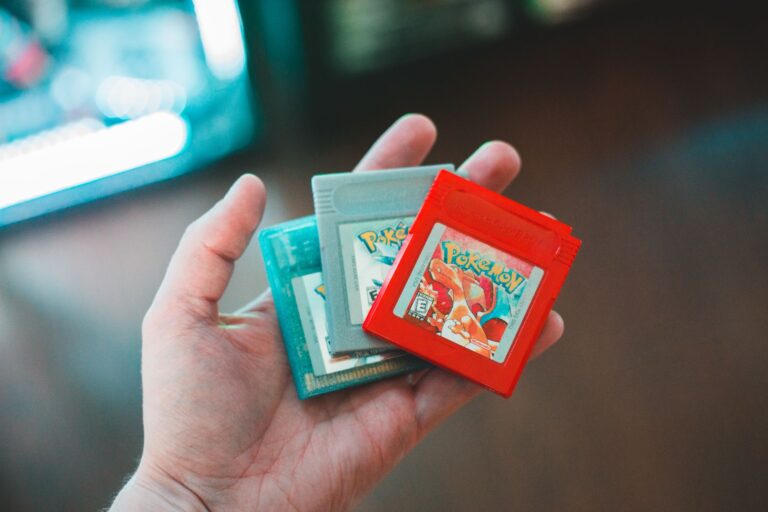
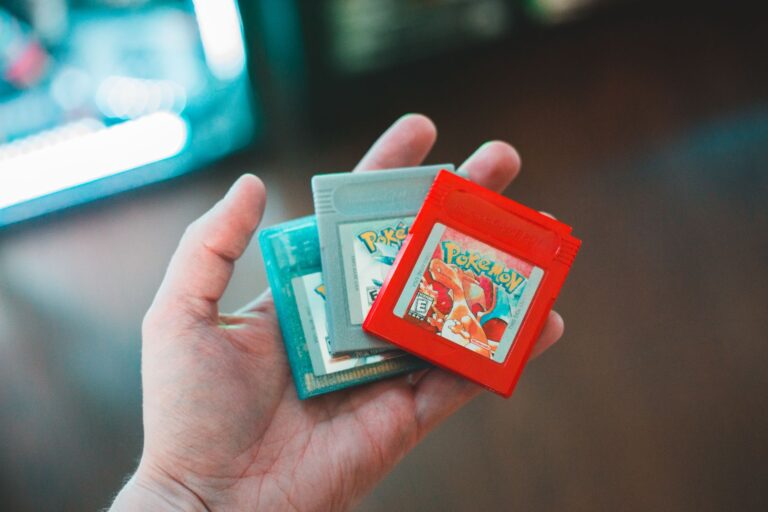
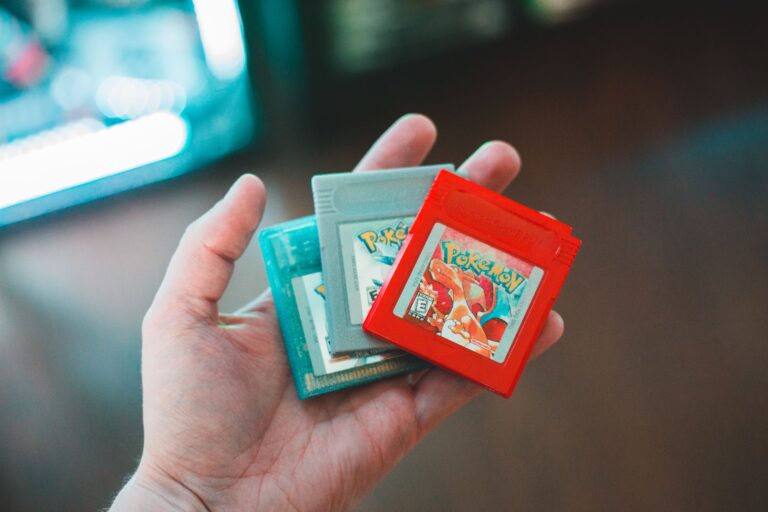
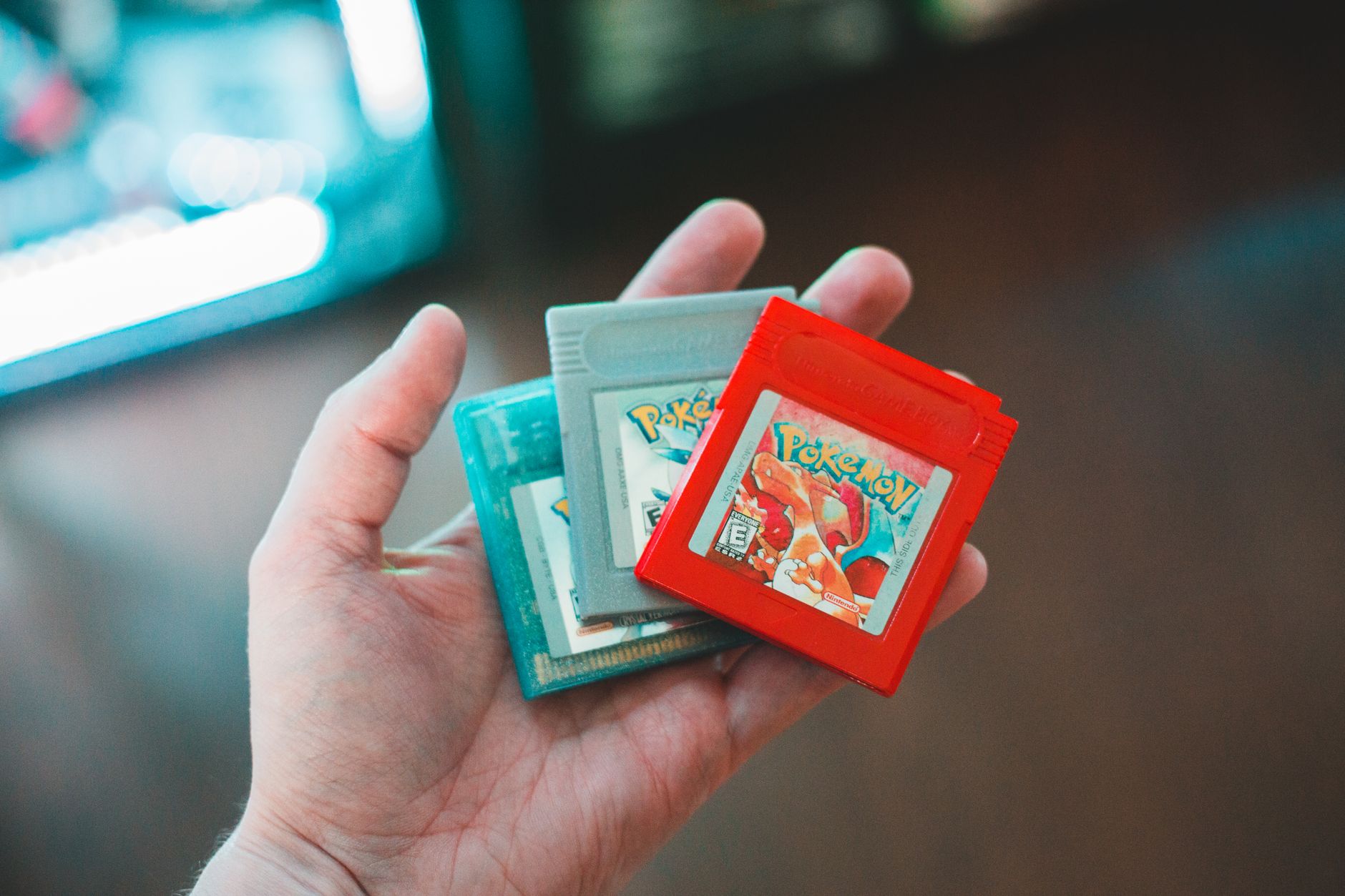
The landscape of retro game collecting has undergone massive shifts over the last few years, moving away from frantic pandemic-era hoarding toward a far more selective, player-driven hobby. Enthusiasts are no longer throwing blind cash at every yellowed cartridge on the shelf. Instead, the market is actively splitting into two distinct camps: speculative collectors chasing sealed showcase display items, and dedicated players investing heavily in authentic, tactile gaming hardware. The modern enthusiast wants genuine fidelity, which has pushed hardware preservation right to the forefront of collector demand.
Because of this shift, we are seeing unprecedented interest in hardware-level accuracy and display preservation. Original consoles paired with analog Cathode Ray Tube displays to showcase native 240p signals remain revered, but modern FPGA solutions such as the Analogue Pocket and MiSTer platform have rewritten baseline expectations. Collectors now balance original plastic with aftermarket screen upgrades like Game Boy IPS kits, opting for systems that look vibrant while retaining true board responsiveness. When genuine software costs spiral out of control, many seasoned collectors gladly pivot to Krikzz EverDrive flash carts, proving that physical authenticity often centers around how the hardware feels beneath your fingers rather than hoard-driven cartridge pride.
Evaluating True Value: Analyzing Market Prices Versus Speculation
Determining what a classic title is genuinely worth requires cutting through auction house hype and artificially graded plastic. Speculators love driving panic by citing high asking prices that never actually convert to sales, leaving uneducated buyers overpaying for standard condition games. The real value of any vintage game rests firmly in completed, verified transactions for loose cartridges and clean, complete-in-box copies. If a game routinely sits unsold online at inflated prices while local flea market copies move at half that rate, the market is dictating that the lower figure is the actual baseline value.
Savvy collectors maintain sanity by weighing authentic cartridge acquisition against practical hardware solutions. Spending hundreds of dollars on an inflated 16-bit title makes little sense when an EverDrive or solid FPGA setup delivers cycle-accurate playback on original hardware with native scanlines. Save states and flash cart features have demystified rare games, stripping away the artificial scarcity that predatory resellers rely upon. True value is rooted in historical significance, personal enjoyment, and hardware compatibility, not the manufactured rarity pushed by grading registries.
Where to Buy Retro Games: Navigating Local Finds and Online Marketplaces
Tracking down authentic retro games demands a balanced strategy between patient local hunting and guarded online marketplace purchasing. Local sources like car boot sales, garage cleanouts, thrift shops, and neighborhood retro stores remain the best avenues for discovering underpriced gems before markups occur. In these environments, you can physically inspect the goods: checking cartridge shell seams, smelling for storage dampness, testing button travel on controllers, and inspecting label wear in real daylight. Building genuine relationships with local indie shop owners often yields heads-up calls on trade-ins before inventory hits open floor displays.
When turning to online marketplaces like eBay or enthusiast forums, vigilance against bootlegs and reproduction shells is paramount. Look closely for macro photos showing authentic motherboard silkscreens, legit Nintendo security screws, clean label fonts, and correct European SCART or AV cabling. Ask sellers directly about battery save health, board revisions, and shell authenticity before pulling the trigger on pricier listings. Combining grassroots weekend foraging with meticulous online verification keeps your game library growing without draining your savings on disguised replicas.
Spotting Genuine Hardware: Cartridges, Capacitors, and Screen Mods
Spotting counterfeit games and degrading vintage electronics requires knowing what original factory assemblies look like from the inside out. When inspecting cartridges, external indicators like label glossy sheen, factory embossed production stamps, and correct security bit screws offer initial clues, but opening the shell reveals absolute certainty. Genuine Nintendo, Sega, and Konami circuit boards feature clean solder masks, sharp gold contact fingers, and official silkscreened part numbers rather than modern surface-mount flash chips glued down with black epoxy blobs. Beyond software cartridges, vintage hardware demands serious attention to failing electrolytic capacitors. Handhelds like the Sega Game Gear and home platforms like the PC Engine or original Xbox often suffer from leaking fluid that corrodes nearby traces, meaning a proper recap using high-grade components is vital for hardware preservation.
Aftermarket visual upgrades represent another major area where collectors must distinguish quality craftsmanship from sloppy modifications. Installing an IPS kit into an original Game Boy or Game Boy Color transforms unlit, reflective LCDs into vibrant, backlit displays with stellar viewing angles and adjustable brightness. However, these replacement panels draw additional current from the power rail and require precise soldering for brightness control menus, alongside careful shell trimming. Discerning collectors examine whether aftermarket housings fit flush without creaking, verify that power delivery remains stable under load, and check that internal ribbon cables are secured cleanly rather than jammed against the motherboard.
Preserving the Experience: Balancing Original Media with Flash Carts and CRTs
True retro gaming authenticity centers on hardware responsiveness and visual fidelity rather than sheer volume of physical plastic on a shelf. Running classic games through genuine console circuitry connected to an analog Cathode Ray Tube display preserves the intended experience flawlessly. CRTs render progressive 240p video signals natively with zero display processing latency, producing natural scanlines and beam phosphor softness that modern flat panels simply cannot recreate out of the box. For European enthusiasts and dedicated purists, coupling original consoles with shielded 21-pin RGB SCART cables bypasses murky composite video completely, delivering crisp color separation directly to high-grade CRT monitors or modern upscalers like the RetroTink.
Protecting fragile original media while enjoying expansive libraries has elevated the role of premium flash carts in serious setups. Equipping systems with Krikzz EverDrive cartridges allows players to run digital ROM files directly from microSD cards through genuine console silicon, sparing vintage cartridge edge connectors from constant friction wear. Modern flash carts also support cycle-accurate playback, hardware-level save states, and clean in-game menus without altering console timing. When combined with cycle-accurate FPGA hardware such as the Analogue Pocket or MiSTer project, enthusiasts achieve the ideal middle ground: authentic tactile performance and zero controller latency without exposing scarce, fragile cartridges to daily environmental wear.
Frequently Asked Questions About Retro Game Collecting
How do you spot a fake cartridge without opening it? Look closely at the exterior label, font weights, and shell texture. Authentic cartridges display crisp typography, correct regional seal logos, and faint numeric factory production codes stamped into the back label foil. Counterfeit shells often exhibit cheap, lightweight plastic with rough seam edges, incorrect screw types, and blurry label artwork lacking proper gloss.
Are flash carts like the EverDrive safe for vintage consoles? Yes, reputable flash carts engineered by trusted developers like Krikzz operate within safe voltage tolerances for original hardware. Reliable models properly convert modern 3.3V flash memory signals down to 5V bus standards required by classic motherboards, preventing voltage spikes and motherboard component degradation while offering features like micro-SD game loading and save state support.
Do you need a heavy CRT monitor to play 240p games properly today? While analog CRTs deliver authentic zero-lag scanlines natively, high-performance upscalers like the RetroTink provide an exceptional modern alternative. Upscalers take raw RGB SCART or component feeds, line-double the 240p image with microsecond latency, and apply authentic scanline masks directly onto modern HDMI television screens without introducing motion artifacts.