
The Golden Age Dawn: When Coin-Op Cabinets Captured the World
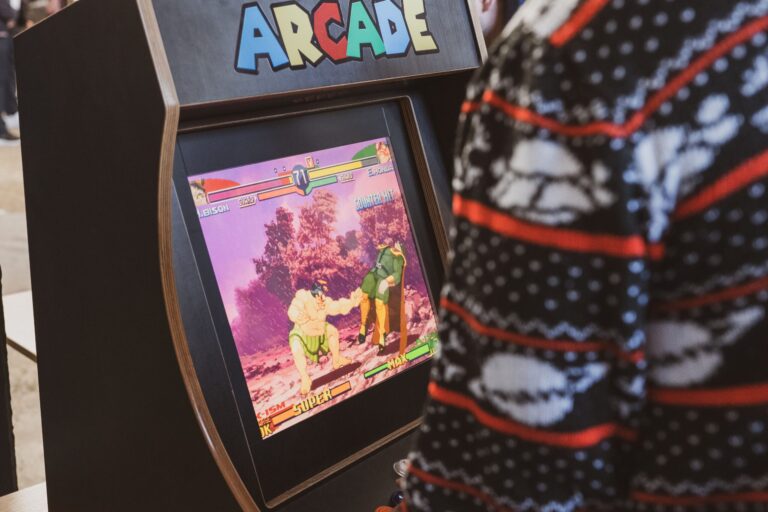
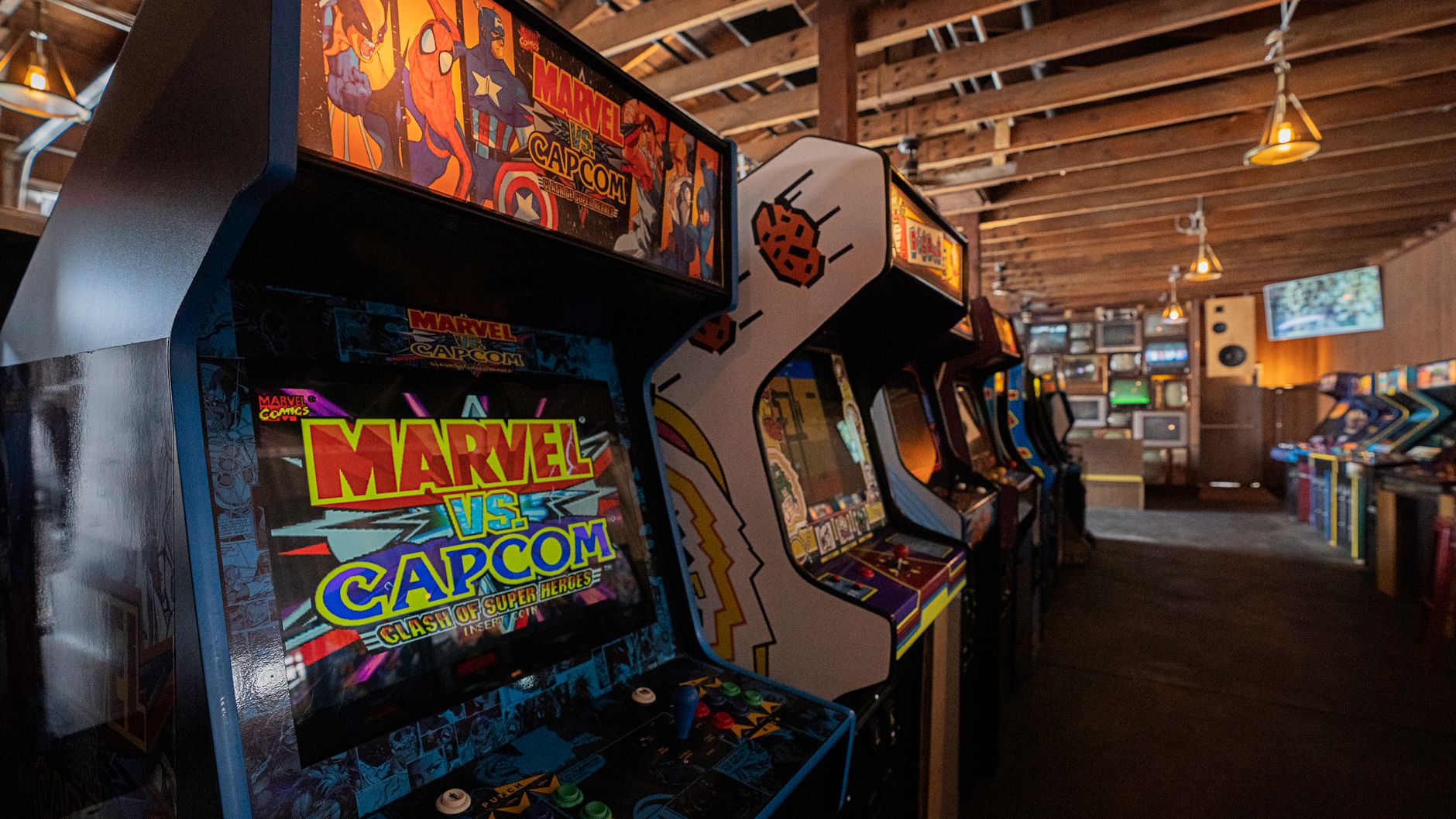
Step across the threshold of a classic arcade and the sensory assault hits immediately: the distinct metallic clatter of tokens tumbling into coin doors, glowing side art rendered under dim neon fixtures, and a chorus of synthesized fanfares fighting across the room. Dedicated coin-op cabinets transformed public spaces into electrifying arenas of social play, where players stood shoulder to shoulder to master precise joysticks and responsive leaf switches. In those formative years, golden age arcade titles pushed software design forward because every mechanical detail had to earn its keep one quarter at a time. The physical cabinet was never just a container for electronics; it was an architectural statement engineered to draw crowds and spark instant rivalry.
Unlike the solitary experiences that defined early living-room setups, coin-op machines turned gaming into a collective performance. Gathering around an upright cabinet meant studying an opponent’s hand techniques, learning secret patterns through shoulder-to-shoulder observation, and fighting for the coveted top initials on high score leaderboards. Operators swapped dedicated circuit boards into converted wooden chassis to keep up with player appetite, establishing the foundation of competitive gaming culture long before connected networks existed. The communal bond forged in those buzzing venues remains the beating heart of retro arcade preservation today.
Cathode Glow and Scanlines: Why Authentic 240p Arcade Displays Matter
To witness a retro arcade title running on a native Cathode Ray Tube monitor is to understand how original game artists intended their worlds to look. Arcade monitors and early televisions resolved low-resolution video signals in 240p, a progressive format consisting of roughly 240 active horizontal lines refreshed at sixty frames per second. Because the electron beam skipped alternate lines during progressive draw cycles, subtle dark gaps formed between illuminated rows, creating natural scanlines. These fine blank intervals masked hard pixel boundaries, blending dithering patterns and vibrant phosphor blooms into silky, detailed imagery that modern flat panels inevitably flatten into harsh, jagged grids.
Beyond optical fidelity, the physical nature of CRT technology delivers an operational advantage that modern displays struggle to match: instantaneous response with zero processing lag. Flat screens require digital processing to interpret legacy video, often misinterpreting 240p signals as 480i interlaced frames, which introduces muddy deinterlacing artifacts and perceptible input delay. Purists maintain vintage chassis with RGB video taps, reminiscent of clean European SCART connections, or route signals through specialized hardware upscalers like RetroTink to recreate scanline profiles and preserve the snappy reflexes mandatory for bullet-hell survival and split-second counterattacks.
From Custom PCB Boards to System BIOS: How Arcades Powered Gaming Tech
Decades before home consoles dominated living rooms, dedicated arcade hardware stood at the absolute cutting edge of gaming technology. Coin-op manufacturers designed complex, custom printed circuit boards (PCBs) packed with specialized co-processors, custom sound chips, and expansive memory banks that domestic home consoles simply could not afford. Operating systems on these machines relied on proprietary system BIOS firmware embedded inside physical ROM chips to initialize system hardware, manage video synchronization, and establish base communication before handing control over to the game software. This specialized architecture gave coin-op systems the power to render massive multi-layered sprite parallax and crystal-clear stereo audio long before home microcomputers caught up.
Modern preservation treats these physical artifacts with meticulous technical care, balancing direct board repair against accurate software recreation. Running original arcade ROM dumps in modular emulator environments such as RetroArch requires precise dumps of authentic system BIOS files to ensure timing and input routines execute correctly. For enthusiasts seeking hardware-level accuracy without maintaining fragile forty-year-old PCBs, Field-Programmable Gate Arrays (FPGA) like the MiSTer platform recreate arcade hardware logic at the silicon level, capturing cycle-accurate behavior and near-zero latency while keeping the raw engineering brilliance of the arcade era alive.
The Communal Sala Giochi: Preserving Social Competition and High Scores
Long before online matchmaking and remote multiplayer lobbies took over, the neighborhood sala giochi served as an irreplaceable social proving ground. Stepping into that dimly lit room meant stepping onto an unwritten communal stage where respect was earned one token at a time. Crowds naturally clustered three-deep behind whoever was on a hot streak, analyzing joystick grip techniques, memorizing enemy spawn patterns, and waiting patiently for their turn at the coin slot. The entire atmosphere ran on raw public accountability; if you claimed you could clear a notorious level on a single credit, you had to prove it right there under the hum of neon tube fixtures with a dozen pairs of eyes locked onto your screen.
At the center of this social ecosystem sat the three-letter high score leaderboard, a sacred roster that turned local players into neighborhood legends. Securing the top slot on a coin-op cabinet immortalized your initials for anyone who walked past the attract screen, sparking rivalries that spanned months without the players ever needing to exchange a formal word. That shared physical space created a sense of camaraderie and competitive etiquette that modern digital gaming networks struggle to reproduce. Today, dedicated preservation societies, retro arcades, and competitive tournaments fight to keep that community spirit alive, proving that the true legacy of the golden age arcade lies not merely in wooden chassis and motherboards, but in the collective human energy gathered around them.
Bringing the Arcade Home: FPGA Hardware, Emulation, and Control Rigs
Recreating the blistering reflex speeds and tactile impact of original coin-op machines in a domestic setting requires careful attention to both hardware logic and controller response. While software emulation through modular platforms like RetroArch offers a versatile gateway into retro gaming, purists often run into the subtle timing compromises inherent to traditional operating systems. To eliminate input delay and achieve cycle-accurate execution, enthusiasts increasingly turn to Field-Programmable Gate Array technology, commonly known as FPGA. Platforms like the MiSTer project and the Analogue Pocket do not simply run code; they physically simulate the original arcade co-processors, sound chips, and system architecture at the silicon level, capturing the exact operational timing that vintage arcade developers originally engineered.
Building a home setup that rivals a dedicated coin-op cabinet also demands an authentic signal chain and robust physical interfaces. Running original board dumps often requires pairing legitimate system BIOS firmware with precision upscalers like RetroTink, which can ingest 240p signals over RGB connections like European SCART cables and render razor-sharp scanlines without lag on modern flat screens. For the ultimate purist configuration, routing that video directly into a native CRT monitor restores zero-latency raster drawing entirely. When combined with custom control rigs fitted with heavy steel mounting plates, genuine Japanese or American joysticks, and high-durability microswitches, home enthusiasts can finally experience the uncompromised responsiveness and sensory weight that defined golden age arcade cabinets.
Frequently Asked Questions About Retro Arcade Games
Why do retro arcade games look noticeably better on CRT displays than modern 4K televisions? Original arcade hardware outputs a native progressive resolution of 240p, drawing around 240 active lines at sixty frames per second. Native Cathode Ray Tube displays generate natural blank scanlines between each illuminated pass, seamlessly blending low-resolution sprites and dithering effects. When modern flat panels attempt to display these signals directly, they often misinterpret 240p as 480i interlaced video, introducing severe processing lag, muddy deinterlacing artifacts, and unnatural jagged edges unless bridged by dedicated upscaling hardware like RetroTink.
What is the main operational difference between FPGA hardware and software emulation like RetroArch? Software emulators translate instructions through multiple computer layers, executing game code on modern processors, which occasionally introduces minor frame pacing discrepancies or input latency. In contrast, FPGA devices like the MiSTer reconfigure physical gate circuits to mirror the original silicon architectures of custom arcade boards directly. This circuit-level reproduction ensures cycle-accurate timing and near-zero latency, making FPGA the gold standard for preservationists seeking the exact electrical behavior of original arcade printed circuit boards.
Why are system BIOS files necessary when booting certain coin-op titles at home? Classic arcade motherboards relied on proprietary system BIOS firmware permanently burned into ROM chips to handle power-on self-tests, coordinate video synchronization, and establish communication between audio chips and main processors. Emulators and FPGA cores require clean, authentic dumps of these original system BIOS files from the hardware you own to initialize the environment properly before the primary game software ROM can boot and accept player inputs.