
Understanding the Modern Retro Game Collecting Market: Hype vs. Reality
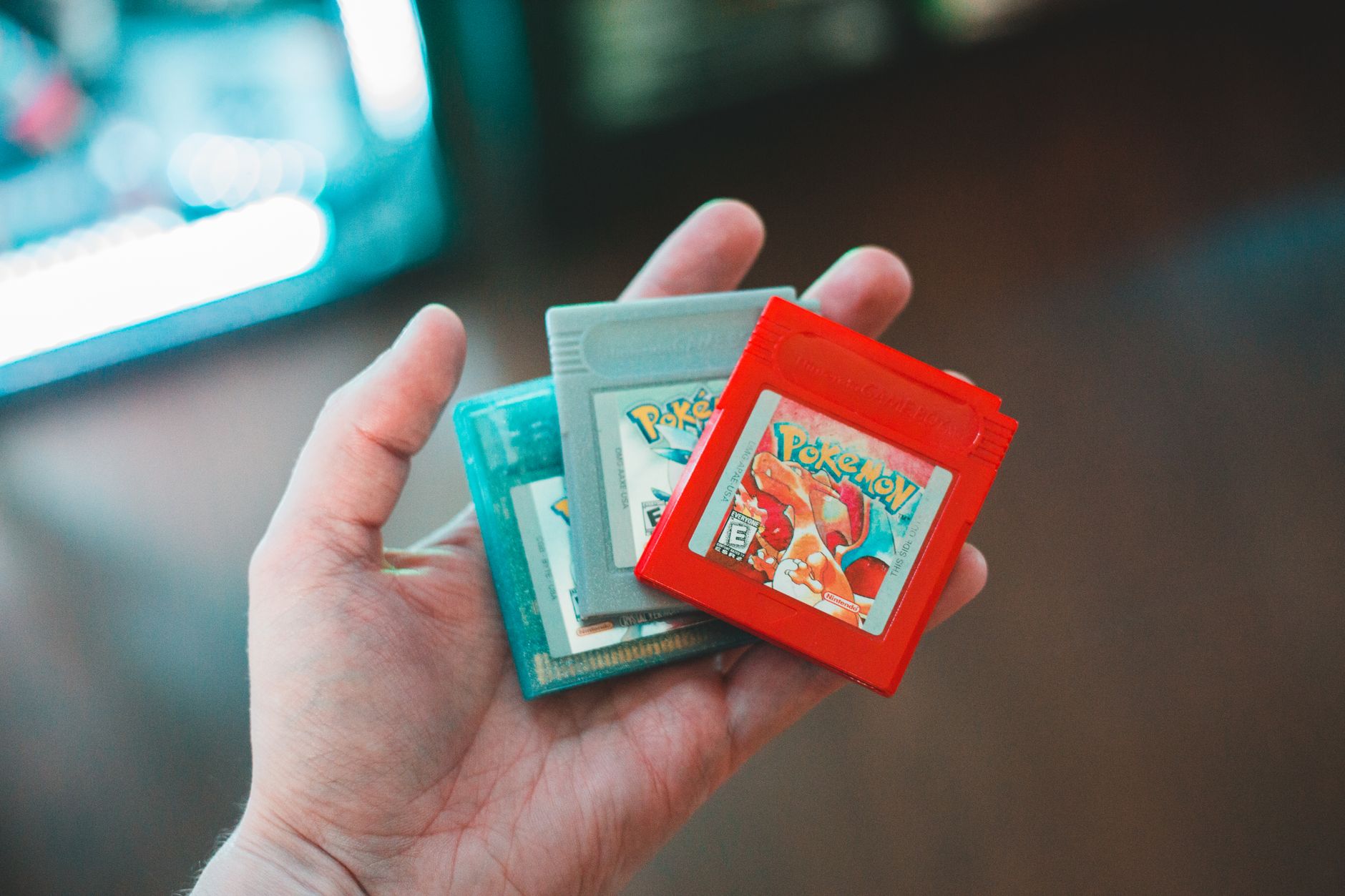
Retro game collecting has shifted dramatically over the past several years, transforming from a laid-back hobby rooted in local flea markets into a volatile ecosystem swayed by auction speculation and social media hype. Sealed copies locked inside acrylic grading slabs often command absurd figures, yet these high-profile sales represent an insular investment bubble rather than the actual state of the hobby. Everyday enthusiasts and practical gamers primarily trade in loose, playable cartridges and authentic discs meant to run on classic hardware or cycle-accurate FPGA devices. When you examine the actual transaction volume across community circles, the day-to-day market remains steady and focused on physical preservation rather than Wall Street style speculation.
Newcomers frequently mistake high asking prices for true market consensus, assuming that every cardboard box from the 1990s represents an untapped goldmine. Production numbers for mainstream hits on platforms like the Super Nintendo, Sega Mega Drive, and original PlayStation numbered in the millions, meaning functional loose copies remain widely accessible. Artificial scarcity only works when buyers surrender to panic and impatience. Remembering that high-end flash carts like the EverDrive exist provides an immediate reality check against inflated prices, establishing a functional ceiling for what pure software access should reasonably cost.
Determining Fair Market Prices Without Relying on Speculative Bubbles
Pinpointing genuine market value requires stripping away speculative noise and tracking actual settled transactions. Active listings on digital storefronts represent wishful thinking from sellers rather than hard economic data. A reliable baseline emerges only when you track completed, paid sales over a rolling ninety-day window across dedicated collector boards and regional exchange groups. By documenting what buyers actually hand over in cash or settled trades, you establish a grounded price curve that ignores artificial spikes driven by speculative bidding wars.
Evaluating fair value also hinges on distinguishing between cosmetic perfection and functional longevity. A cartridge shell might show minor label wear, but pristine internal contacts, an uncorroded circuit board, and a healthy save battery provide far more real-world value than a sun-faded display piece. Discs require careful inspection under direct light to check for disc rot rather than minor buffable scuffs. Approaching each purchase with a mechanic’s eye prevents overpaying for superficial presentation and keeps your budget aligned with durable, long-term playability.
Where to Find Authentic Games: Proven Hunting Grounds and Sourcing Strategies
The most productive hunting grounds for genuine retro games remain offline, far removed from algorithmic reseller platforms. Neighborhood yard sales, community swap meets, estate auctions, and recycling depots regularly yield authentic cartridges and classic CRT monitors at grounded prices. Establishing a friendly rapport with independent game shop owners provides another steady pipeline for reliable hardware. These small merchants often welcome repeat local buyers who trade hardware, assist with minor diagnostics, or pick up untested lots without demanding retail guarantees.
When buying online is unavoidable, thorough verification separates legitimate cartridges from cheap modern bootlegs. Always insist on seeing clear photographs of the internal printed circuit board to verify original mask ROM chips, Nintendo or Sega factory stampings, and proper solder joints. Specialized community forums and regional enthusiast trade networks offer safer sourcing environments than open global storefronts, as members actively self-police counterfeits. Treating game sourcing as a patient, methodical search rather than a race protects your wallet and guarantees that every acquisition in your collection is fully genuine.
Spotting Counterfeits and Verifying Cartridges, Shells, and Circuit Boards
Detecting illegitimate cartridges requires looking past glossy front labels and inspecting the physical architecture of the cartridge itself. Authentic vintage cartridges from Nintendo and Sega rely on proprietary security screws, such as 3.8mm and 4.5mm gamebit fasteners, whereas low-tier counterfeits often cut corners with standard Phillips screws or mismatched metallic finishes. The plastic shell provides immediate tactile clues: authentic ABS plastic feels rigid, textured, and slightly weighted, while modern reproduction shells feature a greasy, lightweight sheen with poorly defined seam lines and brittle tabs. Pay close attention to the debossed factory imprint numbers stamped directly into the rear labels of authentic cartridges, a production detail almost universally absent on counterfeit stickers.
True verification happens only when you open the casing to examine the printed circuit board. Genuine retro games rely on durable mask ROM chips branded with official manufacturer logos, clean silkscreened part numbers, and smooth, robotic solder joints that have matured over decades. Bootlegs, by contrast, frequently utilize messy hand soldering, cheap modern flash chips wired to adapter boards, or fragile epoxy globs directly on flimsy, thin PCBs. Verifying the gold contact fingers along the edge connector is equally telling, as authentic boards utilize thick gold plating with beveled edges designed for repeated insertion, unlike the harsh, square edges of cheap copper-clad knockoffs that chew up original cartridge slots.
Preservation vs. Practicality: Balancing Original Media with Flash Carts
Balancing authentic physical media with modern playback solutions is the hallmark of a pragmatic collector. Subjecting a rare, expensive cartridge to hundreds of insertion cycles exposes delicate solder pads, labels, and cartridge slots to unnecessary mechanical wear and oxidation. Flash carts, most notably the EverDrive series designed by Krikzz, solve this preservation dilemma by running complete software libraries directly off microSD cards while operating on original vintage silicon. Pairing a dedicated flash cart with original hardware or cycle-accurate FPGA systems delivers native timing, zero input latency, and legitimate 240p video output to your CRT or SCART setup without risking catastrophic damage to your primary investment.
Using practical hardware alternatives also relieves the ongoing headache of maintenance and component failure. Original cartridges depend on internal CR2032 or CR1616 coin cells that inevitably drain, risking battery leakage or wiping decades-old in-game progress without warning. While replacing tabbed batteries with fresh soldered cells is a straightforward workbench task, running games through a flash cart offers the safety of digital save state snapshots alongside standard SRAM writing. Embracing modern hardware tools allows you to curate a disciplined, display-worthy shelf of cherished genuine cartridges while doing your daily gaming on clean, reliable solid-state storage.
Frequently Asked Questions About Retro Game Collecting
What is the single most important tool for verifying cartridge authenticity? A dedicated set of 3.8mm and 4.5mm gamebit screwdrivers is mandatory. You cannot confirm an authentic cartridge through cosmetic inspection alone; opening the shell to verify official mask ROM chips, pristine gold edge connectors, and proper factory silkscreen marks on the internal circuit board remains the only definitive safeguard against bootlegs.
Does using a flash cart devalue the experience of retro game collecting? No, flash carts like the EverDrive protect your collection by eliminating wear on rare cartridges and fragile console pin connectors. They deliver identical hardware-level performance on authentic consoles or FPGA hardware while letting you enjoy games that command inflated, speculative market prices without spending thousands of dollars.
What display provides the most authentic gameplay on classic hardware? A standard consumer CRT television running native 240p over composite or RGB SCART cables delivers lag-free response times and intended scanline visuals. If space or weight makes a CRT impractical, running your vintage hardware into a dedicated low-latency video upscaler provides a faithful, razor-sharp picture on modern flat-panel displays.