
The Golden Age Arcade Phenomenon: How Coin-Op Cabinets Defined Gaming Culture
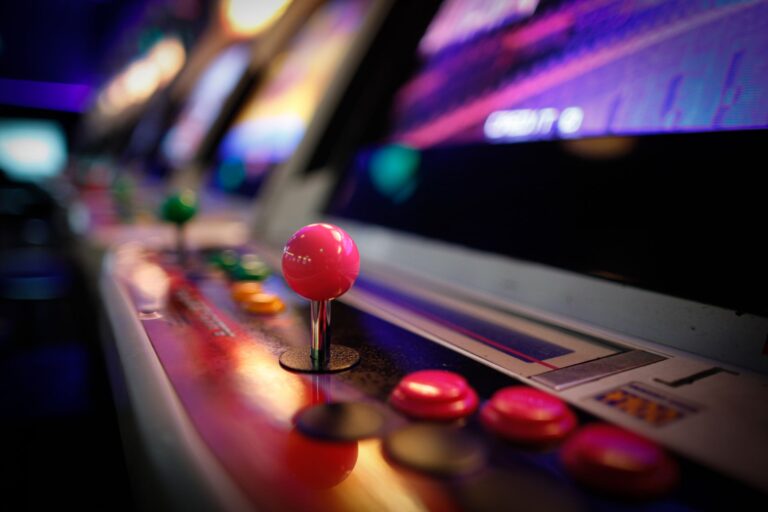
Stepping into a bustling arcade during the golden age meant entering a sensory storm of electronic synthesized chimes, glowing marquee lights, and communal anticipation. Coin-op cabinets served as physical neighborhood hubs where gamers gathered shoulder-to-shoulder to test their skills and share strategies. Dropping a coin or token into the slot created immediate tension, turning every credit into an authentic public performance where victory earned bragging rights and defeat meant stepping aside for the next challenger.
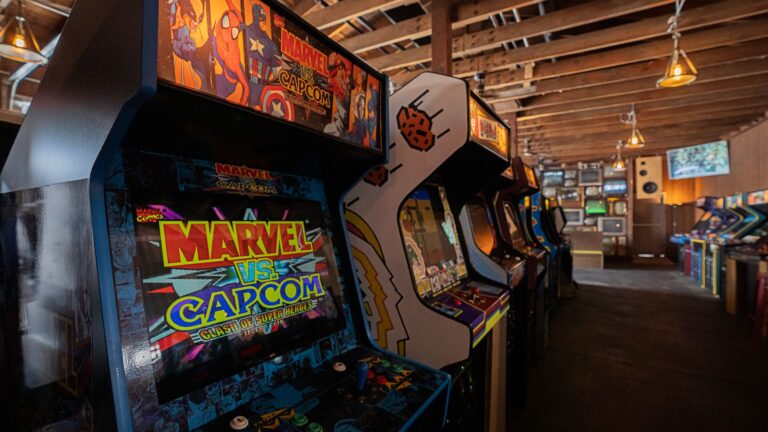
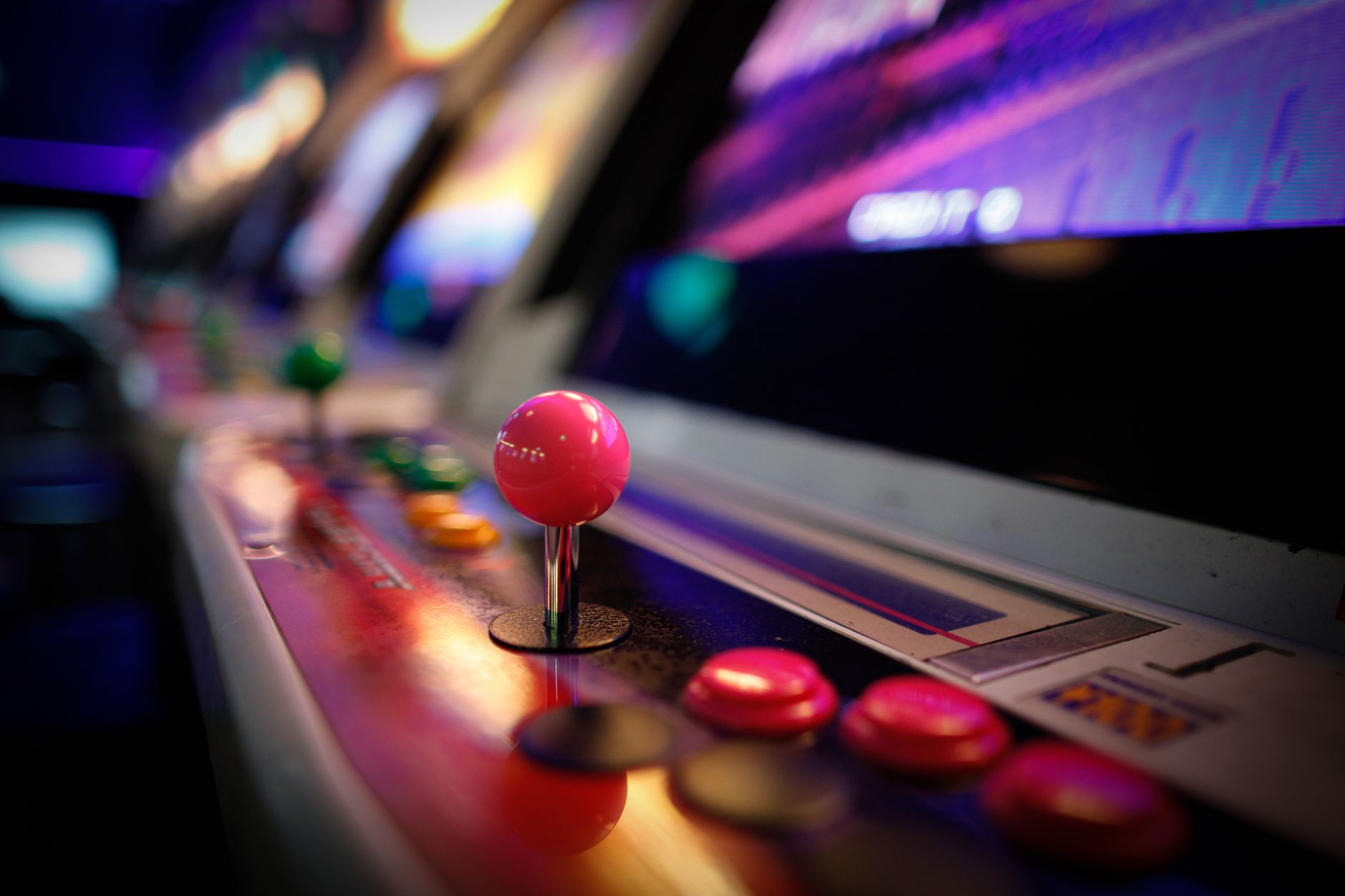
The aesthetic architecture of the classic cabinet reinforced this cultural draw. Custom side art, illuminated bezels, and specialized control panels turned each machine into an individual showcase of industrial design. Because every play session carried real stakes, players cultivated a level of mechanical discipline and focus rarely seen in living rooms. That shared communal arena established gaming as a spectator-driven, high-energy pastime, laying the social foundation for competitive gaming as we know it today.
Inside the Classic Cabinet: CRT Displays, 240p Signals, and Original Hardware
At the operational core of every vintage cabinet sits an authentic Cathode Ray Tube (CRT) monitor. Unlike modern flat panels, a CRT natively handles the 240p progressive video signals generated by classic arcade boards, drawing 240 active lines with distinctive scanlines and zero signal-processing lag. This direct phosphor illumination produces vibrant motion clarity and instantaneous response times, both of which are critical for fast-paced arcade action where microsecond inputs determine survival.
Maintaining this authentic hardware workflow requires an understanding of how original signals operate. Standard modern televisions frequently misread 240p signals as 480i interlaced video, creating visual artifacts and unbearable input latency. Enthusiasts seeking authentic visual fidelity without an original tube often integrate specialized upscalers like RetroTink to recreate clean scanlines, or deploy cycle-accurate FPGA hardware platforms such as MiSTer to reproduce the original circuit-level behavior without the emulation overhead of conventional software layers.
Icons of the Arcade: Legendary Titles That Mastered High-Stakes Gameplay
The legendary titles that define the golden age earned their iconic status through unforgiving, precision-engineered difficulty curves. Designed specifically to challenge players and encourage steady coin insertion, these games demanded complete spatial awareness, rapid pattern recognition, and absolute timing. In an era without convenient pause buttons or quick save states, every run was a genuine high-wire act where a single mistake instantly wiped out progress and tested the player’s resolve.
Beneath the marquee, these masterworks operated on dedicated arcade boards running proprietary firmware and specific BIOS routines tailored precisely to the game logic. The synergy between custom microprocessors and arcade-quality joysticks delivered tactile feedback that home ports of the era could rarely duplicate. These demanding titles set an uncompromising standard for gameplay design, proving that meaningful reward stems from mastering unyielding, high-stakes challenges.
Atmosphere of the Sala Giochi: Community, Competition, and the Quarter Economy
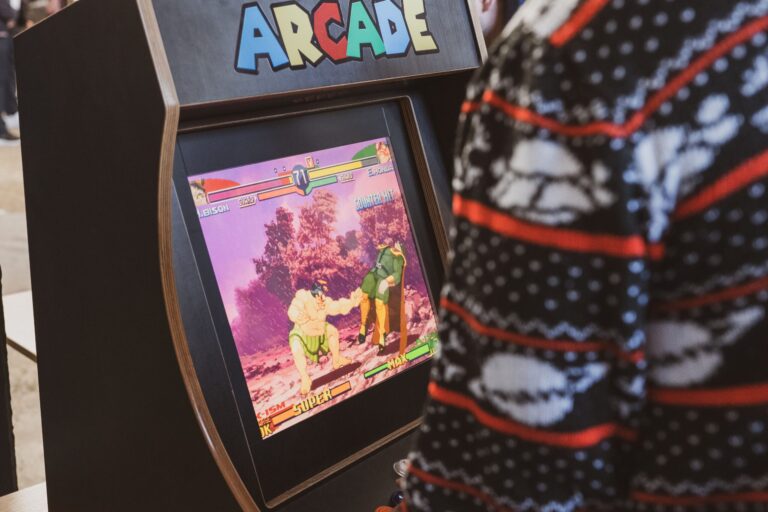
Stepping past the heavy curtain of a neighborhood sala giochi meant stepping into a sensory sanctuary where flashing marquees, electronic fanfare, and the clatter of metal tokens created an electric pulse. In these communal spaces, players didn’t simply enjoy a private pastime; they performed on an open stage. Placing a coin on the lower edge of a cabinet’s glass bezel was the universal language for claiming the next challenge, establishing an unspoken social contract where skill dictated who stayed on the sticks and who had to step back into the crowd. The ambient hum of cooling fans and CRT phosphors set the rhythm for impromptu tournaments where local legends were crowned on high-score tables.
The quarter economy fundamentally dictated how classic coin-op titles were built and played. Without home conveniences like pause menus or reloadable save states, players faced strict, unyielding difficulty curves engineered to turn every single credit into a high-stakes investment. Every movement demanded deliberate focus, mechanical discipline, and instant pattern recognition, transforming five minutes of play into an adrenaline-fueled test of endurance. That immediate financial and public pressure gave the classic arcade its distinct identity, turning casual visitors into dedicated tacticians and fostering a shared community spirit that defined an entire era of gaming culture.
Modern Arcade Preservation: From Dedicated FPGA Hardware to Modern Emulation
Preserving arcade history today bridges the gap between flexible software solutions and cycle-accurate circuit engineering. On one side of this spectrum sits software emulation, led by front ends like RetroArch running modular libretro cores. This approach grants universal access across everyday hardware, introducing quality-of-life additions like custom shaders, online netplay, and instant save states. However, running complex arcade routines through non-dedicated operating systems can introduce variable processing overhead and input latency, prompting purists to look toward silicon-level solutions for definitive accuracy.
That pursuit of absolute hardware fidelity has placed Field-Programmable Gate Arrays at the forefront of modern preservation. Through dedicated open-source platforms like MiSTer and portable hardware like the Analogue Pocket, an FPGA chip physically configures its internal logic gates to mirror the proprietary microprocessors, sound chips, and custom arcade boards at the electrical circuit level. When paired with native BIOS dumps, these platforms operate with negligible input lag and authentic hardware timing. Enthusiasts can output pristine 240p progressive signals directly to a CRT or route RGB SCART feeds into a RetroTink upscaler, ensuring authentic scanline delivery on modern displays without the motion blur or deinterlacing lag typical of standard flat screens.
Frequently Asked Questions About Retro Arcade Games
What is the difference between FPGA hardware and software emulation for arcade games? Software emulators like RetroArch interpret original machine instructions through an abstract program layer running on standard operating systems, offering features like save states and shaders at low cost. Conversely, FPGA hardware platforms such as the MiSTer configure reconfigurable physical circuits to recreate the exact logic and timing of original arcade boards, achieving cycle-accurate performance and near-zero latency without software overhead.
Why do classic arcade games and 240p video look superior on a CRT monitor? Classic coin-op titles natively output progressive 240p signals designed specifically for the phosphor grids of Cathode Ray Tubes. A CRT draws every frame directly with zero display latency and natural scanlines, avoiding the signal misinterpretation common in modern flat panels, which frequently mistake 240p feeds for 480i interlaced signals unless paired with a dedicated upscaler like RetroTink.
Are system BIOS dumps required to play classic arcade and console titles? Yes, several arcade boards and advanced consoles rely on basic input/output firmware to initialize hardware circuits and load game code. Emulators and FPGA cores often require verified BIOS dumps sourced from genuine, legally owned hardware to boot titles properly and maintain cycle-accurate behavior across audio and video routines.