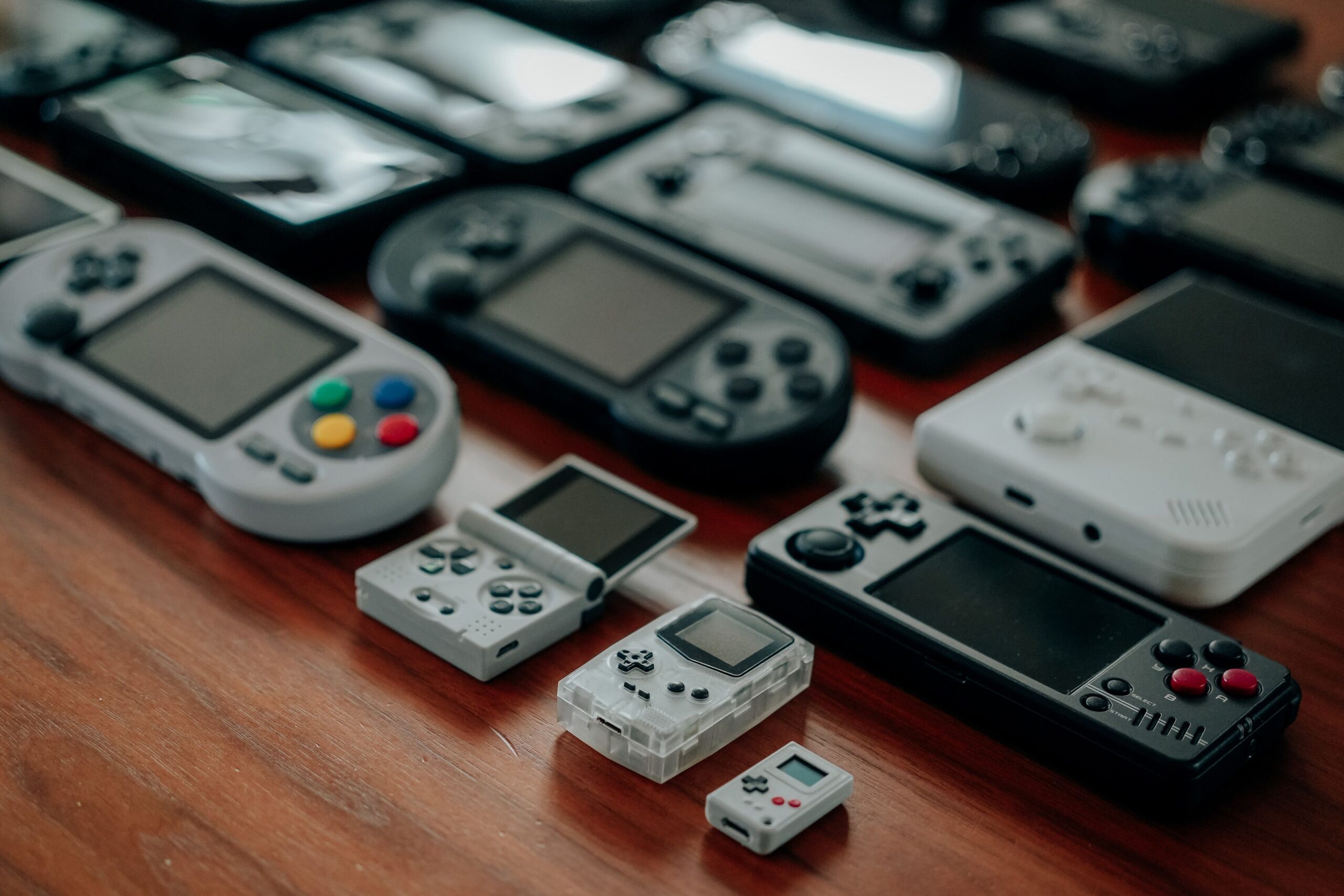

The best retro handheld console in 2026 depends entirely on what you actually want to play and how much effort you want to spend. If you want the real hardware and the real cartridges, a Game Boy or a Game Boy Advance is still the honest answer. If you want every classic on one device without hunting down used carts, a modern handheld like the Anbernic RG35XX or the Miyoo Mini Plus does the job for under $70. And if you want original hardware feel with modern conveniences, the Analogue Pocket sits alone at the top. This guide walks through the whole landscape, the prices you should expect, the traps to avoid, and the hardware worth owning in 2026.
Why Retro Handhelds Are Still Worth Buying
Handhelds aged better than any other retro platform. A NES needs a TV, a power supply, and usually a bit of fiddling. A Game Boy just needs batteries and a cart. The hardware is portable by design, the screens are small enough that old pixel art still looks sharp, and the battery-powered nature means there is no CRT, no scaler, no complicated video chain to sort out.
That convenience is exactly why handhelds never really died. Nintendo kept shipping portable devices from 1989 without a single generation gap, and Sony, Sega, and Atari all tried to break in. The result is a huge library of excellent games across several completely different hardware generations, most of which still play perfectly today.
Buying a retro handheld is one of the lowest-effort ways to experience classic gaming, because the platform is self-contained. No upscaler, no CRT, no RGB mod. Put in a cartridge, press power, play.
The Original Hardware, Generation by Generation
{ "translation": "Prima di spendere qualsiasi cosa, aiuta sapere cosa offre effettivamente ogni generazione. La buona notizia è che ogni grande linea di console portatili è ancora giocabile e ha ancora giochi che valgono la pena di possedere." }
{"Game Boy and Game Boy Color (1989)": "Game Boy e Game Boy Color (1989)"}
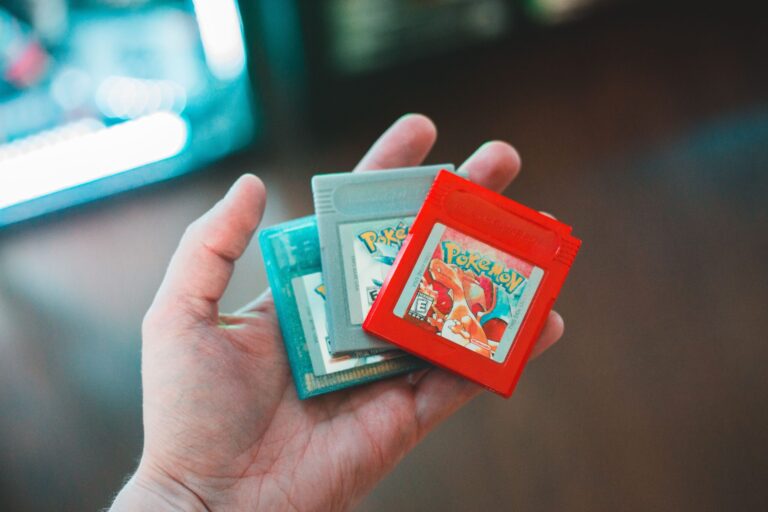
The original Game Boy is a legend for a reason: Tetris, Super Mario Land, the Pokémon duology. It sold around 118 million units worldwide by Nintendo’s own count, which makes it one of the best-selling consoles ever made. What you get in 2026 is a green monochrome screen, a pea-shooter speaker, and a library of deeply playable games.
The Game Boy Color is the better practical buy. It plays the entire original library plus its own color-enhanced catalog, and the screen is a genuine upgrade, though still small by modern standards. Both are cheap, durable, and easy to repair. Expect to pay $40-90 for a loose unit in good condition, more for boxed sets.
The catch is the screen. The original LCD has ghosting, poor contrast, and no backlight. Most people who buy an original Game Boy today end up modding it with an IPS screen, which is a separate cost and a bit of soldering.
Game Boy Advance (2001)
The GBA is where handheld gaming got serious. A 32-bit ARM processor, a landscape layout that finally fits adult hands, and a library that includes Metroid Fusion, the Zelda port duology, Final Fantasy Tactics Advance, and the entire GBC and GB back catalog. It also ran original Game Boy games, which made it the single most versatile handheld of its era.
The AGS-101 model (GBA SP with backlit screen) is the one to look for. The original frontlit and non-lit models are frustrating to play on anything but direct sunlight. The GBA SP sold about 81 million units, and its clamshell design protects the screen perfectly.
{ "prices": "Prezzi: $60-120 per un AGS-101 non modificato, a seconda delle condizioni della shell. La via più economica è un GBA standard più un kit di schermo IPS aftermarket, ma questo ti porta a un totale di $120-150 una volta considerati la saldatura o la shell drop-in." }
One more unit deserves a mention: the Game Boy Micro, the smallest handheld Nintendo ever made. It plays only GBA games and its faceplates are notoriously hard to find now, but if you want the most pocketable original device in existence, nothing else comes close. Expect to pay more than its size suggests, $90-140 for a clean unit.
Nintendo DS and DSi (2004)
The DS is technically retro now, and that is a strange sentence to write. It sold over 154 million units, the best-selling handheld of all time. Its dual-screen design produced a genuinely unique library: Brain Age, Nintendogs, The World Ends with You, the Professor Layton series, and every GBA game as a bonus via the Slot-2 cartridge.
The original DS plays GBA carts, the DS Lite plays them too, and the DSi does not. If you want the full retro coverage, the DS Lite is the sweet spot: backlit screens, GBA support, and reasonable prices around $50-80.
PSP (2004)
Sony’s PSP is the most modern of the retro handhelds, and in many ways the most impressive. A 480×272 widescreen, 3D graphics that genuinely rivaled the PS2 on some titles, and the best portable version of a music player this side of the iPod. Games like Lumines, Wipeout Pure, and Persona 3 Portable still look and sound fantastic.
The UMD discs are the weak point. They are slow, noisy, and increasingly hard to find in good condition. The practical answer for a PSP in 2026 is a PSP-3000 or PSP Go with a Memory Stick Duo loaded with digital games, which the system can run natively from memory, no hacking required for anything Sony officially sold.
{"What About the Others?": "E gli altri?"}
The Atari Lynx, Sega Game Gear, and Neo Geo Pocket Color all had their moments. The Game Gear is a notorious battery vampire, the Lynx was ahead of its time but awkward, and the Neo Geo Pocket Color has a small but beloved library, especially its fighting games. None of these are bad purchases if you find a deal, but they are collector’s items more than daily drivers. The Game Gear also needs its capacitors replaced in almost every surviving unit.
{ "Modern Retro Handhelds: The Emulation Powerhouses": "Console portatili retrò moderne: le potenze dell'emulazione" }
If you want the entire retro library on one device, the Chinese emulation handhelds have completely changed the market since around 2020. These are small devices running Linux or Android with emulators preinstalled, and they play everything from the NES to the PS1, sometimes the N64 and PSP as well.
The modern emulation handhelds offer the full retro library for less than the price of a single original console, and they keep getting better every year.
Anbernic RG35XX Series
The RG35XX line is the default recommendation for most people. A horizontal or vertical design depending on the model, a 3.5-inch IPS screen, and enough power to emulate up to the PS1 without drama. The RG35XX Plus and RG35XX H are the models to buy in 2026. Expect to pay $50-75.
Miyoo Mini Plus
The Miyoo Mini Plus is the cult favorite. A tiny vertical design that fits in a pocket, an excellent 3.5-inch screen, and the best community firmware in the scene, OnionOS. It plays up to PS1 comfortably and it is genuinely pocketable. Around $60-70. The stock microSD card is famously bad, so budget for a reputable card and a fresh firmware install.
Retroid Pocket and the Android Tier
The Retroid Pocket 4 Pro and Pocket 5 sit a tier above. They run Android, have proper screens, and can handle N64, Dreamcast, PSP, and even some GameCube and PS2 emulation. The tradeoff is price, $150-230, and a setup process that involves real configuration. Not for beginners, excellent for people who know what they want.
The Analogue Pocket
The Analogue Pocket is the premium option and it is a different philosophy entirely. Instead of emulation, it uses FPGA hardware to reproduce the original console circuits exactly. It plays Game Boy, GBC, and GBA cartridges natively, and with adapters it covers Neo Geo Pocket, Atari Lynx, and Game Gear. The screen is stunning, the build quality is superb, and the timing is pixel-perfect.
The catch is the price, $249 plus shipping, and availability. It has been perpetually sold out since launch. If you are serious about original cartridges and want the best possible experience, it is the endgame device.
Original vs Modern: The Honest Comparison
| Device | Price Range | Games | Setup Effort | Best For |
|---|---|---|---|---|
| Game Boy Color | $40-90 | GB + GBC carts | None | Purists, Tetris, Pokémon |
| Game Boy Advance SP (AGS-101) | $60-120 | GBA + GB + GBC | None | Best original all-rounder |
| Nintendo DS Lite | $50-80 | DS + GBA | None | DS library plus retro bonus |
| PSP-3000 | $70-120 | UMD or digital | Low | PSP exclusives, Lumines |
| Anbernic RG35XX Plus | $50-75 | Full retro library | Medium (firmware) | Best value emulation |
| Miyoo Mini Plus | $60-70 | Full retro library | Medium (firmware) | Pocketable emulation |
| Retroid Pocket 5 | $180-230 | Up to PS2/GC | High | High-end emulation |
| Analogue Pocket | $249+ | Original carts, FPGA | None | Maximum authenticity |
The dividing line is simple: original hardware for the experience and the cartridges, emulation handhelds for the library. Most collectors end up with one of each.
Where to Buy: Channels, Prices, and Traps
Every channel has its own risk profile. Here is how to think about it.
Local Retro Stores and Markets
Your best starting point. You can hold the console, test it, and walk away if the buttons feel wrong. Prices are usually 10-20% higher than online, but you pay for the ability to check before paying. Ask to test the battery compartment, the shoulder buttons on a GBA SP, and the screen for dead pixels.
eBay and Auction Sites
eBay is where the volume is. The traps are threefold: cosmetic photos that hide screen damage, sellers who never tested the device, and shipping damage. The golden rules: buy from sellers with explicit testing notes, ask for a photo of the screen powered on, and prefer listings with returns. A console that has been recapped or screen-modded is worth a premium, but verify the work was done well.
If a listing says “untested, sold as is”, assume it is broken and price it accordingly.
Facebook Marketplace and Flea Markets
Genuine bargains exist here, especially for Game Boy Colors and DS Lites from families clearing out drawers. Meet somewhere public, bring a couple of AA batteries, and test before paying. The sellers usually have no idea what modding or “shell condition” means, which is exactly why prices are low.
Avoid the Tempting Fakes
Reproduction cartridges are everywhere and they are a legitimate trap. A fake Pokémon cartridge will often work for months before the save battery dies and the save vanishes. If the price is suspiciously low, or the label looks glossy and off, it is almost certainly a repro. There is a growing counterfeiting problem in retro games, and it now extends to entire consoles, particularly the Game Boy line. Check serial numbers, and for consoles, the weight and the logo embossing.
What to Check Before You Buy Any Retro Handheld
Five minutes of inspection saves a lot of regret later.
- Screen: dead pixels, scratches, and for GBA models, whether it is the good AGS-101 backlit screen or the earlier reflective one.
- Buttons: every button should click cleanly with no sticking. The D-pad should register diagonals.
- Battery: original handhelds take AAs, which is fine. PSP and DS units with lithium batteries are the risk, ask about battery health and swelling.
- Speakers: a weak or crackling speaker can be a sign of capacitor trouble, fixable but priced in.
- Shell condition: cracks around the screws and the hinge (on clamshells) are structural, not cosmetic.
Mods and Repairs: The Third Path
Between buying original and buying modern sits a third option that a lot of collectors end up taking: buying a cheap original and fixing it up. The modding scene for handhelds is mature, parts are cheap, and the skill barrier is lower than most people think.
The two upgrades that change the experience most are an IPS screen replacement and a rechargeable battery mod. An IPS kit for a Game Boy or GBA costs $30-50, replaces the dim old LCD with a bright, sharp panel, and takes about an hour for someone with basic soldering confidence. Drop-in kits for the GBA SP exist too. A rechargeable lithium battery mod removes the AA dependency forever. Add a new shell and buttons, and you have effectively a new console.
Repairs follow the same pattern. The most common failure on old handhelds is the battery contacts and the capacitors, both of which are cheap to replace. If a seller offers a “for parts” console at a steep discount and the shell is intact, that is often the smartest purchase in the room. A clean shell with a dead screen sells for half the price of a working unit, and the screen kit fixes the problem for under $50.
If you can solder one joint without panicking, the modded route gives you the best of both worlds: real hardware, modern screen, and a custom look. The Retro Handhelds community forums are full of guides for every model, and parts ship from any number of specialty retro stores.
Games: Carts, Flashcarts, and Legal Emulation
The question that always follows is how to get games. Three honest options exist.
First, original cartridges, which are the purest route and hold or increase their value. Second, flashcarts like the EverDrive for Game Boy and GBA, which load ROMs from a microSD card on real hardware. They are legal to own and are the standard tool for collectors. Third, legal emulation through official re-releases: the Nintendo Switch Online library, the various classic collections on Steam and modern consoles, and the digital PSP stores Sony kept running.
The legal line around downloading ROMs for games you do not own is covered in depth in our guide to emulation and ROMs, but the short version is this: emulators are legal, hosting copyrighted ROMs is not, and official re-releases are the safest path.
FAQ
Are retro handheld consoles worth it in 2026?
Yes, if you actually play them. The hardware is cheap, the games are cheap, and both original and modern devices deliver excellent experiences. If you are only curious, the modern emulation handhelds remove all the risk for under $75.
What is the best retro handheld for beginners?
The Anbernic RG35XX Plus for value, or a Game Boy Advance SP AGS-101 if you want original hardware with zero setup. Both are reliable, cheap, and have huge libraries.
Is it legal to play emulated retro games?
Emulators themselves are legal. Downloading ROMs for games you do not own is not. The safe route is official re-releases, flashcarts with your own rips, and homebrew.
Which retro handheld has the best screen?
The Analogue Pocket has the best screen of any handheld, original or modern. Among budget emulation devices, the Miyoo Mini Plus and the RG35XX line both use excellent 3.5-inch IPS panels.
Can I play my old Game Boy games on a modern TV?
Original handhelds output to a portable screen only, but the Analogue Pocket supports docked HDMI output, and emulation handhelds can output through their HDMI ports as well.
Final Checklist Before You Spend
Decide what you want to play first, not which device to buy first. The library dictates the hardware, not the other way around.
- Pokémon and Tetris only: a Game Boy Color or the Miyoo Mini Plus.
- The full GBA library: a GBA SP AGS-101 or the Analogue Pocket.
- Everything from NES to PS1 on one device: an Anbernic RG35XX Plus.
- N64, Dreamcast, PSP and beyond: a Retroid Pocket 5.
- Maximum authenticity with cartridges: the Analogue Pocket.
- Half the budget and a steady hand: a “for parts” original plus an IPS kit.
The single most important rule is simple: buy the device for the games you will actually play this month, not the games you think you will get to someday. The hardware is the easy part, and the great thing about this hobby is that every option on the table today is genuinely good. Pick one, play it, and worry about the next one later.