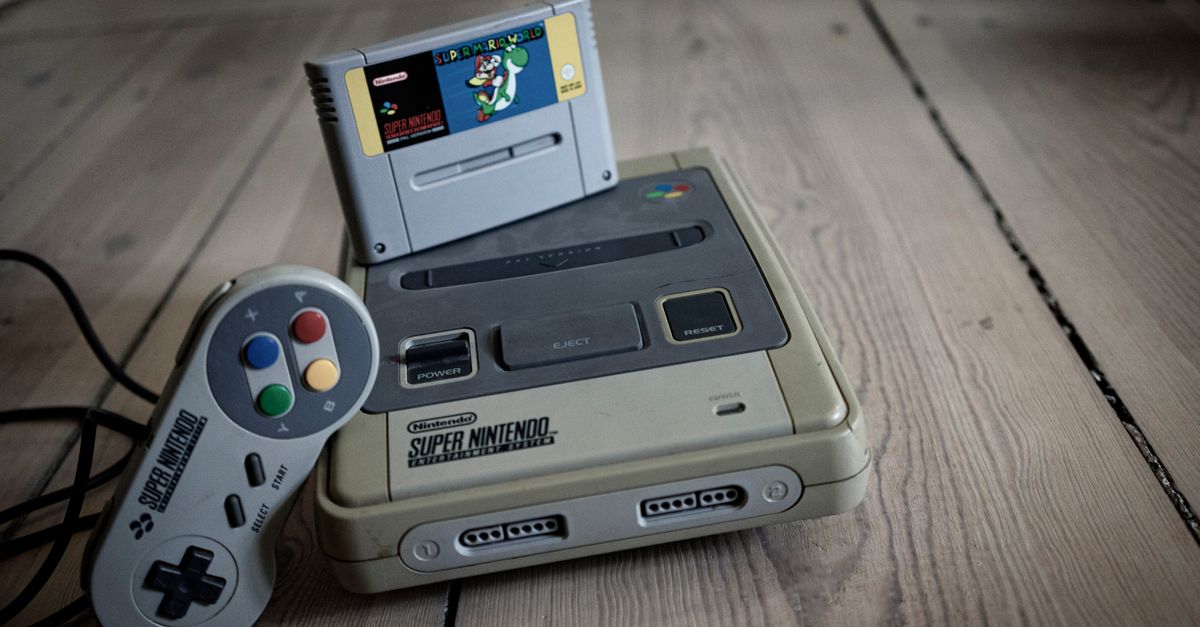

The rivalry between Nintendo and Sega in the late 1980s and early 1990s was more than a corporate fight for market share; it was a cultural flashpoint that defined the childhoods of millions and permanently altered the trajectory of interactive entertainment. The 16-bit “console war” was fought in living rooms, schoolyards, and magazine ads with a ferocity rarely seen since. That battle, though Sega ultimately retreated from the hardware business, introduced the modern concept of the console lifecycle, forced rapid technological innovation, and set the standard for how games are marketed and consumed today. Understanding this period is essential to understanding why the gaming industry behaves the way it does in the present.
The Genesis of the Rivalry: From Underdog to Challenger
{ "text": "Per comprendere la guerra, bisogna prima comprendere l'asimmetria del suo inizio. Nel 1989, Nintendo godeva di un quasi monopolio sul mercato delle console domestiche in Nord America,
Sega entrò nell'arena come un disperato sfavorito. Il loro Master System era stato schiacciato dal NES, e la loro divisione nordamericana stava perdendo soldi a fiumi. Il lancio del Sega Genesis nel 1989 fu una scommessa calcolata. L'hardware era tecnicamente superiore al NES, offrendo grafica a 16-bit e un processore più veloce, ma le specifiche tecniche da sole non bastavano per detronizzare un titano. La prima grande vittoria di Sega arrivò nel 1991 con l'uscita di Sonic the Hedgehog. Ecco una mascotte che era tutto ciò che Mario non era: spavaldo, veloce e figo. Sonic non era solo un gioco; era una filosofia. Rappresentava una generazione di ragazzi che volevano velocità, atteggiamento e un dito medio alla presunta educazione della mascotte Nintendo.
{ "testo": "Il cambiamento strategico fu profondo. Sega non tentò di sfidare Nintendo sul suo stesso terreno. Piuttosto, si posizionò come l'alternativa audace e ribelle. Mentre Nintendo presentava Mario come un eroe sano e alla mano, Sega proponeva Sonic come un'icona di velocità e ribellione. Questa bipartizione dell'identità costrinse una generazione di giocatori a scegliere non solo una console, ma un'identità. L'hardware era quasi secondario; lo spirito era primario." }
{ "Marketing Wars: Blast Processing and the Art of the Attack Ad": "Guerre di marketing: Blast Processing e l'arte dello spot d'attacco" }
The console war was fought as much in advertising boards as in code. Sega’s advertising arm, led by the legendary Tom Kalinske and his team, executed one of the most aggressive and effective marketing campaigns in the history of consumer electronics. The slogan “Genesis does what Nintendon’t” was a direct, unsubtle assault on the incumbent. It was copied onto stickers, printed on fast-food cups, and shouted in commercials. The message was simple, memorable, and divisive.
Central to Sega’s claims was “Blast Processing,” a term used to describe the Genesis’s higher clock speed. While technically a marketing spin on the CPU’s throughput, it effectively communicated a tangible difference to consumers: Sega games were faster, more intense, and did not have that Nintendo “sluggishness.” This was a brilliant piece of misdirection, implying that all Genesis games were inherently speedier, regardless of how they were actually coded. The technical reality was complex, but the emotional message was simple: Nintendo was for babies, Sega was for the rest of you.
Nintendo, initially complacent, was forced to respond. Their marketing shifted from purely family-centric ads to a direct rebuttal, with the SNES’s “It Does Everything” campaign and the iconic “Play It Loud” commercials featuring rock musicians. However, Nintendo was always playing defense in the court of cool. Sega’s tactics also pushed the industry toward an era of unprecedented “spec war” rhetoric. The focus on processor speed, color palettes, and audio channels became a standard parlance for gamers, a language that persists today in the spec-sheet comparisons of modern consoles. It was Sega, not Nintendo, who taught the average consumer that the hardware’s internals really mattered.
The Games That Defined the Fight
Beyond the hyperbole of the marketing departments, the war was won and lost on the strength of the software lineup. The rivalry produced some of the most enduring titles in gaming history, and decades later, the legacy of these franchises still dominates the front pages of digital storefronts.
- { "Platformers:": "Giochi a piattaforme:" } Sonic the Hedgehog 2 and its “spin dash” mechanic made speed a tactile pleasure, while Super Mario World on the SNES countered with map design complexity that rewarded meticulous exploration. The contrast was stark: one was a sprint, the other a puzzle box.
- {"text": "Sport e Arcade:"} Sega had a decisive early advantage in arcade-perfect conversions. Games like NBA Jam and Mortal Kombat ran more faithfully on the Genesis, and the lack of restrictive content policies allowed Sega to ship the bloody “Kano Fatality” that Nintendo infamously removed from the SNES version.
- {"RPGs:": "GDR:"} { "translation": "Nintendo contrappose alla forza arcade di Sega la profondità. Il boom dei GdR a 16 bit, guidato da Final Fantasy II e III (IV e VI in Giappone) su SNES, creò un pubblico occidentale dedicato ai giochi di ruolo giapponesi. Phantasy Star IV di Sega fu ammirevole, ma il volume e la qualità dei titoli Square e Enix diedero a Nintendo quasi un monopolio nel genere." }
- {"The Mascot Duel:": "Il duello delle mascotte:"} The most important clash was the mascot fight. Sonic & Knuckles, with its locking cartridge gimmick, is still regarded as one of the most innovative pieces of physical game design ever created, allowing players to connect the cartridge to a previous title to unlock new content.
This software rivalry directly sped up the iteration cycle of the industry. When one side released a killer app, the other side was forced to respond within a matter of months, not years. This constant pressure made the 16-bit era the most prolific period for game development that the industry had ever seen, and arguably, still the most prolific per capita.
{"translation": "Plasmare il settore: l'eredità della competizione bipartitica"}
{"The most profound structural impact of the Nintendo-Sega war was the normalization of the two-party console market.": "L'impatto strutturale più profondo della guerra tra Nintendo e Sega fu la normalizzazione del mercato console bipartitico.", "Before this era, Atari's crash had made the entire industry wary of unregulated competition.": "Prima di quest'epoca, il crollo di Atari aveva reso l'intero settore diffidente verso una concorrenza non regolamentata.", "Nintendo rebuilt the market on the back of total control.": "Nintendo ricostruì il mercato basandosi sul controllo totale.", "Sega's incursion proved that the market was big enough for a challenger, provided that challenger had a distinctly different value proposition.": "L'incursione di Sega dimostrò che il mercato era abbastanza grande per un contendente, a condizione che quest'ultimo offrisse una proposta di valore nettamente diversa."}
The battle also forced a permanent overhaul of the third-party licensing model. Sega’s willingness to sign exclusivity deals with top developers, particularly in the sports genre with EA (which left Nintendo for a lucrative Genesis deal), created a bidding war for content. Publishers suddenly had leverage; they could threaten to jump ship to the rival console. This dynamic, whereby publishers hold independent sway over hardware manufacturers, remains a defining feature of the modern industry, seen in the Sony-Microsoft dynamics around studios like Final Fantasy and Call of Duty.
Furthermore, the 16-bit war produced several negative aspects that became industry norms: the console war’s toxic tribalism, the “shill” mentality among fans, and the practice of “port-bashing” to validate one’s own purchase. The term “Nintendo fanboy” and “Sega fanboy” entered the lexicon, creating a precedent of console tribalism that persists today, albeit now amplified by social media algorithms. The 16-bit era did not just show what technology could do; it showed what consumers were willing to fight about.
The Aftermath and Lessons for Modern Gaming
Sega’s catastrophic failure with the Sega Saturn, followed by the premature discontinuation of the Dreamcast in 2001, ended the war with a decisive sign of surrender. Sega exited the hardware arms race, becoming a third-party software vendor. Yet, the echoes of its strategy still resound. When Microsoft entered the market with the original Xbox in 2001, they directly copied Sega’s playbook: aggressive specs, multi-player focus, and “hardcore” positioning to unseat the market leader. Similarly, Sony’s early successes were built on courting the exact third-party developers that Sega had alienated in the mid-90s.
The modern console war between Microsoft, Sony, and Nintendo is, in many respects, the same war with new banners. The race for the highest frame rates, the exclusivity arms race, the hype around generational leaps—all of these tropes were codified between 1989 and 1995. The entire concept of a “generation” as a discrete 5-6 year unit of commercial relevance was also established by this rivalry, as the Super Nintendo and Genesis were the first consoles to effectively “expire” due to the pressure of the competition, being replaced by the PlayStation and Saturn in the mid-90s.
For modern gamers, the most tangible legacy is the preservation of the rivalry’s content. The “remasterization” economy, which currently dominates the industry, owes its existence to this era’s deep catalog of high-concept, mechanics-driven games. The success of Sonic Mania and the Super Mario 3D All-Stars collection are reminders that the intellectual property forged in the fires of the console war remains some of the most valuable in the entire industry, proving that built-in fandom is the most sustainable currency a game publisher can have.
Conclusione
La guerra delle console tra Nintendo e Sega non è stata un gioco a somma zero. Sì, Sega ha perso la battaglia hardware, ma la competizione ha costretto Nintendo a uscire dal suo compiacimento aziendale, ha spinto avanti i limiti tecnici di diversi anni e ha creato una generazione di giocatori che si aspettavano dall'intrattenimento più del consumo passivo. La guerra ha insegnato agli editori che l'etica è importante quanto l'hardware e che una mascotte con una personalità può vendere più unità di un chip RAM più veloce. In ultima analisi, il conflitto a 16 bit ha professionalizzato il settore. Ha trasformato il gioco da passatempo a cultura, una cultura che oggi genera più entrate delle industrie cinematografica e musicale messe insieme. Le storie degli spot automobilistici alla velocità di Sonic, le bugie del "Blast Processing" e la sensazione di fissare la cartuccia grigia del Super Nintendo mentre il tuo amico si vantava del suo Genesis non sono solo nostalgia. Sono i ricordi fondanti su cui è stato costruito il panorama videoludico moderno, globale e multimiliardario. La guerra è finita, ma la sua architettura ospita ancora tutti noi.