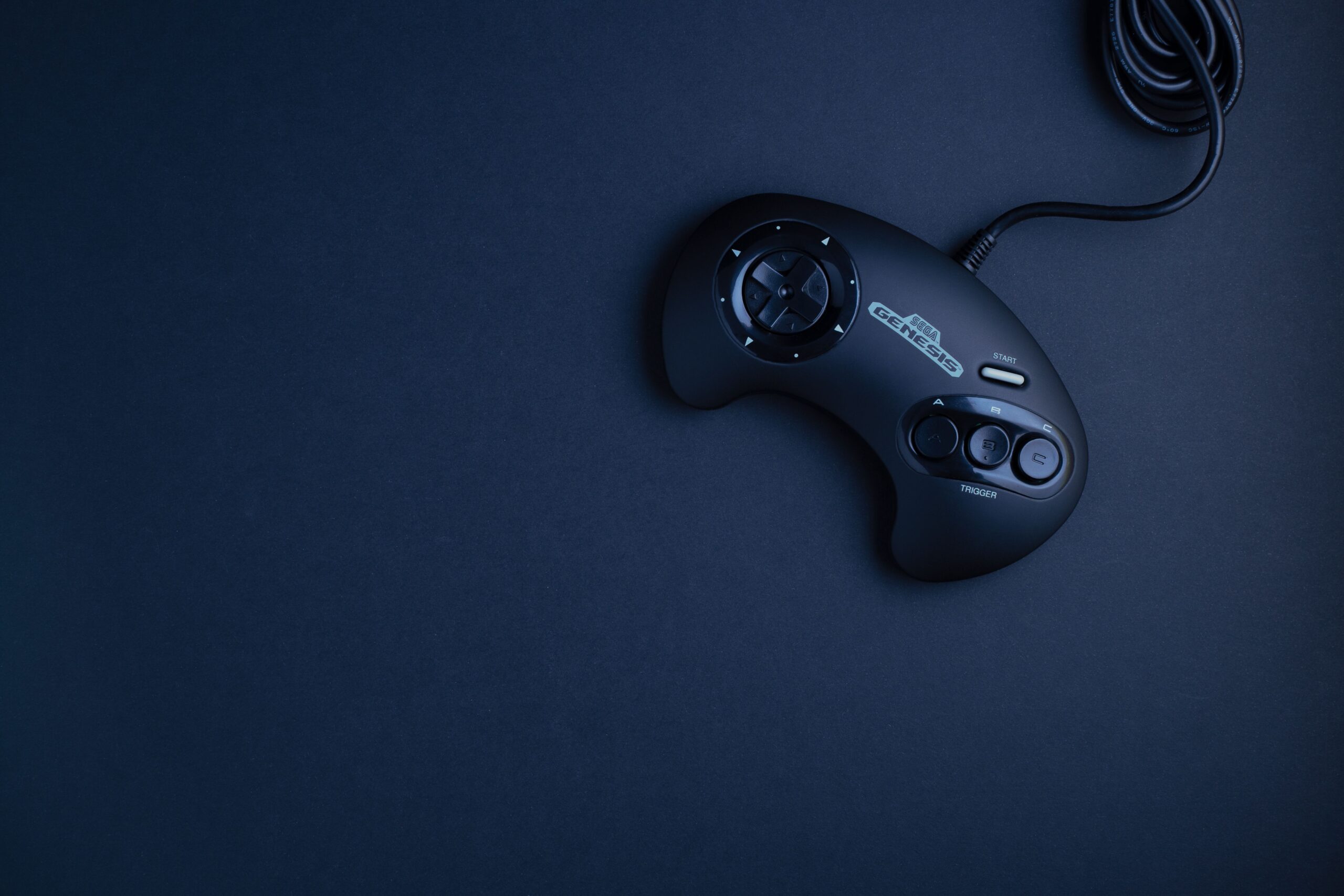

There is a moment every retro player knows. You hook up the console, the game loads, and then your hand reaches for a controller that feels wrong, too small, too stiff, or worn down after thirty years of service. The controller is the only thing between you and the game, and it is the one piece of retro equipment most players get wrong. Some spend a fortune chasing original pads, others buy the first cheap replica they see and wonder why platformers feel like wading through mud. This guide is the honest breakdown I wish someone had given me years ago: which retro controllers are worth buying, which modern replacements actually beat the originals, and exactly how much you should pay for each.
Why the Controller Matters More Than the Console
Here is the truth nobody tells you about retro gaming. The console is the easy part. You can buy a clean NES, a working SNES, a chipped PS1, and the games will load, but if the controller is bad, the whole experience collapses. Old games were designed around their pads. A NES game expects that rigid D-pad click, a Saturn game expects that awkward six-button layout, a Nintendo 64 game expects the three-handed grip that made the pad famous. When you substitute a wrong-feeling controller, you are not just playing with different plastic; you are playing a slightly different game. Muscle memory is the entire skill in most retro titles, and the controller is where that memory lives. That is why the best single upgrade to any retro setup is not a better console or a fancier cable, it is the right controller in your hands.
The Three Ways to Get a Retro Controller
Every retro controller on the market falls into one of three categories, and knowing which one you are buying is half the battle. The first is the original pad, a genuine 1980s or 1990s controller in used condition. The second is the licensed or premium modern recreation, like the controllers 8BitDo makes or the officially licensed pads from Retro-Bit and Hyperkin. The third is the cheap replica, the five-euro knock-offs that fill marketplace listings and break within weeks. Each has a role, but they are not interchangeable. Originals offer the most authentic feel but cost money, show wear and need adapters for modern hardware. Modern recreations often play better than the originals ever did, with proper triggers, wireless and build quality that survives daily use. Cheap replicas are the trap, they look right in the photo and feel wrong in the hand, and you will almost always end up buying the quality option anyway.
NES Controllers: Keep It Simple
The NES pad is the grandfather of every controller here, and its genius was simplicity. Two buttons, a D-pad and Start and Select. That D-pad, with its rigid plastic rocker and crisp click, is still one of the best ever made, which is why emulator fans and modern manufacturers still copy it. For original hardware, a genuine NES controller in good condition is the real deal, but the internal rubber membranes wear out, and a tired pad makes the D-pad feel mushy. The honest fix is either a refurbished original or a quality recreation. 8BitDo sells the N30 pad in both wired and wireless versions, with a proper SNES-style layout that keeps the classic feel, and the wireless version works on original NES hardware with the right receiver. Expect to pay ten to twenty euros for a used original, and around thirty to forty for a new quality recreation.
SNES Controllers: The Gold Standard
If there is one controller every retro player should own, it is the SNES pad. The shoulder buttons, the convex and concave face buttons, the famously smooth D-pad, it all came together in a design so good that Nintendo barely changed it for thirty years. The original SNES controller is worth owning, and in Europe the PAL version with its rounded bottom is the one to look for. But the modern options are genuinely excellent. The 8BitDo SN30 Pro is the best controller for retro games on modern hardware, full stop, with the classic layout plus analog sticks, and the SN30 2.4G works on original SNES consoles with a receiver. For a wired modern recreation, the Retro-Bit SNES pad is cheap and solid. Prices: a used original runs fifteen to thirty euros depending on condition, and a new SN30 Pro costs around forty-five. If you only buy one controller for your entire retro hobby, this is the one.
Mega Drive Controllers: D-Pad and Six Buttons
Sega’s Mega Drive had two classic controller designs, and the one you want depends on the games you play. The three-button pad is the iconic one, with its sleek rounded shape, and it is perfect for Sonic and simple platformers. The six-button pad, introduced later, adds a second row for fighting games, and it is the better choice for Street Fighter II and most competitive titles. On original hardware, either works, but the six-button is the more versatile pick. For modern players, the Retro-Bit Official Sega controllers are the honest best choice, available in wired, wireless and six-button versions, with a genuine Sega licence and a quality feel that respects the original design. Used originals cost ten to twenty-five euros, while the Retro-Bit wireless six-button runs about thirty-five. Whatever you choose, avoid the cheap three-button replicas, which have stiff D-pads that ruin the very games they are meant for.
Nintendo 64 Controllers: The Trickiest Purchase
The Nintendo 64 controller is the hardest one to buy well, and for a simple reason: its analog stick. The original stick wears down, develops drift, and eventually becomes loose and unreliable, and because the stick is the heart of the pad, a worn N64 controller is worse than useless. The honest advice is to treat original N64 pads with suspicion unless the stick is tight, and to be ready to pay a premium for a genuinely good one. The modern answer is the Wireless Brawler64 from Retro-Bit, which fixes the stick with a modern design, adds proper handles, and works on original hardware. It does not feel exactly like the original, and purists will notice, but it plays better and lasts longer. Used originals in good condition cost thirty to sixty euros, while a Brawler64 runs about thirty-five. If you mainly play Mario 64, GoldenEye or Ocarina of Time, the Brawler64 is the sensible buy.
PlayStation and Saturn Controllers: The Confusing Years
The mid-90s were a mess of controller shapes, and two of them deserve your attention. The PlayStation pad set the template for modern controllers, and original PS1 and PS2 pads are reliable and cheap, though the D-pad on early PS1 pads is stiffer than later revisions. A used PS1 pad costs five to fifteen euros, which makes originals the obvious choice, and any PS2 pad also works on a PS1. The Saturn is the opposite story. Its six-button pad is beloved for fighting games, but originals are scarce and expensive, and the D-pad is unique enough that nothing else feels quite like it. The honest recommendation is the Retro-Bit Saturn pad, licensed by Sega, available wired and wireless, which reproduces the layout faithfully and works on original hardware and on PC. If you play Saturn games at all, budget around forty euros for the Retro-Bit rather than chasing a fragile original.
Modern Controllers for Emulation and Modern Consoles
If you play retro games through emulation on a PC, a Steam Deck or a modern console, the rules change completely. You are not bound to the original pad, and the best controller for the job is often a modern one. For PC emulation, the 8BitDo Pro 2 is the closest thing to a perfect retro controller, with the classic layout, analog sticks, adjustable triggers, and support for Windows, macOS, Android and the Switch. For the Nintendo Switch, which now hosts a large library of retro titles through NSO and re-releases, the SN30 Pro or the official NSO controllers are the picks, and the wireless N64 controller for NSO is a faithful recreation that works on Switch and PC. For PlayStation modern consoles, the Retro-Bit and 8BitDo ranges cover most needs, and the 8BitDo M30 is the best Sega-style pad for emulation on any platform. The golden rule is simple: buy a quality modern pad for emulation, and keep originals for the authentic experience on real hardware.
Wireless vs Wired: The Honest Trade-Off
Everyone wants wireless, and this is the one question where I will give you a different answer depending on how you play. For daily use on a modern TV or a PC, wireless is worth it, and modern wireless pads from 8BitDo and Retro-Bit have latency low enough that most players cannot measure it. For competitive play, for fighting games, and for speedrunning, wired is still the honest choice, because it removes the variable entirely and costs less. On original hardware, check how the wireless works before you buy: some modern pads need a receiver that plugs into the console port, which is fine, while others emulate a specific protocol and may not work on every revision. My practical advice is to go wireless for convenience on everything except your fighting game setup, where a wired pad is worth the cable.
What to Pay: A Price Guide for Every Pad
Prices for retro controllers are all over the place, and getting ripped off is common. Here is the honest price guide I use, for original pads and quality modern recreations, so you know before you click buy. For a used NES pad, ten to twenty euros; for a used SNES pad, fifteen to thirty; for a used Mega Drive three-button, ten to twenty; for a six-button, fifteen to twenty-five; for a used N64 pad with a good stick, thirty to sixty; for a used PS1 pad, five to fifteen. On the modern side, the SN30 Pro costs around forty-five, the Pro 2 around fifty, the N30 about thirty, the Retro-Bit Sega pads thirty to forty, the Brawler64 about thirty-five, and the Retro-Bit Saturn pad about forty. As a rule of thumb, never pay more than sixty euros for a used original, because a quality modern recreation at that price plays better and lasts longer.
| Controller | Original price | Modern recreation | Best for |
|---|---|---|---|
| NES pad | €10–€20 | 8BitDo N30, ~€30 | Classic NES games |
| SNES pad | €15–€30 | 8BitDo SN30 Pro, ~€45 | The best all-round retro pad |
| Mega Drive pad | €10–€25 | Retro-Bit Sega 6B, ~€35 | Sonic and fighting games |
| N64 pad | €30–€60 | Retro-Bit Brawler64, ~€35 | Reliable analog stick |
| PS1 pad | €5–€15 | Any PS2 pad works | Budget play |
| Saturn pad | Scarce, expensive | Retro-Bit Saturn, ~€40 | Fighting games |
| Any emulation | n/a | 8BitDo Pro 2, ~€50 | PC, Switch, mobile |
How to Spot a Bad Replica Before You Waste Your Money
Cheap replicas are the biggest trap in retro controllers, and you can spot them without even opening the box. First, check the price: if a pad costs less than fifteen euros new, it is almost certainly a replica, and the D-pad will be the giveaway, stiff, imprecise, and prone to false diagonals. Second, look at the buttons: cheap replicas have hollow, rattly buttons with uneven travel, and the lettering fades or shifts. Third, check the weight: originals and quality recreations have a solid heft, while replicas feel hollow and plasticky. Fourth, read the reviews for the phrase everyone posts when it fails, “worked for two weeks”. My honest advice is that a cheap replica is not a saving, it is a deposit on the quality controller you will buy when the replica breaks, so skip the step and buy the right pad once.
Frequently Asked Questions
Are modern retro controllers as good as originals?
Often better. Modern recreations from 8BitDo and Retro-Bit have cleaner D-pads, proper triggers, wireless options and build quality that survives daily use, and they fix the weaknesses of the originals, like the N64 analog stick. For the most authentic experience you still want an original, but for daily play the modern pad usually wins.
Can I use a retro controller on a modern console or PC?
Yes. Most quality recreations work on PC, Switch and modern consoles out of the box, and adapters like the ones from 8BitDo let you plug original controllers into modern hardware. The same pad can serve both your original console and your emulator setup.
What is the best retro controller for emulation?
The 8BitDo SN30 Pro for the classic feel, or the Pro 2 if you want more buttons and analog triggers. Both cover PC, Switch, Android and macOS, and their D-pads are accurate enough for the most demanding retro games.
Why is the N64 controller so expensive and hard to find?
Because the original analog stick wears out and good examples are getting rare. A pad with a tight stick is worth the premium, and if you want reliability without the collector price, the Brawler64 is the honest alternative.
Should I buy a wireless or wired retro controller?
Wireless for daily convenience, wired for competitive play, fighting games and speedrunning. Modern wireless latency is good enough for most players, but a cable removes the variable completely and costs less.
Do I need to keep my original controllers?
Yes, if they work. Originals are the most authentic experience and they hold their value, so keep the pads you already own in good condition and buy modern recreations only to expand or replace what is worn out.
Your Hands Know the Answer
After years of testing original pads, modern recreations and more replicas than I care to admit, the honest conclusion is simple. The best retro controller is the one that disappears in your hands, the pad you stop thinking about within two minutes of playing. For most people that means a quality modern recreation like the SN30 Pro or the Pro 2, with an original SNES pad kept for the days when only the real thing will do. Buy the right pad once, take care of it, and it will outlast every console you plug it into. The games have waited decades for you; the least you can do is play them on a controller that deserves the compliment.