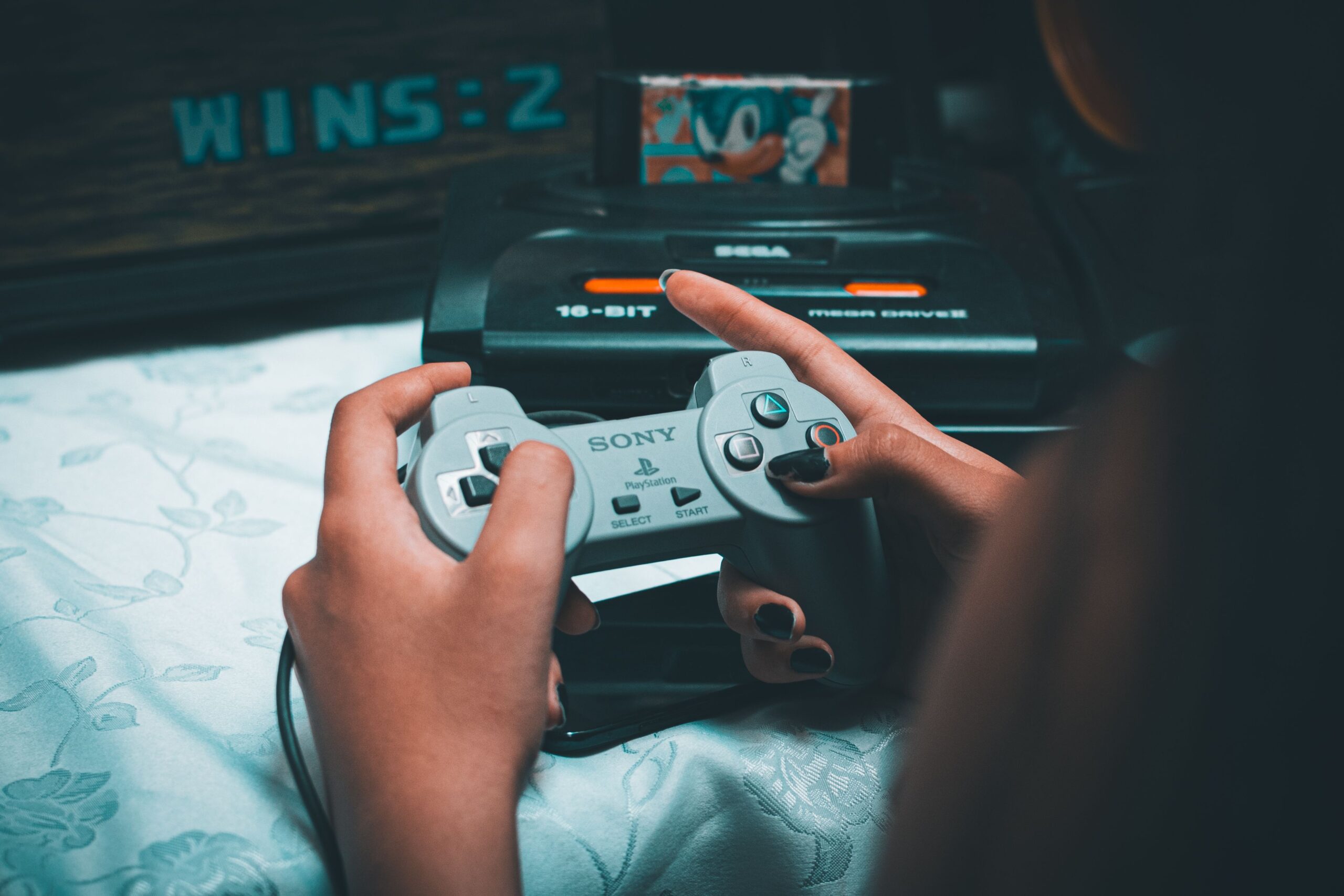

Yes, retro consoles with built-in games are worth buying in 2026 — but only the licensed ones. The category splits into two very different worlds: official mini consoles like the NES Classic and the Sega Genesis Mini, which ship with curated, licensed libraries, and cheap clones that promise “50000 games in 1” and deliver emulation so rough it borders on fraud. The difference is not price. It is a question of whether the games you love are actually playable, and whether the people who made them get paid. This guide ranks the best retro consoles with built-in games, explains what the clones are really selling, and tells you exactly what to look for before you spend a single euro.
A Short History of the Plug-and-Play Console
Retro consoles with built-in games are older than most people think. The story begins in 2004, when Atari launched the Flashback, a small joystick-shaped box with twenty games soldered onto a single chip. It was crude by modern standards — the emulation was mediocre and the game list was padded — but it proved something important: there was a market for nostalgia that did not require digging original hardware out of an attic.
Between that first Flashback and the 2016 Nintendo wave sat a decade of cheap “TV games” — joysticks and gamepads stuffed with a handful of pirate NES games, sold in supermarkets for pocket money. They were the direct ancestors of today’s 50000-in-1 boxes: the same generic chip, the same unlicensed ROMs, the same belief that quantity beats quality. The Atari Flashback proved licensed nostalgia could sell; the NES Classic proved it could sell out. Everything in between was a bootleg wearing a supermarket label.
The second wave came from Nintendo in 2016. The NES Classic Edition, a palm-sized replica of the 1985 console with thirty games inside, sold out within hours and stayed impossible to find for over a year. Scalpers asked triple the price. Nintendo had to suspend production twice to fix shortages, and the company’s own president apologized publicly. Nobody had predicted that a fifty-dollar miniature could outsell the consoles of its own era, but the numbers were undeniable: the NES Classic alone sold over 3.5 million units by 2017.
That shortage created the modern template. Sony followed with the PlayStation Classic in 2018, Sega with the Genesis Mini in 2019, and Konami with the PC Engine Mini the same year. The message was clear: a licensed mini console with a curated game list is one of the safest ways to relive the past, because the emulation is tested and the licenses are real. Every official release since has measured itself against the NES Classic’s combination of design, game quality, and that famous rewind feature.
What Makes a Built-In-Games Console Good — or Bad
Before the ranking, the criteria matter, because the clones and the official consoles are judged differently. Here is what actually separates a great retro console with built-in games from a disappointment:
- The game list is licensed. Official minis license every title. Clones do not, which is why they never include the games you actually want to play — no Mario, no Zelda, no Sonic, no Street Fighter. The 50000-in-1 boxes are filled with unlicensed titles and obscure arcade bootlegs.
- The emulation is accurate. Official minis run each game through a tested emulator tuned per title, with correct colors, sound, and speed. Most clones use a single generic NES-on-a-chip design that runs every game at the wrong speed with missing sound channels.
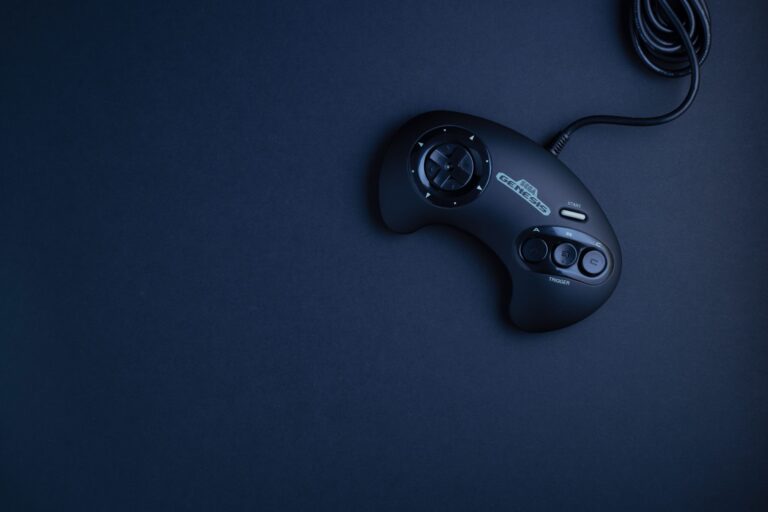
- The hardware feels right. The NES Classic controller is a faithful reproduction. The Genesis Mini ships with a proper six-button pad. Clones ship with cheap gamepads that break within weeks and input lag that makes platformers unplayable.
- There are modern conveniences. Save states, rewind, and CRT-style filters matter more than game count. The SNES Classic’s rewind feature alone justifies its price for players who grew up on brutally hard platformers.
- You can plug it into any modern TV. HDMI output is standard on every official mini. A surprising number of clones still ship with composite-only outputs that look terrible on a 4K panel.
Keep that list in mind and the market sorts itself out. Game count is the clone’s only argument, and it is a lie: you do not get 50000 playable games, you get fifty of the same bootleg repeatedly with different names.
The Best Retro Consoles with Built-In Games, Ranked
This ranking weighs licensed library quality, emulation accuracy, hardware, and how the console holds up in 2026. It is the shortlist I would give a friend, not an exhaustive catalog.
1. Sega Genesis Mini
Sega learned from Nintendo’s mistakes and shipped a near-perfect console. The Genesis Mini includes 42 games in the original version — Sonic the Hedgehog, Streets of Rage 2, Gunstar Heroes, Castlevania: Bloodlines, and the rare region-locked Musha — and Sega later released a second edition with 16 more. The emulation is excellent, the six-button controller is authentic, and you can change regional versions of games from the menu. In 2026 it is still the best value in the category.
2. SNES Classic Edition
Nintendo’s 2017 follow-up fixed everything the NES Classic lacked: two controllers in the box, a rewind feature that lets you step back through the last few seconds of play, and a library that includes Super Mario World, The Legend of Zelda: A Link to the Past, Super Metroid, and Final Fantasy VI. The emulation is the most accurate of any mini console ever shipped. The only flaw is the library size — 21 games feels small once you remember the SNES catalog, though it is hard to argue with a list that contains zero filler.
3. NES Classic Edition
The console that started the mini revolution is still excellent, with Super Mario Bros. 3, The Legend of Zelda, Metroid, Castlevania, and Punch-Out!! in the original 30-game lineup. It lacks rewind, and its single controller is too small for adult hands, but the emulation is solid and the nostalgia value is unmatched. If you find one at the original price, it is a no-brainer.
4. Evercade (and the EXP/VS range)
Evercade is the outsider that refuses to die, and that is its charm. Instead of one fixed library, it uses cartridges sold separately — each cart contains a licensed collection, from Capcom arcade games to Atari and Namco — and new carts still appear every year. The EXP is a great handheld, the VS is the home version with four controllers, and both have HDMI output and save states. It is the best choice if you want variety beyond one console’s library, and the cartridge format means the collection keeps a physical value you can trade.
5. Atari Flashback series
The longest-running line of retro consoles with built-in games. The modern Flashback models mix the classic 2600 games with reimagined versions, and the 12 and 9 models added HDMI and wireless controllers. The games are primitive by design — this is Atari, after all — but for 2600 and arcade-era fans it is the only licensed home for those classics.
6. PC Engine Mini
Konami’s miniature reproduces the cult favorite PC Engine (TurboGrafx-16 in North America), with 57 games across three regional versions and a stunning library of shooters — R-Type, Gradius, Soldier Blade — that no other mini can match. It was a limited release in the West and prices have climbed since. Worth it for shoot-’em-up fans, hard to justify for everyone else.
7. PlayStation Classic (with caveats)
The PlayStation Classic is the cautionary tale of the category. Sony packed it with 20 games but chose PAL versions for many of them, which run slower and letterboxed on modern TVs. Final Fantasy VII and Tekken 3 are there, but the execution feels unfinished. It is cheap now — often under 30 euros — and moddable, which saves it. As a stock product it is the weakest official mini ever shipped.
The Best Retro Consoles with Built-In Games at a Glance
| Console | Year | Games | Standout feature | Best for |
|---|---|---|---|---|
| Sega Genesis Mini | 2019 | 42 | Authentic six-button pad, regional versions | Best overall value |
| SNES Classic | 2017 | 21 | Rewind, two controllers, best emulation | Nintendo 16-bit fans |
| NES Classic | 2016 | 30 | Iconic library, replica design | 8-bit nostalgia |
| Evercade EXP / VS | 2020-2024 | Cartridge-based | New licensed carts every year | Variety seekers |
| Atari Flashback 12 | 2023 | 50+ | Wireless controllers, HDMI | Atari and arcade fans |
| PC Engine Mini | 2020 | 57 | Best shooter library ever | Shoot-’em-up collectors |
| PlayStation Classic | 2018 | 20 | Cheap, moddable | PS1 fans who like tinkering |
If you only buy one, buy the Genesis Mini. If you want Nintendo, get the SNES Classic. If you want a platform that keeps growing, get an Evercade.
The 50000-in-1 Clones: Why Cheap Is Not a Bargain
Now the part every shopping guide skips, because it is the part the market wants you to ignore. Type “retro game console with built in games 50000” into any marketplace and you will see dozens of boxes promising tens of thousands of games for under forty euros. Here is what is actually inside them.
Those consoles run on a single generic chip that emulates the NES — not well, but recognizably — and pads the count by listing every bootleg and hack the manufacturer could find, often the same game dozens of times under different names. The famous “50000 games” figure usually collapses to a few hundred unique titles, most of them mediocre. The sound is wrong, the speed is often slightly off, and there is no licensing anywhere in the chain: the games are distributed without permission, the way the sites we covered in our guide to playing retro games online distribute their ROMs, just in physical form.
A 50000-in-1 console is not a bargain; it is a bootleg that pads its library with duplicate titles and unlicensed ROMs. There are two legitimate reasons people still buy them — price and convenience — and both vanish the moment you compare them with a licensed mini. The Genesis Mini costs more, but it plays Sonic correctly, with a proper controller, and the people who made the games get paid. Run the math and the gap is smaller than the sticker price suggests: a 50000-in-1 box costs thirty to forty euros and plays badly; a discounted Genesis Mini costs around seventy and plays perfectly. The difference is one month of skipped coffee, for a console you will keep for years.
The one exception worth naming: some clone consoles use flash memory and let you load your own legally obtained ROMs. If you go that route, you are effectively buying a cheap emulation box, and it can be fun. But do not confuse “I loaded my own games” with “the included games are legal.” They are not.
How to Pick the Right One for You
You now have the full picture, so here is the decision process in five questions:
- Which console did you grow up with? Nintendo kids get the SNES or NES Classic. Sega kids get the Genesis Mini. Atari kids get the Flashback. The best console is the one with your childhood games.
- Do you want one library or a growing one? Fixed minis are set in stone. The Evercade keeps adding licensed carts, and its library already spans several publishers and systems.
- Do you want to tinker? The PlayStation Classic and the Evercade VS both have active modding scenes. The Genesis Mini does too, and its hack scene expanded the library well beyond the stock 42 games.
- What is your TV setup? Every official mini outputs HDMI and includes filters for CRT-style scanlines. If you play on a monitor, look for a console with adjustable display modes.
- Do you want it to work without a phone? Every official mini is offline and ready to play the moment you plug it in. That is a real feature: no accounts, no updates, no subscription nagging. If that sounds relaxing, the category is exactly what you are looking for.
One final piece of advice: check current prices before buying, because the market fluctuates. The NES Classic’s price spiked to triple its launch value during the shortage years and has settled since; limited runs like the PC Engine Mini only get more expensive. If a retro console with built-in games is still available at its original price, buy it now — the short-supply games of 2016 taught us that waiting costs money.
Frequently Asked Questions
Are retro consoles with built-in games legal?
Yes, if they are official. Licensed minis like the NES Classic and Genesis Mini license every game they include. Unlicensed clones that advertise thousands of games distribute ROMs without permission and are not legal, which is why they never feature Mario, Zelda, or Sonic.
Which retro console has the most built-in games?
Among official consoles, the PC Engine Mini has the largest fixed library with 57 games across its three regional versions. The Evercade family surpasses it over time because it accepts new licensed cartridges, and its combined catalog already passes two hundred games.
Is the NES Classic still worth buying in 2026?
Yes, at its original price. The 30-game library is excellent and the emulation is accurate. It lacks rewind and its controller is small, so if those matter to you, the SNES Classic is the better Nintendo choice.
Do mini consoles work on modern 4K TVs?
Yes. Every official mini console connects via HDMI and renders at a resolution your TV handles natively, with optional CRT filters for scanlines. Some clones only offer composite output, which looks blurry on modern panels — check the outputs before buying.
Are mini consoles better than a Raspberry Pi with RetroPie?
For most people, yes. A mini console works out of the box, ships with a curated licensed library, and never needs maintenance. A Raspberry Pi is more flexible — it emulates dozens of systems — but it requires setup, and unless you own the games, loading downloaded ROMs is the same legal grey area as the clones. If you want a shelf object that just works, buy the mini. If you want a tinkering project, get the Pi and load only games you own.
Can I add more games to a mini console?
Officially, no — the libraries are fixed. Unofficially, the Genesis Mini, PlayStation Classic, and NES Classic all have active modding communities that expand the library through software hacks. Evercade is the only official platform where buying new games is part of the design.
Conclusion: The Mini Console Is Here to Stay
Retro consoles with built-in games turned the industry’s history into a product you can put on a shelf, and twenty years after the first Atari Flashback the formula is proven. The licensed minis deliver accurate emulation, curated libraries, and controllers that feel right; the clones deliver padded numbers and bootleg ROMs. The choice has never been about budget. It is about whether you want the memory or the counterfeit.
Here is your move: pick the console from the list that matches your childhood — Genesis Mini for the all-around best package, SNES Classic for Nintendo 16-bit, Evercade if you want a library that grows. Check the current price, buy it while it is close to the original, plug it into your TV, and play one game from start to finish this weekend. That is what these boxes are for.