
What Defines a Great Retro Gaming Handheld Today?
Finding the right retro gaming handheld today comes down to a delicate balance between display fidelity, input latency, and build ergonomics. A top-tier handheld must honor the original presentation of classic games, whether handling crisp 240p integer scaling or matching the native aspect ratio of systems from the 8-bit and 16-bit eras. Players no longer settle for washed-out panels or mushy directional pads that ruin diagonals in precision platformers. Battery life must sustain hours of uninterrupted gameplay, while the internal architecture needs to deliver responsive controls without the distracting lag often found in poorly configured setups.
The divide between authentic processing and software emulation also dictates the modern playing experience. Hardware-level solutions like Field-Programmable Gate Arrays recreate legacy chips without software translation, matching original timing down to clock cycles. Meanwhile, portable devices utilizing front-ends like RetroArch harness libretro cores to provide tremendous versatility, save states, and scanline filters across dozens of platforms on one machine. The ideal handheld depends on whether your priority lies in physical cartridge purity and cycle accuracy or the unmatched convenience of an expansive multi-platform emulation library tucked neatly into your pocket.
Original Hardware Reborn: Upgrading the Game Boy with IPS Kits and Shells
Modifying vintage Nintendo hardware offers an unmatched tactile connection to gaming history, and nothing revitalizes an aging console quite like an aftermarket IPS kit. Installing a modern backlit IPS panel directly replaces the reflective, ghosting-prone original screen found on the classic Game Boy and Game Boy Color. These display kits bring striking color saturation, pristine pixel grids, and customizable brightness settings that make portable titles fully playable under any lighting conditions. While standard drops often claim plug-and-play simplicity, achieving optimal brightness control and wire routing usually requires light soldering and careful alignment inside the frame.
Pairing an IPS upgrade with a fresh aftermarket shell elevates an old, battered unit into a showcase centerpiece. Precision-molded shells provide clean cuts for modern screen lenses without demanding awkward hand-trimming of fragile vintage plastic. It is essential to account for power draw, as modern IPS panels pull considerably more current than unlit original screens, making dependable rechargeable cells a must-have upgrade. The result preserves original CPU silicon and sound chips while eliminating every visual drawback of late-eighties display technology.
EverDrive and Flash Carts: Playing Full Game Libraries on Authentic Silicon
A dedicated flash cart remains the gold standard for enthusiasts who want to enjoy expansive software libraries directly on authentic hardware. Devices like the EverDrive family designed by Krikzz interface with native cartridge slots, reading ROM files stored on a standard microSD card without altering the console circuitry. Instead of wearing down pins on irreplaceable original cartridges or hunting through bloated second-hand markets, players can access hundreds of titles through a clean on-screen navigation menu. The console executes the game data natively, ensuring identical sound balance, proper clock speeds, and zero emulation glitches.
Advanced flash cart models bridge the gap between retro authenticity and modern convenience by incorporating features like instant save states and in-game menu shortcuts. Capturing a snapshot of game memory at any moment allows players to pause unforgiving titles on the go, bypassing strict in-game save points without breaking immersion. Furthermore, quality flash carts safely handle battery saves directly to flash memory, protecting hard-earned progress from dying coin cells. For anyone dedicated to keeping original Game Boy hardware in their daily carry, a robust flash cartridge is easily the smartest investment you can make.
FPGA vs Emulation Handhelds: Precision Hardware Versus Multi-System Versatility
The choice between Field-Programmable Gate Arrays and traditional software emulation represents the most significant technical crossroads for any retro gaming handheld enthusiast. Dedicated FPGA devices, exemplified by the Analogue Pocket, do not execute software translation layers or rely on general-purpose operating systems to mimic old architectures. Instead, an FPGA chip reconfigures its hardware gates dynamically to mirror the exact circuit logic, memory buses, and clock cycles of original console silicon. This circuit-level reproduction eliminates the micro-stutters, frame pacing discrepancies, and perceptible input lag often encountered when software emulators attempt to process real-time audio and video signals simultaneously.
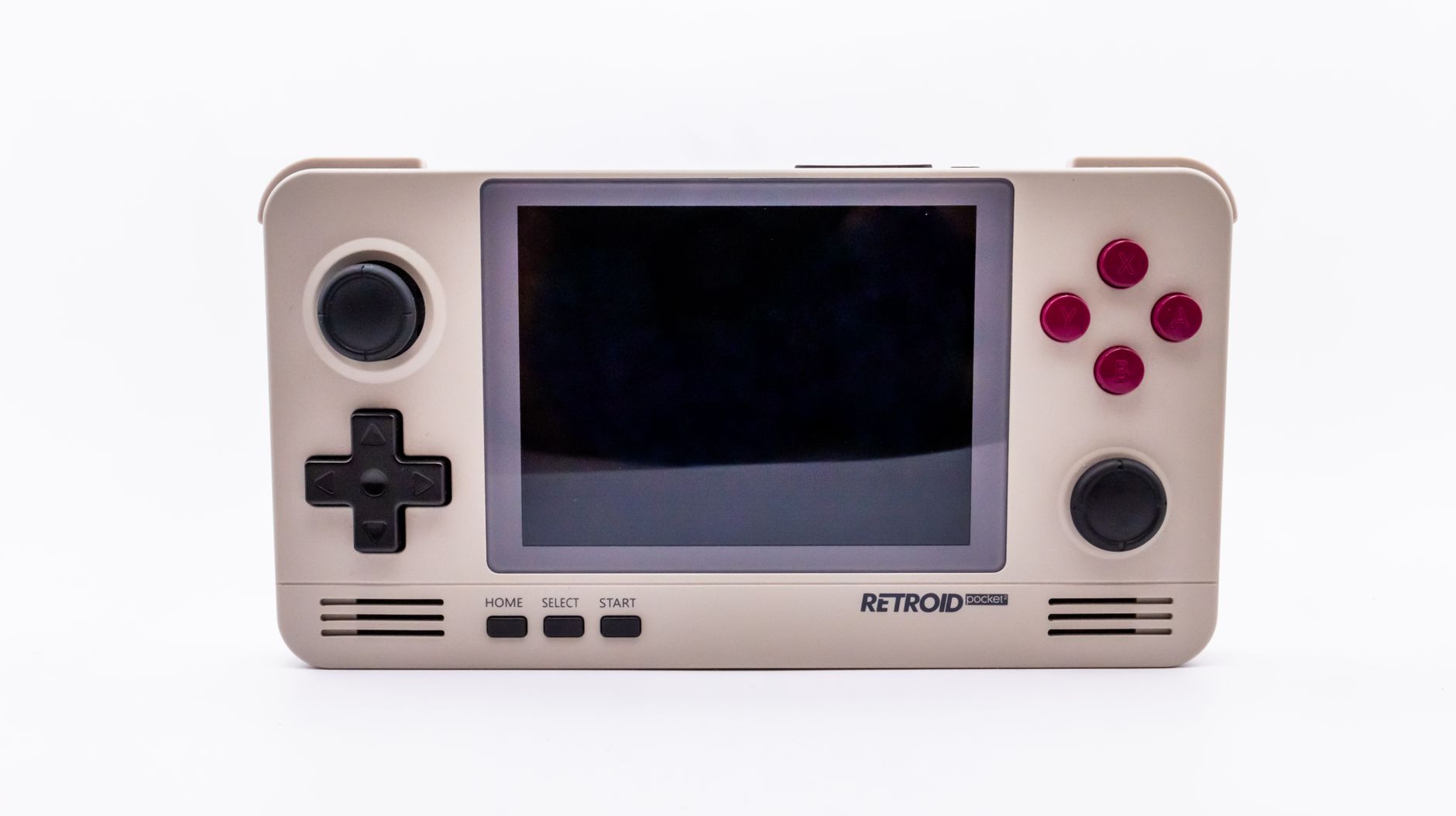
Software-based emulation handhelds strike back with unmatched versatility and accessibility. Running tailored Linux distributions or Android front-ends, these multi-system powerhouses leverage modular libretro cores to handle a sprawling library spanning dozens of platforms on a single pocketable machine. While a high-end FPGA handheld demands substantial financial investment and often requires physical cartridge adapters or specialized core development, software devices offer immediate out-of-the-box convenience. Enthusiasts can jump from an 8-bit Game Boy title to demanding fifth-generation 3D systems while utilizing flexible save states, real-time rewinding, and custom CRT scanline shaders that enhance older visuals on modern displays.
Deciding between these two philosophies hinges entirely on your gameplay priorities. If your focus centers on competitive precision, zero-latency timing, and physical cartridge preservation, an FPGA machine delivers unmatched hardware fidelity. Conversely, players looking for a cost-effective, all-in-one handheld retrogaming device that holds thousands of adventures across multiple console generations will find software emulation platforms far more accommodating for daily travel.
Firmware, RetroArch Cores, and Managing BIOS Files for On-the-Go Play
Unlocking reliable portable performance across diverse retro systems demands a firm understanding of backend software architecture. Modern emulation handhelds rely on streamlined operating systems that boot straight into clean navigation menus, orchestrating software via RetroArch. Operating as an all-inclusive open-source front end, RetroArch interfaces directly with specialized libretro cores, with each core functioning as a dedicated virtual console. Fine-tuning individual core settings allows users to dial in integer scaling, map custom button configurations, toggle display overlays, and set up rapid save state slots that take instant snapshots of your gameplay memory during quick commutes.
Software emulation cannot always bypass native hardware handshakes, which is where system BIOS files become critical. While standard 8-bit and 16-bit cartridges like the NES and Game Boy boot immediately without external assistance, more complex platforms including the original PlayStation, Sega CD, and specific arcade boards demand authentic console firmware to execute games correctly. These copyrighted BIOS images contain the original low-level bootstrap code and must be cleanly dumped from hardware you own before being dropped into the designated system folder on your storage card. Missing or misnamed BIOS assets inevitably lead to black boot screens, broken audio timing, or game-breaking crashes midway through a campaign.
A well-maintained directory structure on a high-speed microSD card is the foundation of a dependable handheld setup. Keeping firmware builds up to date resolves core-specific emulation glitches and improves power efficiency across the board. By establishing an organized system folder with verified BIOS checksums and configuring consistent global hotkeys for save states, you transform a finicky gadget into an exceptionally stable portable arcade ready for uninterrupted on-the-go play.
Buyer’s Evaluation Checklist: Ergonomics, Screen Displays, and Battery Realities
Choosing the ideal retro handheld requires looking past flashy promotional renders and evaluating how the hardware feels during prolonged sessions. Display fidelity serves as the cornerstone of the experience. Classic consoles engineered around 240p progressive signals look disastrous when run through bilinear stretching on sub-par screens. High-quality handhelds feature bright IPS panels or OLED displays with integer scaling options that preserve original pixel grids and prevent blurry image scaling. Whether you are running an aftermarket IPS kit inside an original Game Boy or using an emulation handheld, vibrant color saturation and proper aspect ratio matching ensure games appear exactly as intended.
Ergonomics and control inputs represent the second crucial pillar of your evaluation. The vertical form factor of vintage portable hardware offers classic aesthetic nostalgia, but horizontal chassis layouts often deliver far superior weight distribution that spares your wrists during lengthy platforming marathons. Inspect the directional pad closely: a stiff pivot or mushy membranes can ruin diagonal inputs in fast-paced action titles. Furthermore, the positioning of tactile shoulder buttons, trigger reach, and the physical weight of the casing dictate whether a device rests comfortably in adult hands or causes cramping within thirty minutes of play.
Battery realities must anchor your final purchasing decision. Factory runtime estimates rarely reflect high-drain scenarios involving maximum screen brightness, onboard speakers, and aggressive processor clocks. Upgraded IPS panels on vintage handhelds pull considerably higher current than unlit reflective screens, making dependable rechargeable battery solutions mandatory. Meanwhile, powerful emulation portables require robust power delivery and proper thermal heat dissipation to avoid throttling. Selecting a handheld equipped with modern USB-C charging and a well-ventilated chassis guarantees that your portable gaming sessions remain reliable wherever you travel.