
Understanding the Current State of Retro Game Collecting
Retro game collecting has shifted from a niche flea market hobby into a mature, highly scrutinized marketplace driven by preservation, nostalgia, and hardware accuracy. While early collecting focused purely on accumulating loose cartridges, today’s community places equal value on original condition, verified functionality, and sustainable ownership. The secondary market has experienced sharp price spikes over the past decade, yet discerning collectors now balance physical shelf trophies against practical playback alternatives. Hardware recreation technologies like Field-Programmable Gate Array devices, notably the Analogue Pocket and MiSTer, have demonstrated that cycle-accurate performance can exist without handling delicate thirty-year-old plastic every evening.
This evolving landscape demands a pragmatic mindset. Many enthusiasts now collect select physical titles while relying on flash carts like the EverDrive line by Krikzz to run legitimate backup libraries directly on authentic consoles without causing unnecessary physical wear. Emulation setups running RetroArch cores have also raised the bar for convenience, pushing physical collecting toward intentional, high-quality acquisitions rather than compulsive shelf-filling. Collectors who thrive in today’s environment prioritize verified provenance, inspect motherboard revisions, and acknowledge that physical preservation requires active maintenance, from replacing dying save batteries to managing heat dissipation.
How Real Market Prices Are Determined Across Different Platforms
Accurate valuation in the retro marketplace stems from verified completed transactions rather than speculative active listings. Online auction portals frequently present grossly inflated asking prices for unverified cartridges, leading inexperienced buyers to believe standard releases carry immense premiums. Real market values are defined by recent completed sales, the physical grade of the PCB, label preservation, and regional standard variations. European releases utilizing 21-pin RGB SCART output standards often track completely different valuation curves than their North American or Japanese counterparts due to localization rarities and lower total production runs.
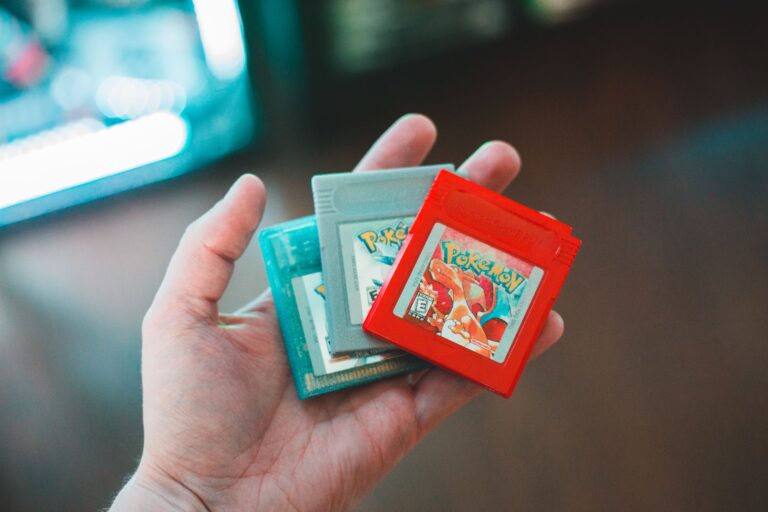
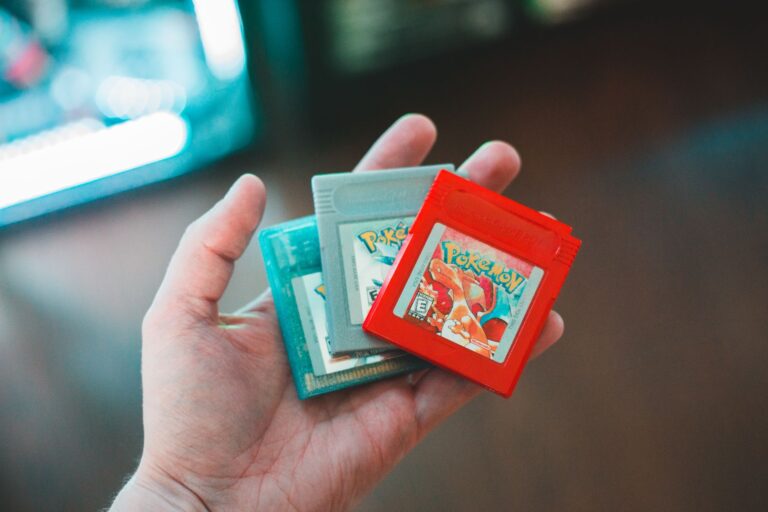
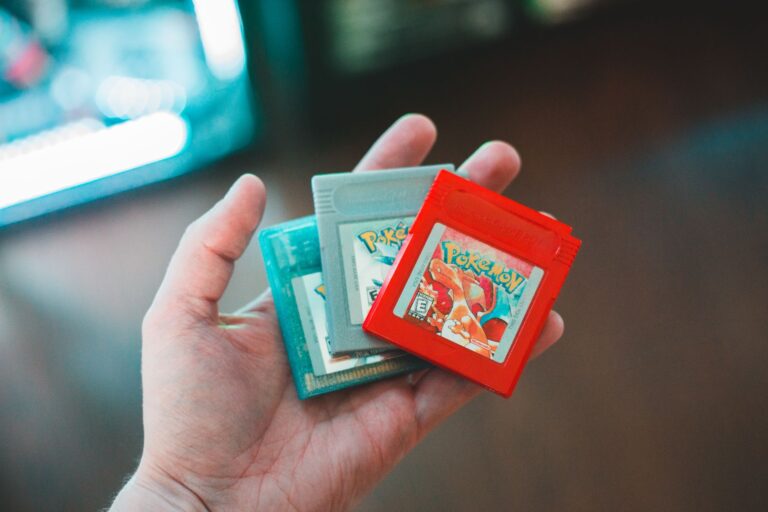
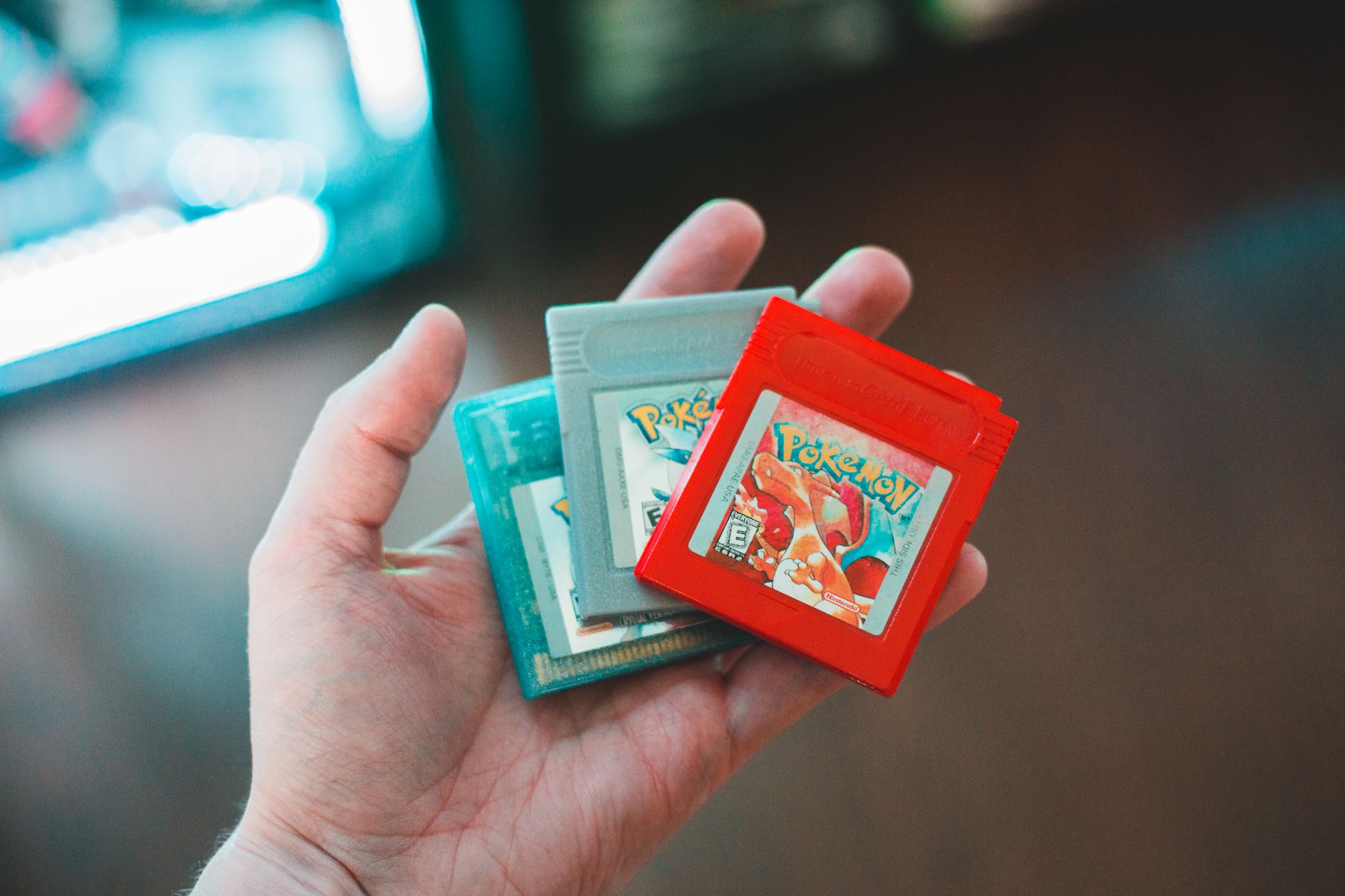
Hardware condition significantly dictates price stability across platforms. Consoles that still deliver clean, uncompromised 240p progressive video to dedicated cathode ray tube displays or modern upscalers command consistent premiums over neglected hardware exhibiting failing capacitors or video interference. Collectors must distinguish between cosmetic wear and functional degradation. A loose Game Boy cartridge with intact pins, clean solder joints, and an authentic shell holds predictable utility value, whereas unverified hardware sold under vague descriptions routinely introduces hidden repair expenses that wipe out perceived purchase bargains.
Where to Hunt: Sourcing Cartridges and Consoles Without Overpaying
Uncovering authentic hardware at fair valuations requires diversifying your sourcing strategy beyond mainstream auction hubs. Local classified listings, regional swap meets, estate sales, and dedicated retro gaming conventions consistently yield fair deals because they cut out platform middleman fees and allow physical inspection before cash changes hands. Look specifically for neglected console bundles labeled as untested or requiring simple cosmetic repairs. A handheld with a dim, scratched screen represents prime territory for an IPS kit screen upgrade, transforming a cheap, overlooked unit into a stunning everyday player with vivid colors and adjustable backlighting.
Developing technical discernment is your greatest defense against predatory markups. Learn to inspect cartridge screw patterns, examine printed circuit boards for counterfeit reproduction markers, and assess whether a console merely suffers from a blown fuse or dry capacitors rather than dead custom silicon. Pairing targeted original hardware purchases with multi-game flash carts allows you to experience expensive libraries authentically without paying speculative collector premiums for every cartridge. By focusing on repairable originals and establishing relationships within local enthusiast groups, you secure exceptional pieces while leaving overpriced speculative listings untouched on digital storefronts.
Condition Matters: Cart-Only vs Complete-in-Box and Display Wear
The price divergence between loose cartridges and complete-in-box copies has widened into an absolute chasm, particularly for systems originally packaged in disposable cardboard. While Sega Genesis clamshells offered durable plastic protection that survived decades in decent shape, cardboard boxes for the Super Nintendo, Nintendo 64, and Game Boy suffered catastrophic mortality rates. A loose cartridge delivers the identical 240p video feed and gameplay experience on a cathode ray tube display as a museum-grade boxed copy, yet a verified original box with inserts, promotional flyers, and an uncreased manual routinely commands a fourfold or fivefold price premium. Discerning buyers must decide whether their objective is playable curation or collectible preservation, because investing top dollar into fragile cardboard creates maintenance overhead that goes far beyond simple shelf space.
Assessing physical grade requires separating harmless cosmetic patina from terminal damage. Sun-bleached spine art, torn hanging tabs, and water-damaged manuals represent irreversible structural degradation that will permanently stall a game’s market liquidity. Cartridges demand an equally rigorous standard: label condition, intact contact pins, and clean plastic shells take precedence over superficial shell scuffs. Never overlook internal health when evaluating loose carts, as depleted lithium save batteries or battery leakage can corrode nearby circuit traces. Opening cartridges to confirm clean gold fingers and proper solder joints ensures you are paying for durable original silicon rather than a ticking repair bill.
Spotting Counterfeits and Reproduction Carts in the Wild
Bootleg cartridges and reproduction circuit boards flood online marketplaces and regional flea markets, making technical verification an indispensable skill for every collector. Counterfeiters have dramatically improved label reproduction, but physical tells remain consistent when you know what to look for. Authentic Nintendo labels feature crisp corner rounding, appropriate gloss levels, and factory production numbers visibly stamped directly into the label paper. Shell molding offers further clues: counterfeit Game Boy Advance carts often exhibit flimsy plastics, incorrect cartridge color tints, and shallow, poorly kerned Nintendo relief logos. A genuine cartridge will always feature proper security screws, whether traditional 3.8mm or 4.5mm gamebit variants or authentic tri-wing hardware, rather than cheap Phillips screws.
Opening the cartridge shell provides definitive proof of authenticity. Genuine vintage production boards feature pristine factory solder work, clearly branded mask ROM chips, identifiable board part numbers, and properly beveled gold contact pins. Cheap reproductions almost universally rely on thin printed circuit boards with modern surface-mount flash memory or unsightly black epoxy globs. These counterfeit boards often operate at incorrect voltage tolerances and use thicker or improperly chamfered edge connectors, which can physically bend and degrade the cartridge slot pins on your authentic console. Carrying a dedicated security bit driver to swap meets and flea markets remains your most reliable defense against overpaying for worthless reproduction shells.
Balancing Original Physical Media with Flash Carts and Modern Solutions
The modern retro enthusiast does not need to own a three-hundred-dollar cartridge to experience historical games on authentic hardware. Flash carts, particularly the EverDrive line engineered by Krikzz, have permanently redefined smart retro collecting by allowing you to load clean ROM dumps directly onto original systems via standard microSD storage. Running an EverDrive on an authentic console preserves the exact native hardware timing, controller response, and direct 240p analog output without subjecting rare, brittle cartridges to repetitive physical insertion wear. Features like instant game selection and save state functionality provide welcome modern convenience while keeping the tactile experience of vintage controllers and CRT phosphor scanlines fully intact.
Pragmatic collectors maintain a hybrid approach that reconciles preservation with authentic playability. Sourcing original physical cartridges makes sense for beloved childhood milestones, unique hardware add-ons, or distinctive display pieces with genuine sentimental value. For the broader library of astronomical rarities, regional imports, and fan translations, pairing an original console or a cycle-accurate Field-Programmable Gate Array system with a dependable flash cart delivers an authentic experience at a fraction of speculative secondary market valuations. This balanced framework prevents speculative pricing bubbles from dictating your gaming habits, letting you preserve pristine original media safely on display while keeping regular play sessions seamless, affordable, and mechanically sound.
Essential Display and Video Hardware: From CRTs to RGB Upscalers
Original hardware loses its magic if you plug it straight into a modern 4K panel using composite cables. Vintage consoles from the early eight-bit era through the fifth generation output a progressive 240p signal that modern television processors misinterpret as interlaced 480i video, introducing blurry deinterlacing artifacts and sluggish input lag. A dedicated cathode ray tube display remains the benchmark for authentic playback because it renders native 240p scans directly onto phosphors with zero processing latency. If a heavy glass tube does not fit your living space, dedicated hardware upscalers like the RetroTink bridge the gap by digitizing the signal instantly, maintaining razor-sharp pixel edges and generating clean scanlines on modern flat screens.
Cable quality is just as important as the screen itself. Composite cables smear colors together, whereas routing clean RGB video unlocks clarity you probably never experienced on vintage televisions as a kid. The European 21-pin SCART standard is the enthusiast benchmark for consoles like the Super Nintendo, Sega Mega Drive, and original PlayStation, delivering pure RGB signals that eliminate composite rainbow banding. Feeding clean RGB SCART cables directly into an upscaler gives you pristine video output that respects the original artwork and responsive game feel, ensuring your original console hardware looks its absolute best on any modern setup.
Maintenance and Hardware Preservation for Aging Cartridges
Buying vintage cartridges is only half the battle; preserving them takes deliberate physical maintenance. The single biggest operational threat to thirty-year-old cartridges is a dying or leaking lithium save battery. Classic battery-backed memory relies on these small coin cells to retain your progress, and after decades inside a plastic shell, depleted batteries stop holding saves and risk leaking corrosive electrolyte onto copper traces. Opening your games with genuine 3.8mm and 4.5mm security gamebit drivers allows you to test battery voltage with a multimeter and solder fresh battery tabs before chemical damage ruins authentic factory printed circuit boards.
Routine cleaning makes an immediate difference in cartridge longevity and console health. Dirty gold contact pins force you to repeatedly reseat games, wearing down the console connector pins and introducing oxidation. A thorough wipe down of the gold contact fingers using isopropyl alcohol and lint-free swabs clears away decades of grime, dust, and residue without stripping the protective plating. Inspecting the board for cracked solder joints or swollen capacitors guarantees that your physical acquisitions remain fully functional everyday players rather than brittle, dead silicon on a display shelf.
Frequently Asked Questions About Retro Game Collecting
Enthusiasts frequently ask whether collecting complete-in-box copies is worth the massive financial premium over loose cartridges. The answer hinges entirely on your personal goals as a collector. Cardboard boxes for platforms like the Super Nintendo, Nintendo 64, and Game Boy suffered enormous wear over the decades, which drives complete copies up to four or five times the cost of a loose game. A bare cartridge plays identically on authentic hardware and cathode ray tube monitors, making loose carts the practical choice for anyone interested in gameplay rather than fragile cardboard archival.
Another constant question centers on whether reproduction cartridges are safe to run on vintage systems. Cheap counterfeit boards cut corners on board thickness and edge beveling, which can physically stretch and ruin the connector pins inside your console cartridge slot. For high-dollar rarities, running digital backups through a reputable flash cart like Krikzz’s EverDrive line or using an FPGA system like the Analogue Pocket is far safer, protecting your original hardware while avoiding the predatory market prices of counterfeit repros.
Final Takeaways for Building a Sustainable Retro Collection
Building a sustainable retro game collection comes down to intentional curation rather than hoarding every loose cartridge that crosses your radar. The secondary market will always have volatile price swings, but grounding your hobby in authentic hardware, sound valuation research, and proactive maintenance keeps costs manageable and preserves historical hardware for decades. Pair your must-have physical trophies with flexible solutions like an EverDrive flash cart or an FPGA setup such as the Analogue Pocket or MiSTer. This balanced framework lets you enjoy authentic, low-latency 240p gaming across classic libraries while shielding scarce original media and fragile cardboard boxes from unnecessary wear.
Longevity also requires treating your consoles and circuit boards as living hardware that demands upkeep. Swapping out aging lithium batteries, cleaning gold contact fingers with isopropyl alcohol, and routing clean RGB SCART signals into a quality cathode ray tube or RetroTink upscaler ensures your setup performs at its absolute peak. Never let predatory online listing prices dictate your budget when local swap meets, classifieds, and straightforward repairs like IPS kit screen upgrades offer far superior value. Focus on what you genuinely love playing, verify the silicon before spending top dollar, and treat preservation as an active, rewarding craft.