
Understanding the Modern Retro Game Collecting Market and Price Shifts
Navigating the retro game collecting scene today feels drastically different from digging through flea markets fifteen years ago. Speculation and artificially inflated pricing have driven many classic cartridges into trophy territory, leaving genuine players questioning whether chasing pristine physical copies still makes sense. Authentic hardware remains the anchor of the hobby, but smart enthusiasts have adapted by distinguishing genuine market value from transient hype. Understanding the true condition of circuit boards, regional release variations, and realistic replacement costs prevents overpaying for nostalgia.
At the same time, the hardware preservation movement has introduced viable paths that directly challenge inflated secondary prices. Enthusiasts looking for cycle-accurate experiences without relying on software emulation often turn to FPGA devices such as the Analogue Pocket or the MiSTer platform. Because Field-Programmable Gate Arrays recreate retro console circuits at the silicon level, they deliver authentic responsiveness and zero added processing latency. Recognizing where original cartridges command fair prices versus where modern hardware alternatives serve your setup better is the foundation of collecting with practical discipline.
Cartridge Longevity, Battery Saves, and Flash Cart Alternatives
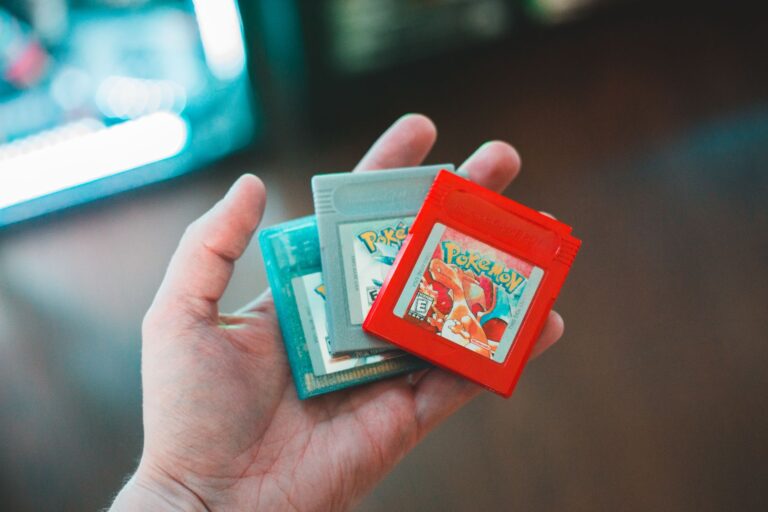
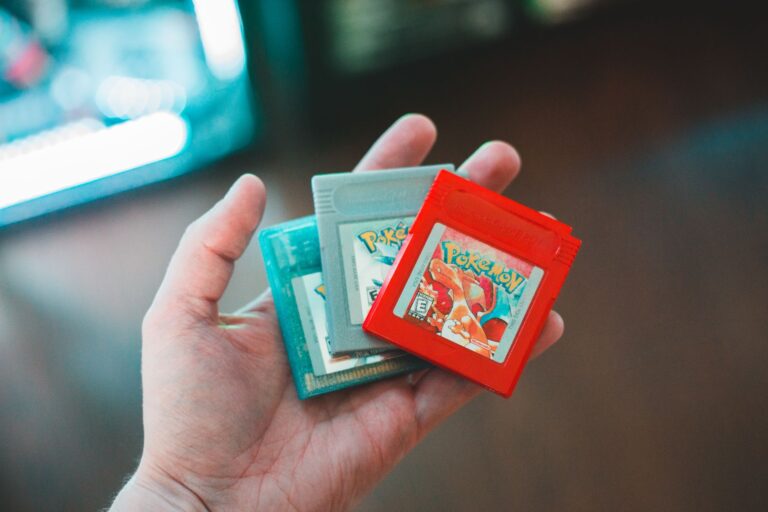
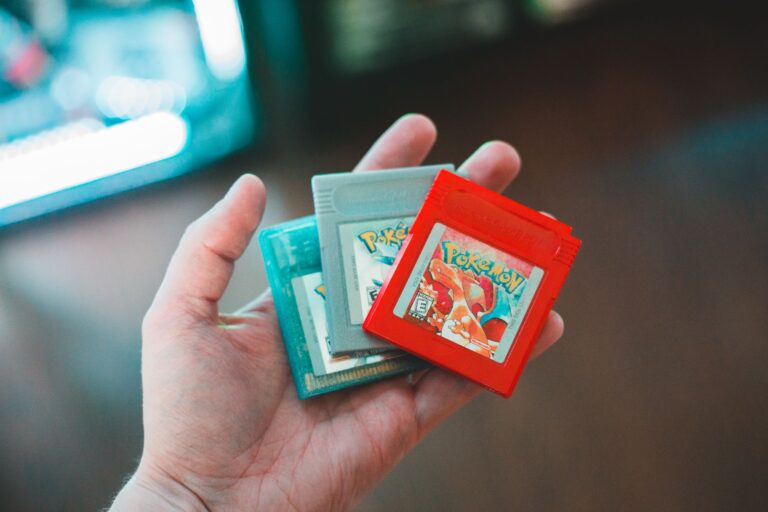
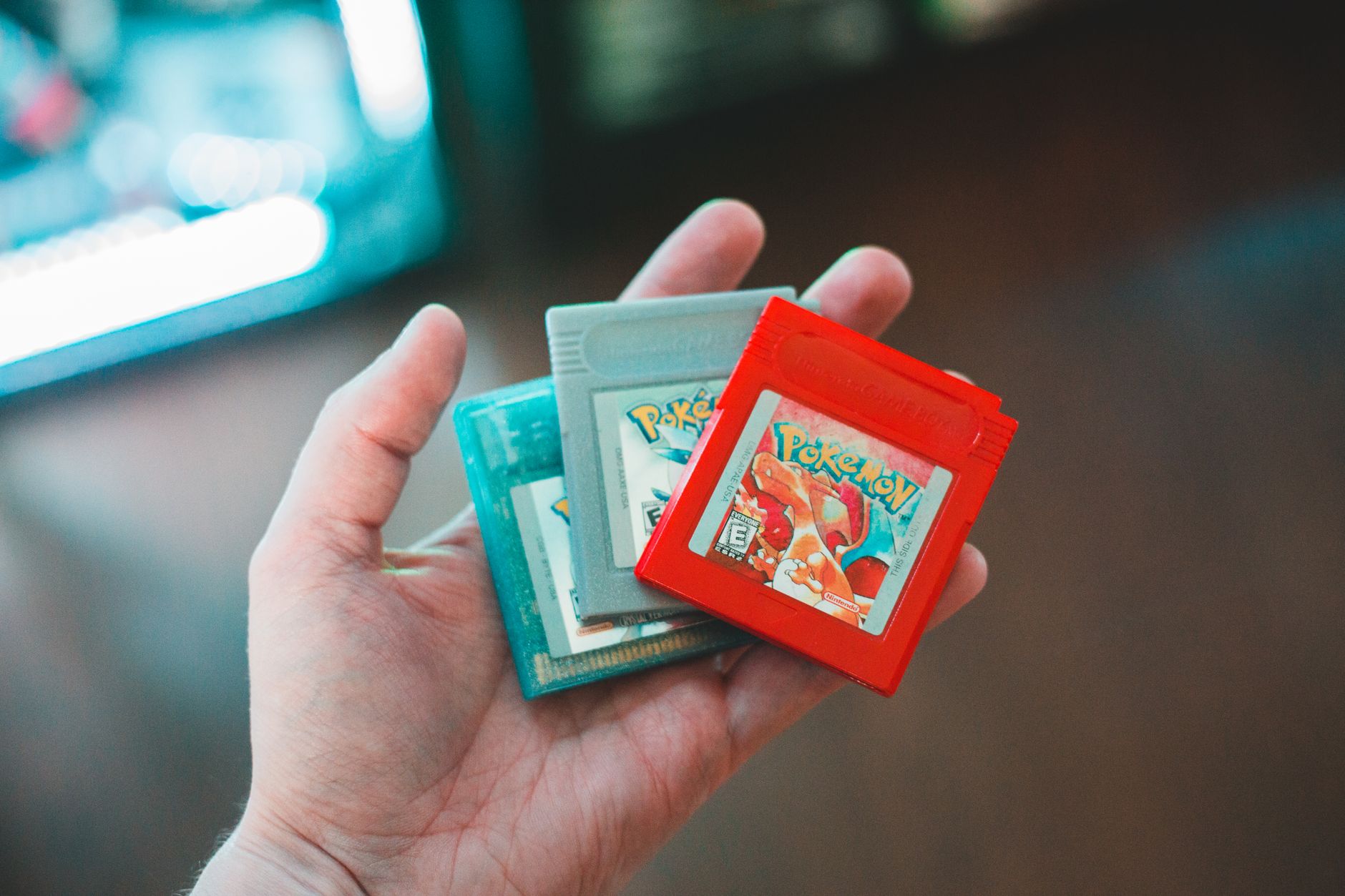
Every collector eventually encounters the quiet failure of aged electronics. Vintage cartridge media relying on internal lithium batteries for in-game saves–such as classic role-playing adventures on the Game Boy, NES, or Super Nintendo–inevitably reach the end of their operational lifespan. Replacing soldered tabbed cells requires proper soldering tools and basic bench skills, but preserving original boards from electrolyte leakage or worn edge connectors remains an ongoing maintenance commitment.
For those who prefer keeping their original hardware active without subjecting rare cartridges to physical wear, flash carts offer an indispensable solution. Dedicated options like the EverDrive line engineered by Krikzz–spanning models such as the EverDrive-N8, Super EverDrive, EverDrive-GB, and EverDrive 64–load game ROMs directly from a standard microSD card straight into original console circuitry. Beyond safeguarding fragile retail boards, these devices bridge vintage gameplay and modern utility by supporting clean in-game menus and instantaneous save states, letting you experience your library on authentic motherboards without risking delicate save batteries.
Optimizing the Visual Experience: CRT Monitors, 240p Output, and SCART RGB
True appreciation for retro graphics requires seeing how classic consoles were designed to transmit video. Consoles from the third, fourth, and fifth generations operate predominantly in a 240p progressive video mode, pushing roughly 320×240 lines to a display. Vintage cathode ray tube televisions handle this signal natively, resolving individual scanlines with phosphor glow and virtually zero display latency. While heavy and increasingly scarce, dedicated CRT displays remain the definitive baseline for judging original art direction and frame-perfect response.
Extracting the cleanest possible signal from consoles like the SNES, Sega Mega Drive, and original PlayStation requires stepping away from muddy composite cables. European standard 21-pin SCART connections route pure RGB channels straight out of the video encoder, producing razor-sharp pixel separation and rich color saturation. When running authentic hardware into modern flat-panel displays, pairing quality shielded RGB SCART cables with dedicated upscalers like the RetroTink ensures 240p progressive signals are sampled properly without deinterlacing blur, preserving authentic scanline presentation across any setup.
Where to Find Authentic Retro Games Without Paying Inflated Markups
Scoring original cartridges without paying retail storefront markups requires bypassing the speculative secondary platforms where reseller fees drive prices through the roof. Local flea markets, neighborhood yard sales, and independent thrift shops still yield authentic finds, but experienced collectors increasingly rely on regional collector exchanges, retro enthusiast Discord servers, and dedicated trading forums. In these spaces, transactions occur between dedicated hobbyists rather than speculative resellers aiming for arbitrary profit margins, keeping valuations anchored strictly to actual completed sales rather than aspirational buy-it-now listings.
Another overlooked avenue is sourcing Japanese imports for non-text-heavy titles across consoles like the Super Famicom, Sega Mega Drive, and original Game Boy. Japanese retro releases often survive in far superior physical condition with pristine boxes and manuals, and they typically sell for a fraction of the cost of their Western NTSC-U or PAL counterparts. Using reputable overseas forwarding services and established direct marketplace vendors allows you to assemble an enviable physical library of authentic titles without paying inflated domestic markups for identical silicon and ROM code.
Finally, embracing damaged or dirty lots remains the best way to leverage basic refurbishment skills into serious savings. Many listings labeled as untested or non-working suffer from nothing more serious than tarnished pin connectors or dead internal save batteries. Armed with isopropyl alcohol, brass polish, a standard soldering iron, and replacement tabbed lithium cells, you can restore neglected cartridges to mint functional condition, securing valuable games at clearance rates while actively contributing to hardware preservation.
Identifying Counterfeits, Verifying PCBs, and Inspecting Cartridge Shells
The proliferation of counterfeit cartridges has made physical authentication an essential skill for any serious collector. Spotting a fake begins on the outside: inspect the cartridge shell texture, plastic coloring, and label print clarity. Authentic vintage cartridges feature sharp, micro-embossed logos, correct factory stamp numbers pressed cleanly into the rear label, and authentic security Gamebit screws (3.8mm for NES, SNES, and N64; 4.5mm for consoles and Sega cartridges) or tri-wing screws on handhelds. Counterfeit shells often exhibit lightweight plastic, washed-out label artwork with incorrect gloss coatings, blurry typography, and flush or Phillips screws where security hardware belongs.
External examination is never definitive; opening the cartridge to inspect the printed circuit board (PCB) is mandatory before parting with serious money. Genuine boards manufactured by Nintendo, Sega, or Konami display crisp silkscreened manufacturer branding, legible production dates, and gold-plated edge connectors with beveled contact points. Bootleg boards invariably cut corners, relying on cheap green substrate, messy hand-soldered wiring, and unbranded flash memory chips or telltale black epoxy glob-tops (chip-on-board blobs) instead of proprietary surface-mount mask ROMs.
Beyond authenticity, circuit inspection confirms the health and electrical safety of your vintage cartridge. Counterfeit circuit boards frequently lack proper 5V to 3.3V voltage level-shifting components, drawing unsafe current from the console’s internal bus and risking permanent damage to original motherboards. Verifying genuine trace integrity, clean solder joints, and the absence of battery acid corrosion ensures your purchase not only holds its true collector value but runs safely across original hardware setups.
Frequently Asked Questions About Retro Game Collecting
What is the most practical way to play original retro games without buying expensive rare cartridges? Flash carts engineered by Krikzz, such as the EverDrive series (EverDrive-N8, Super EverDrive, EverDrive-GB, and EverDrive 64), allow you to load entire system ROM libraries directly from a microSD card into authentic console hardware. These devices interface directly with original motherboards, providing cycle-accurate performance, native 240p video output, zero input latency, and convenient save state support without exposing delicate, rare retail boards to wear and tear.
Why do retro games look blurry on modern 4K flat-screen televisions? Consoles from the third to fifth generations output a 240p progressive video signal designed for cathode ray tube (CRT) phosphor displays. Modern flat panels interpret 240p as 480i interlaced video, introducing significant deinterlacing blur, incorrect color conversion, and noticeable display latency. To achieve sharp pixel clarity and zero lag on modern displays, collectors run pure RGB SCART or component cables through dedicated hardware upscalers such as the RetroTink line, which cleanly line-doubles the signal and recreates authentic CRT scanlines.
How can I tell if a retro cartridge save battery needs replacement? Vintage cartridges that use battery-backed SRAM–predominant in RPGs across the NES, SNES, and Game Boy platforms–depend on internal 3V coin cells (typically CR1616, CR2025, or CR2032). If your in-game progress disappears after turning off the console or cycling power, the internal cell has dropped below its operational voltage threshold. Using a multimeter to measure voltage on the board reveals whether the battery retains at least 2.8V to 3V; readings below 2.5V require desoldering the dead cell and installing a fresh tabbed replacement.