
Understanding Retro Game Collecting in Today’s Secondary Market
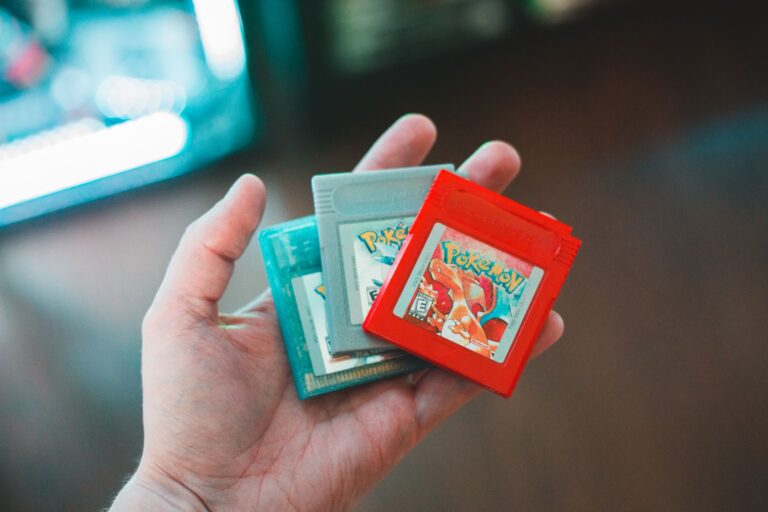
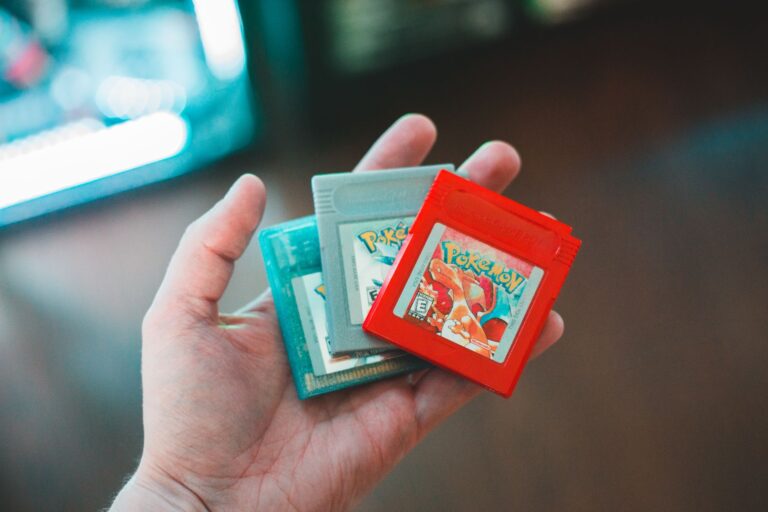
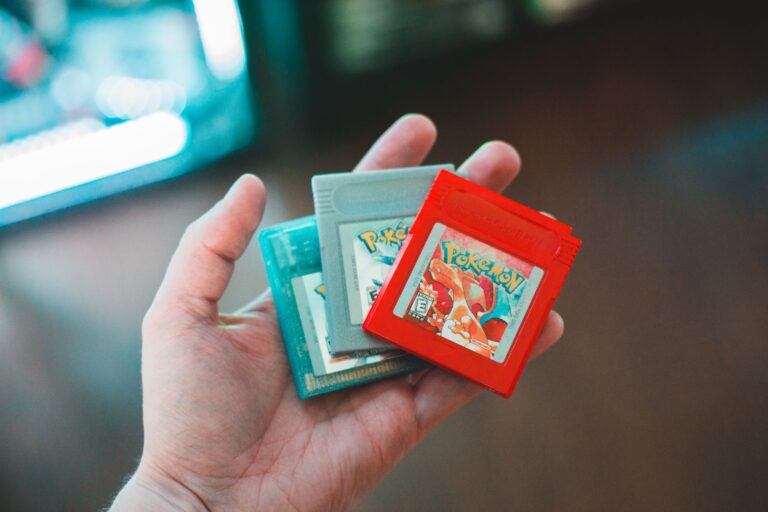
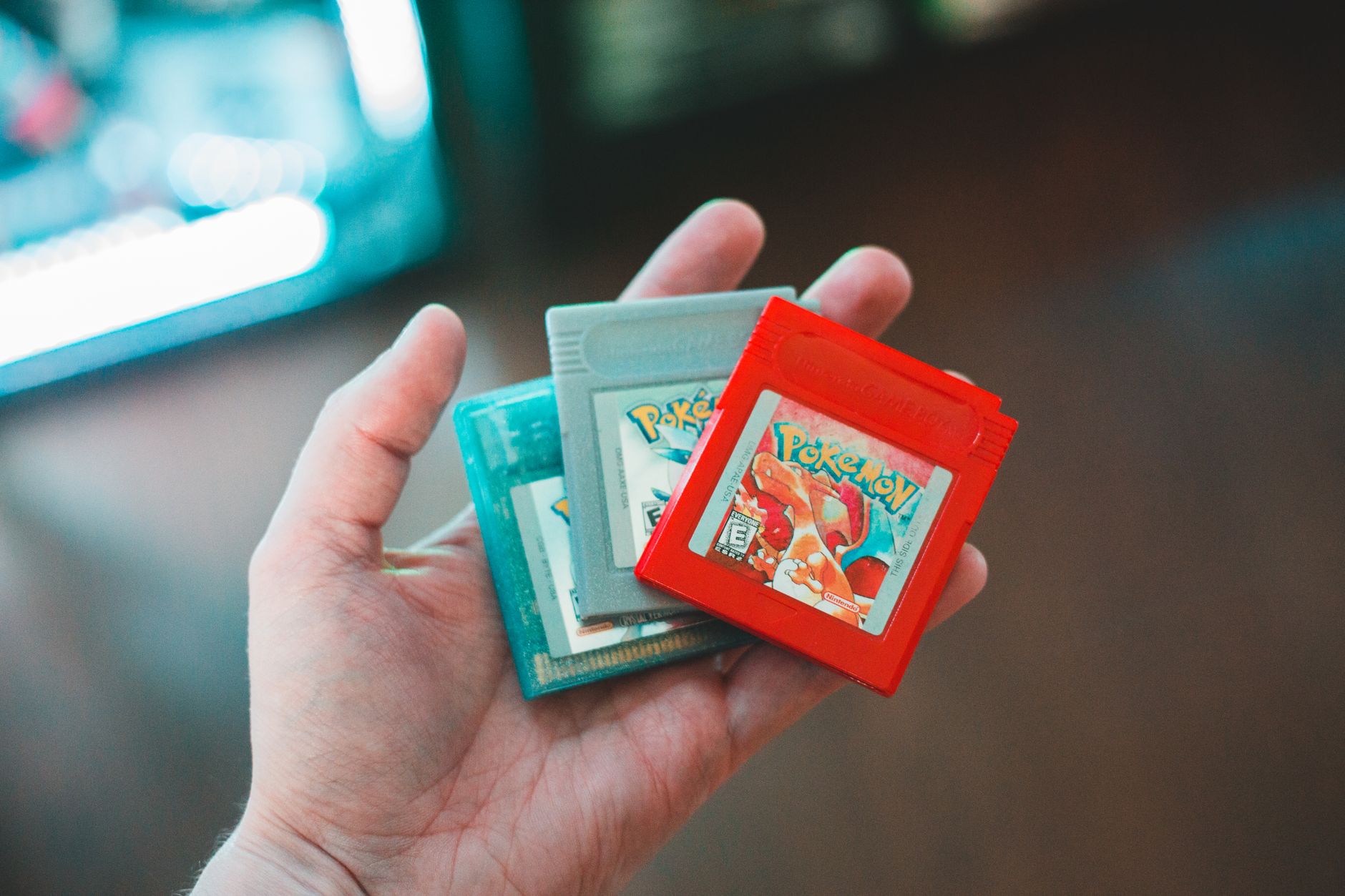
Navigating the secondary market for retro video games has become an exercise in patience and discernment. Decades ago, picking up loose cartridges for classic systems like the NES, SNES, or Sega Genesis was an affordable weekend hobby, but speculative pricing and aggressive hype have completely transformed the landscape. Today, genuine collectors must cut through inflated price tags to determine whether a physical release is truly worth owning. The emotional urge to hold original media often collides with astronomical reseller valuations, forcing players to reassess how they experience these historical titles.
At the center of this market reality is the quest for true authenticity. Purists know that original console hardware processing native 240p video through a classic Cathode Ray Tube monitor provides an unmatched experience with genuine scanlines and zero input lag. However, sourcing aging CRT sets and rare cartridges is no longer the only way to enjoy authentic gameplay. The secondary market now shares space with advanced hardware alternatives, from FPGA systems like the MiSTer and Analogue Pocket that recreate original circuitry with cycle-accurate precision, to flexible flash carts like the EverDrive line by Krikzz. Recognizing what drives market demand allows you to build a collection grounded in personal enjoyment rather than speculative bubbles.
Where to Buy Retro Games Without Paying Speculative Markups
Beating speculative markups requires stepping off the beaten path of high-profile online storefronts and inflated auction listings. Local thrift stores, community garage sales, and dedicated enthusiast swap meets remain the premier sourcing spots for honest deals. When browsing secondary listings, smart buyers frequently search for untested consoles or cosmetically flawed handhelds. A worn original Game Boy or Game Boy Color can often be acquired for very little money; by installing an aftermarket IPS kit with basic soldering, you get a sharp, vivid, backlit screen that rivals premium modern boutique hardware while saving a substantial amount of cash.
Smarter sourcing also involves assembling an efficient setup that bypasses the need to purchase every individual cartridge at collector rates. Pairing an original console with an RGB SCART cable feeding an upscaler like a RetroTink gives modern flat displays a pristine, scanline-accurate 240p image without buying heavily modded systems. Integrating a reliable flash cart such as an EverDrive or Super UFO lets you load your digital backups straight from a microSD card onto native hardware. By prioritizing hardware health, clean cabling, and flash storage, you can bypass predatory sellers entirely and focus your budget on the specific physical titles that carry genuine sentimental value.
Assessing Real Cartridge Values and Dodging Overpriced Hype
Determining the genuine value of a retro cartridge requires separating gameplay worth from manufactured rarity. Many popular titles command sky-high asking prices simply because resellers know nostalgic buyers will pay on impulse. Before opening your wallet for a scarce 16-bit or 32-bit cartridge, consider the practical realities of ownership. Aging internal save batteries degrade over time, whereas modern flash carts like the EverDrive SD, N8, or 64 preserve in-game saves reliably and occasionally provide convenient save state functionality on original hardware.
When a cartridge’s price reaches absurd levels, exploring open-source preservation routes puts market hype into perspective. Platforms like RetroArch run libretro cores across various devices with shaders and low-latency controls, while original consoles like the PS1 and Sega CD can be explored accurately when dumping your owned hardware BIOS firmware. Choosing cycle-accurate FPGA hardware or utilizing trusted flash carts removes the artificial pressure created by secondary market speculators. Authentic collecting is not about acquiring the most expensive shelf pieces; it is about respecting the games, mastering the hardware, and securing the best possible play experience at an honest price.
Getting Authentic Video Output: CRT Screens, 240p, and SCART Routing
Chasing authentic video from vintage consoles always brings you back to the physics of vintage displays. Most retro systems from the 8-bit era up through early 3D consoles output a distinct 240p progressive video signal that modern digital televisions simply do not recognize properly. Plugging an original Super Nintendo or Sega Genesis straight into a modern 4K panel via composite leads to muddy colors, misjudged deinterlacing artifacts, and sluggish input lag. A classic Cathode Ray Tube monitor remains the gold standard for purists because its beam traces those progressive scanlines natively across phosphors with genuine zero display lag, presenting pixel art exactly as original developers tuned it.
Achieving pristine signal clarity on any display requires moving away from noisy composite cables toward clean RGB output. European enthusiasts have long benefited from the 21-pin SCART standard, which routes uncompressed RGB signals directly from systems like the SNES, Mega Drive, and original PlayStation. When piped through shielded RGB SCART cabling, the color separation and edge sharpness leap forward instantly, eliminating color bleeding without altering original console hardware. Even if heavy glass CRT monitors are difficult to fit into your room, that identical SCART harness can feed a dedicated line-doubler or upscaler like the RetroTink, translating pure 240p into clean HDMI video with simulated scanlines for your modern display.
Flash Carts and EverDrive Alternatives: Balancing Shelves and Original Hardware
Sensible retro collecting is about respecting your entertainment time and your wallet rather than competing for shelf trophies. Sinking hundreds of dollars into a scarce 16-bit title often leaves you with an aging board whose internal save battery is already ticking down toward data loss. Flash carts provide an immediate, practical bridge that keeps original hardware in active rotation while shielding you from artificial price gouging. Devices like Krikzz’s EverDrive lineup–spanning the EverDrive N8, SD, GB, and 64–as well as accessible alternatives like the Super UFO allow you to load digital backups directly from a microSD card straight onto native console circuits.
By loading clean ROM files onto a flash cart, your console executes code identically to a retail release, preserving controller timing, sound processing, and screen sync. High-tier flash cartridges go a step further by providing intuitive in-game menus and instantaneous save states, letting you practice demanding sections or pause sessions without relying entirely on volatile designated in-game save points. Embracing flash carts frees your finances from secondary market speculation, letting you reserve hard-earned cash for the select few boxed titles that carry genuine sentimental value while enjoying complete console libraries on your terms.
Frequently Asked Questions About Retro Game Collecting on a Sensible Budget
Do I need an authentic CRT monitor to enjoy classic consoles properly? While a traditional Cathode Ray Tube monitor delivers native 240p resolution with zero input lag and genuine scanlines, it is certainly not mandatory for a great experience. High-quality upscalers like the RetroTink bridge the gap by taking clean RGB SCART or component signals and converting them into sharp, lag-free HDMI outputs that look exceptional on flat panels.
Are flash carts considered authentic retro gaming? Yes, because flash carts like the EverDrive run original game ROMs through the native console hardware itself, preserving true clock speeds, audio synthesis, and processor quirks. Unlike standalone software emulation boxes, flash carts maintain genuine controller feel and hardware communication while safeguarding you from overpaying for scarce loose cartridges with dying save batteries.
How do FPGA systems like the MiSTer compare to standard software emulators? Field-Programmable Gate Array hardware recreates console circuits at the silicon transistor level rather than running games through an operating system wrapper like RetroArch. This hardware simulation provides cycle-accurate performance and lower latency, though it requires a higher initial financial investment than dumping owned BIOS firmware into open-source software emulators.
Is installing an aftermarket IPS screen kit on a handheld worth the trouble? Upgrading an original Game Boy or Game Boy Color with an aftermarket IPS kit transforms a dim, reflective screen into a bright, color-accurate display with adjustable backlight brightness. The upgrade requires only basic soldering skills, salvages beaten-up cosmetic shells found cheaply at thrift shops, and saves significant cash compared to buying inflated boutique collector editions.