
Defining the Modern Retro Gaming Handheld Landscape
The contemporary portable retrogaming landscape is fundamentally split between two engineering philosophies: software emulation devices and hardware reproduction via Field-Programmable Gate Arrays. At the cutting edge of physical accuracy sit FPGA handhelds like the Analogue Pocket. Rather than utilizing software layers to approximate original code execution, an FPGA chip configures its internal logic gates to mirror the physical circuitry of classic consoles at the transistor level. This circuit-level approach yields cycle-accurate timing and negligible input latency, satisfying discerning purists who demand exact behavioral parity with historic systems despite the steeper hardware pricing.
Upgrading Classic Hardware: Game Boy Enhancements and IPS Kits
Preserving genuine hardware often begins with replacing obsolete display tech on handhelds like the original Game Boy and Game Boy Color. An aftermarket IPS kit completely revitalizes these devices by swapping out the dim, unlit reflective panels of the late twentieth century for vibrant, high-density IPS screens. These modern kits deliver razor-sharp image reproduction, rich color depth, and multi-tier adjustable backlight brightness, bringing legendary monochromatic and early color titles up to modern visibility standards without abandoning original system ergonomics.
Installing an IPS kit typically demands modest soldering skills to wire brightness controls and menu triggers, though several modern revisions offer drop-in installation requiring minimal shell alteration. Modders should remain conscious of increased power draw on original battery circuits, but the trade-off remains overwhelmingly positive. Retaining the genuine motherboard ensures authentic processing quirks, native audio synthesis, and the tactile feel of factory membrane buttons, achieving a playing experience that software emulation struggles to match.
Flash Carts and EverDrive: Running ROMs on Original Motherboards
A flash cart remains the definitive bridge between modern storage convenience and vintage authenticity, allowing players to load backed-up ROM files directly onto original console motherboards. The premier line in this ecosystem is the EverDrive family developed by Krikzz, offering dedicated variants like the EverDrive GB for handheld platforms. By hosting ROM files on an everyday microSD card, the flash cart interface presents clean on-screen navigation menus and commands the handheld’s processor natively, completely bypassing the software emulation layer.
Beyond sheer library accessibility, advanced flash cartridges introduce conveniences such as real-time save states and robust battery-free memory management. While standard cartridges rely on designated in-game save points and aging internal batteries prone to failure, an EverDrive reliably transfers save data directly to the memory card. This architecture spares rare original cartridges from routine wear, protects delicate motherboard pin connectors, and guarantees the exact latency and responsive performance originally intended by retro game developers.
FPGA Portable Architecture: Cycle-Accurate Fidelity on the Move
When evaluating portable retrogaming hardware, Field-Programmable Gate Array devices represent the definitive gold standard for accuracy. Instead of relying on operating system layers or software interpreters that translate legacy instructions on the fly, an FPGA chip physically configures its internal logic gates to match the microarchitecture of original console processors. Devices like the Analogue Pocket exemplify this engineering breakthrough, offering cycle-accurate execution and virtually nonexistent input latency. While the financial investment for an FPGA handheld is undeniably steeper than budget software units, purists gain an uncompromising playing experience that mirrors genuine silicon behavior down to individual clock cycles.
Running original hardware logic on the go also bridges historical cartridge collections with modern display engineering. FPGA handhelds read legacy game cartridges directly through built-in physical slots, routing pure digital signals to custom high-density displays without the jitter or dropped frames common to cheaper emulation handhelds. Enthusiasts seeking reference-level hardware preservation often look toward both portable units and desktop counterparts like the MiSTer project. For players who value precise frame timing, authentic audio synthesis, and the tactile reality of physical media, portable FPGA architecture remains the purest expression of retro authenticity currently available.
Software Emulation Handhelds: Configuring RetroArch, Cores, and BIOS Files
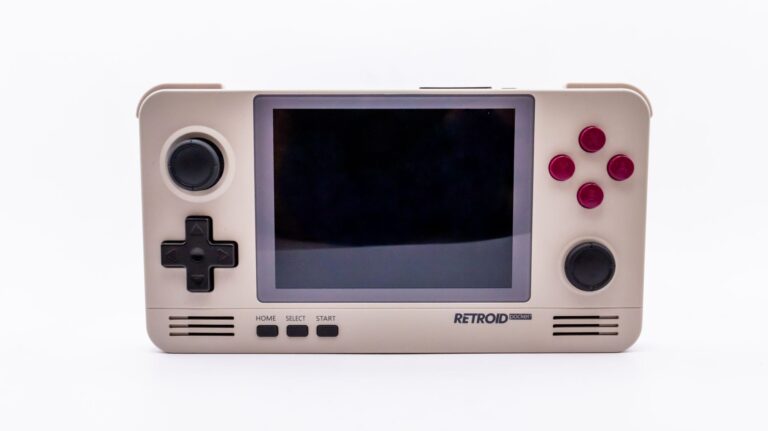
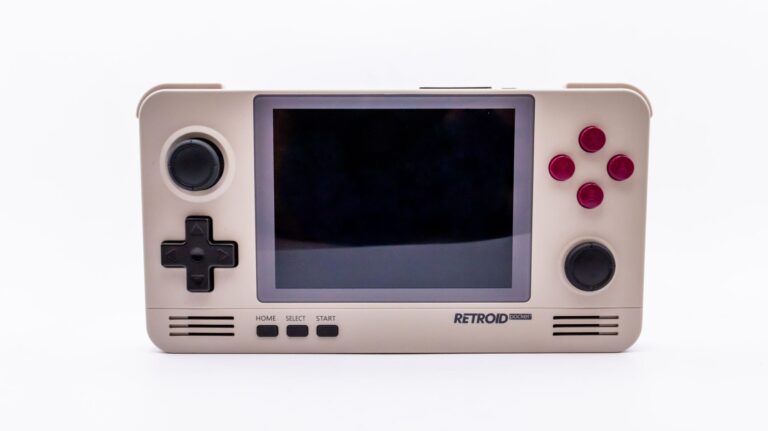
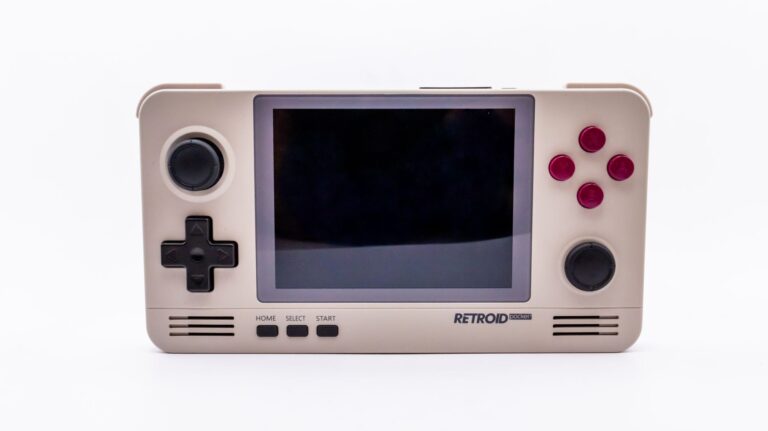
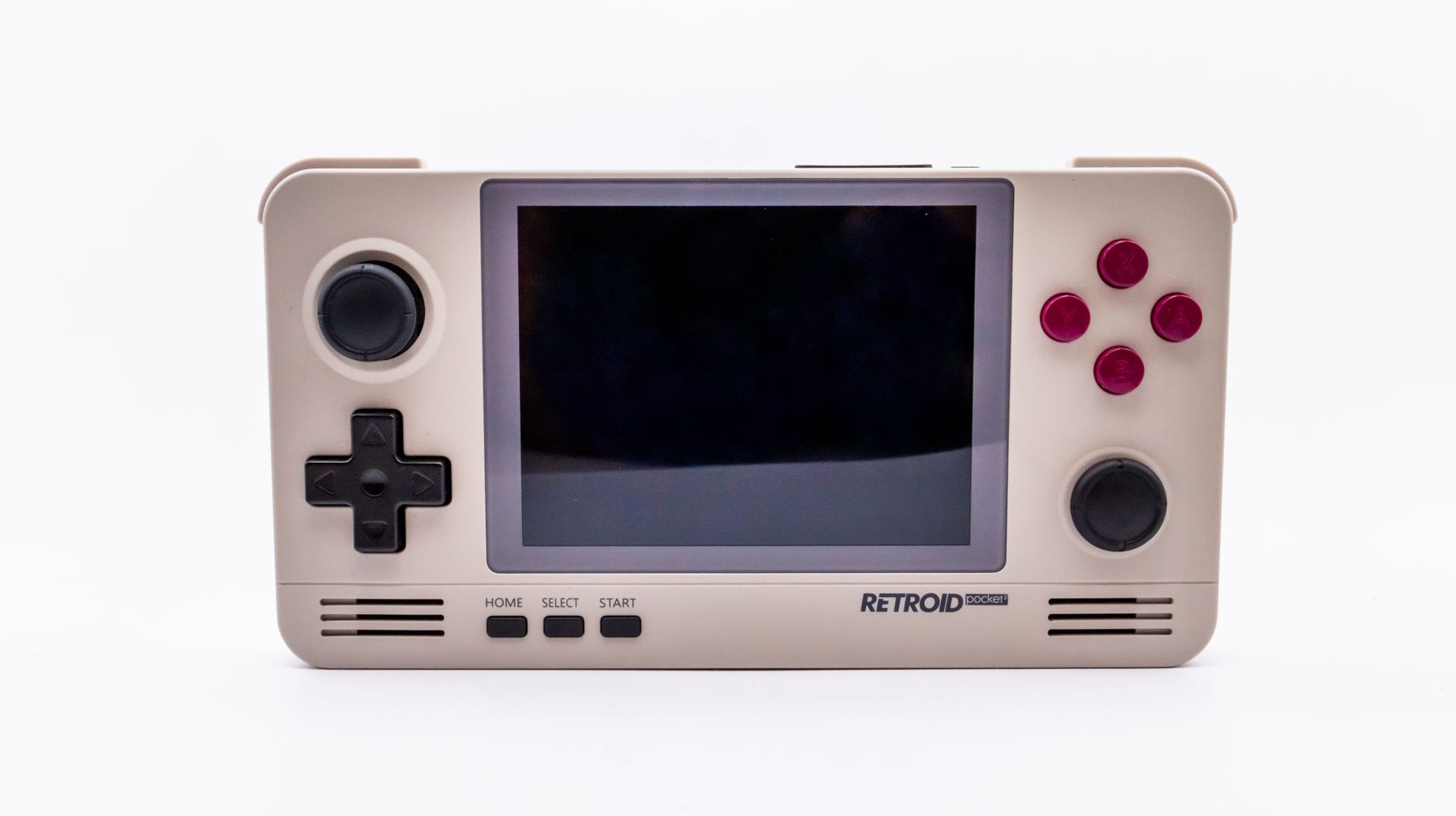
Modern emulation handhelds deliver extraordinary versatility, granting access to decades of gaming history on a single portable device. At the heart of most dedicated handheld configurations sits RetroArch, an open-source front end designed to coordinate multiple modular libretro emulation cores within an integrated dashboard. Selecting the appropriate core for each target console is vital, as different cores prioritize strict computational accuracy over raw performance. A handheld configured with optimized cores ensures smooth frame pacing, uniform controller mappings, and the ability to apply custom display shaders that recreate the authentic visual texture of classic panels.
Operating system setup on portable handhelds requires meticulous organization of system firmware, universally recognized as console BIOS files. While traditional 8-bit and 16-bit platforms typically boot games without external firmware, advanced systems such as the Sony PlayStation, PlayStation Portable, and Sega CD mandate authentic BIOS dumps placed directly within the designated system directory. Because BIOS files contain proprietary manufacturer code, responsible retro gamers dump these images straight from their personal hardware libraries. Neglecting to supply matching, correctly named BIOS files frequently triggers boot crashes, audio sync glitches, or missing startup splash sequences, making proper firmware configuration the foundational step of any portable emulation build.
Key Emulation Features: Managing Save States and Low-Latency Play
Configuring a handheld emulator unlocks convenience features that completely reshape how vintage adventures are played. Foremost among these is the save state, an instantaneous snapshot capturing system memory, processor registers, and audio registers at any designated second. Unlike rigid in-game save batteries that require dedicated checkpoints or save rooms, save states empower players to suspend difficult arcade challenges or lengthy RPG sessions instantly during a daily commute. Managing multiple save slots provides an indispensable safety net, though disciplined players often balance state usage with authentic in-game saves to maintain the original tension intended by classic game developers.
Beyond simple save management, modern portable software suites address the historic drawback of digital emulation: perceptible input delay. By fine-tuning emulator run-ahead settings and automatic frame polling, dedicated handheld systems reduce controller latency down to levels that rival real motherboards. Pairing low-latency frame processing with customizable scanline shaders gives contemporary IPS screens the responsiveness and visual character traditionally exclusive to analog CRT monitors. Mastering these granular controls transforms an ordinary emulation handheld into a finely tuned gaming machine, delivering modern accessibility while honoring the sharp reflexes demanded by retro classics.
Frequently Asked Questions About Handheld Retro Gaming
Prospective buyers frequently ask whether they should invest in an FPGA handheld or choose an open-source software emulation device. The core difference lies in how legacy code runs: Field-Programmable Gate Array hardware recreates original console circuitry at the transistor level, delivering cycle-accurate frame timing, authentic audio synthesis, and negligible input latency directly from physical cartridges or ROMs. Software emulation handhelds running RetroArch and libretro cores trade that absolute hardware fidelity for versatility, lower price points, and broad compatibility across dozens of platforms from 8-bit handhelds to 32-bit disc consoles. If you demand reference-level timing for competitive action games, FPGA devices like the Analogue Pocket justify their premium cost, whereas general hobbyists often appreciate the value and expansive library reach of dedicated software portables.
Another routine dilemma centers on whether to upgrade vintage hardware like a Game Boy with an IPS kit or transition entirely to a flash cart setup. Installing a modern backlit IPS panel revitalizes unlit reflective screens with adjustable brightness and rich color saturation, though the extra current draw demands reliable rechargeable cells and basic soldering skill for menu controls. Pairing that modded original motherboard with an EverDrive flash cart from Krikzz creates the definitive authentic setup: you preserve factory tactile membrane switches and native hardware quirks while loading your backup collection from a single microSD card. This configuration eliminates wear on delicate cartridge connectors and internal save batteries without sacrificing original system responsiveness.
Finally, newcomers often wonder why certain systems refuse to boot on portable emulators without proprietary firmware files. While simpler 8-bit and 16-bit consoles run immediately through emulator software, advanced systems including the Sony PlayStation, PlayStation Portable, and Sega CD strictly mandate authentic BIOS dumps placed in the system directory to initialize memory mappings and boot routines correctly. Enthusiasts must dump these firmware files directly from their personal hardware libraries to ensure legitimate operation, stable audio synchronization, and flawless save state handling. Setting up verified BIOS images and tuning core run-ahead features resolves almost all performance hurdles, ensuring your portable setup delivers responsive, low-latency retrogaming wherever you travel.