
Understanding the Current State of Retro Game Collecting
Retro game collecting has shifted dramatically over the past two decades from a niche hobby rooted in flea market bargains to a highly competitive, global marketplace. The days of stumbling upon rare gems for pocket change are largely behind us, as speculative valuation, grading services, and online visibility have standardized price floors across nearly every generation. For collectors and enthusiasts who prioritize the joy of playing over speculative hoarding, navigating this landscape requires a clear understanding of actual market value versus inflated listing prices. Success now hinges on knowing which hardware and software configurations deliver genuine preservation and enjoyment rather than chasing artificial scarcity.
At the center of today’s scene is a distinct divide between pure shelf collectors and practical players who want the authentic retro experience without financial strain. Many classic titles originally broadcast in 240p progressive scanline resolutions were engineered specifically for cathode ray tube displays. When connected to a standard CRT monitor or routed through dedicated upscalers like the RetroTink to modern screens, these vintage platforms provide zero-latency responsiveness and tactile feedback that modern software emulation can struggle to match. Recognizing the technical strengths and maintenance needs of each platform enables collectors to curate a tailored, cost-effective setup that values playable history over boxed display pieces.
Why Retro Game Prices Exploded and What is Actually Worth Buying
The sudden surge in vintage video game valuations stems from a combination of generational nostalgia, shrinking physical supply, and outside speculative investment targeting sealed and high-grade copies. As original hardware ages, functioning optical drives fail, cartridge save batteries dry up, and original unlit handheld screens become difficult to view in modern environments. This natural wear has driven up the cost of clean, working items while creating a secondary market for well-maintained hardware. Discerning buyers must separate overpriced hype pieces from items that offer lasting gameplay value and historical significance on their original silicon.
Investing in hardware upgrades and selective software acquisitions yields far more satisfaction than spending exorbitant sums on common games with inflated price tags. Modifying handhelds with modern IPS kit screen replacements transforms unlit Game Boy and Game Boy Color systems into vibrant, comfortable daily drivers while preserving the core chassis and controls. When buying physical games, prioritize undisputed classics, unique hardware-dependent peripherals, and titles that carry personal significance. For large, unobtainable software libraries, relying on smart preservation methods protects your wallet while keeping the authentic hardware experience intact.
Original Hardware vs. Flash Carts and FPGA Solutions
Deciding between original vintage hardware, dedicated flash carts, and modern FPGA solutions is the most critical choice for any modern retrogamer. Flash carts such as the EverDrive lineup by Krikzz allow players to load digital ROM files directly onto original consoles like the NES, Super Nintendo, Genesis, and Nintendo 64 via microSD cards. This setup delivers the authentic tactile controller response, native video signals like RGB SCART, and original sound output while adding convenient features like save state creation and in-game menus. It completely bypasses the exorbitant secondary game market without compromising the physical console workflow.
Field-Programmable Gate Array technology represents the pinnacle of modern hardware preservation, offering a powerful alternative to both aging OEM motherboards and software emulators like RetroArch. Devices like the Analogue Pocket and the MiSTer platform utilize FPGA chips to recreate classic console architectures directly at the silicon circuit level, achieving cycle-accurate performance and near-zero latency. While software front ends offer versatile platform coverage across multiple operating systems, pairing authentic hardware with an EverDrive or investing in an FPGA setup delivers the ultimate combination of fidelity, durability, and fair value.
Where to Buy Retro Games Safely Without Paying Speculator Prices
Scoring authentic retro titles at realistic valuations requires bypassing the inflated buy-it-now listings on mainstream auction platforms. Most high-profile online storefronts cater directly to speculative investors who anchor prices around graded display copies rather than functioning, playable media. To find fair deals, focus on local classified networks, enthusiast swap meets, dedicated community trading boards, and independent retro gaming shops. When evaluating online marketplace prices, always filter by completed and sold listings rather than asking prices to get a realistic gauge of true market demand.
Another proven acquisition strategy is purchasing console bundles and mixed software lots directly from original owners. Untested or dirty bundles often scare off casual buyers, driving down the entry price significantly. By investing a modest amount of time into basic contact cleaning, testing, and replacing dead save batteries, you can curate the titles you actually want to play while reselling or trading the duplicate hardware and software to fund future acquisitions. This grassroots approach keeps your out-of-pocket costs remarkably low while building solid connections across the local collecting scene.
Condition, Completeness, and How to Spot Fake Cartridges
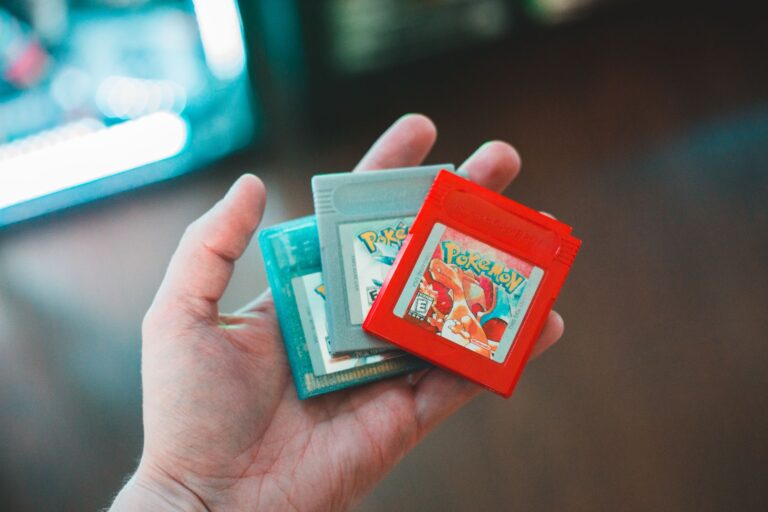
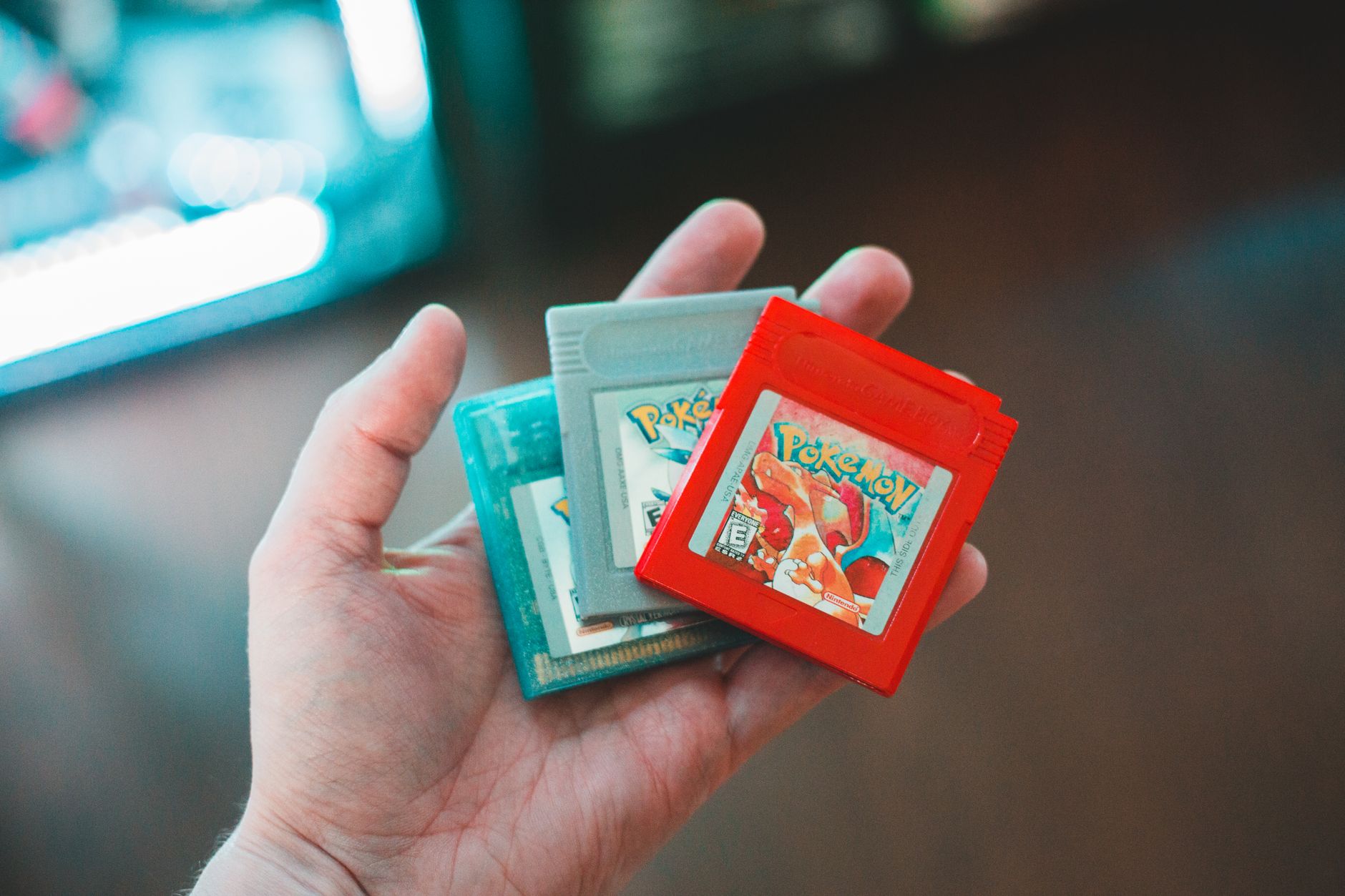
As vintage software valuations have climbed, bootleg and reproduction cartridges have flooded secondary marketplaces across popular systems like the Game Boy, Super Nintendo, and Nintendo 64. Spotting counterfeit copies starts with a rigorous inspection of external housing details. Counterfeits frequently exhibit poor label print alignment, washed-out color saturation, incorrect fonts on safety warnings, flimsy plastic shells, and missing factory production stamps pressed into the back labels. However, because external shells can be swapped or modern reproduction labels can be convincingly applied, visual surface inspections alone are never enough to confirm authenticity.
Opening the cartridge casing with a proper Gamebit security screwdriver is the single most reliable method to verify genuine hardware. Legitimate vintage cartridges feature official manufacturer markings, clean factory soldering, and dedicated mask ROM chips stamped with authentic regional product codes. In contrast, bootleg boards typically rely on modern surface-mount flash memory, epoxy blob chips, poor-quality traces, and crude wiring that can strain vintage motherboard pin connectors. Taking five minutes to inspect the printed circuit board ensures you are paying for genuine historical silicon rather than a cheap modern clone.
Displaying and Preserving Your Collection for the Long Haul
Proper preservation is essential for keeping classic games, boxes, and original hardware playable for decades to come. Sunlight and fluctuating humidity are the two greatest threats to physical collections. Direct exposure to ultraviolet rays quickly bleaches vivid box art and yellows original ABS console plastics, while excess moisture warps cardboard packaging and corrodes sensitive cartridge contacts. Keep your collection in a climate-controlled room away from direct window exposure, and enclose fragile cardboard boxes and manuals inside high-clarity, acid-free PET plastic protective cases.
Hardware preservation requires proactive internal maintenance alongside exterior protection. Vintage cartridge save batteries inevitably deplete, risking data loss or, in worse cases, localized chemical leakage that can damage PCB traces. Regularly inspect and safely replace aging CR2016, CR2025, or CR2032 cells with quality tabbed replacements to safeguard your game saves. Powering on original consoles periodically also prevents power supply capacitors from drying out or degrading, ensuring your classic setup remains completely reliable whenever you decide to sit down for a gaming session.
Frequently Asked Questions About Retro Game Collecting
What is the most practical way to experience retro titles on original hardware without spending a fortune? Pairing authentic console hardware with a proven flash cart like the EverDrive remains the smartest route for everyday players. Flash carts load ROM files directly from microSD cards, preserving native video outputs such as 240p RGB SCART without forcing you into inflated secondary markets. They bypass high-priced cartridges while giving you modern conveniences like save states and quick menu navigation on authentic silicon.
Should you hunt down a CRT monitor or buy a dedicated upscaler for modern displays? While original cathode ray tube displays offer zero input lag and native scanline rendering, they are bulky and require regular maintenance. Modern hardware upscalers like the RetroTink solve this by properly processing 240p progressive signals for modern displays with virtually no lag. If you lack the physical space or technical desire to maintain an aging CRT, a dedicated upscaler paired with authentic hardware or FPGA systems like the Analogue Pocket is the ideal compromise.
How do you ensure a vintage cartridge is authentic before completing a purchase? Visual inspections of exterior labels, gloss levels, and case plastic are helpful starting points, but they are never definitive. The only reliable method to confirm authenticity is opening the cartridge casing with a proper Gamebit security tool. Authentic cartridges feature official manufacturer markings, clean factory soldering, and original mask ROM chips rather than cheap modern flash chips or messy wiring found inside bootleg reproductions.
Final Takeaway: Building a Collection You Actually Play
A rewarding retro collection is measured by the hours you spend playing it, not by the speculative dollar value sitting locked behind acrylic display cases. The secondary market will always have cycles of hype, graded sealed games, and inflated asking prices driven by investors who never plan to press power. Shifting your focus away from artificial scarcity allows you to concentrate on what actually matters: authentic controller response, genuine hardware audio, and the timeless fun of classic game design.
Building a sustainable setup means striking the right balance between hardware preservation and smart technology. Focus your budget on maintaining reliable hardware, whether that means installing an IPS kit replacement screen into an unlit Game Boy, refreshing depleted cartridge batteries, or investing in versatile FPGA solutions and flash carts. When your priorities center on playable reliability, smart acquisition habits, and honest hardware maintenance, you create a personalized setup that delivers genuine enjoyment every single time you sit down to play.